• PREPAREDNESS TEST
    1. Has your family rehearsed fire escape routes from your home? YES - NO
    2. Does your family know what to do before, during, and after an earthquake or YES - NO
    other emergency situation?
    3. Do you have heavy objects hanging over beds that can fall during an earthquake? YES - NO
    4. Do you have access to an operational flashlight in every occupied bedroom?
    (use of candles is not recommended unless you are sure there is no leaking gas) YES - NO
    5. Do you keep shoes near your bed to protect your feet against broken glass? YES - NO
    6. If a water line was ruptured during an earthquake, do you know how to shut off the
    main water line to your house? YES - NO
    7. Can this water valve be turned off by hand without the use of a tool?
    Do you have a tool if one is needed? YES - NO
    8. Do you know where the main gas shut-off valve to your house is located? YES - NO
    9. If you smell gas, do you know how and would you be able to shut off this valve? YES - NO
    10. Gas valves usually cannot be turned off by hand. Is there a tool near your valve? YES - NO
    11. Would you be able to safely restart your furnace when gas is safely available? YES - NO
    12. Do you have working smoke alarms in the proper places to warn you of fi re? YES - NO
    13. In case of a minor fi re, do you have a fi re extinguisher that you know how to use? YES - NO
    14. Do you have duplicate keys and copies of important insurance and other papers
    stored outside your home? YES - No
    15. Do you have a functional emergency radio to receive emergency information? YES - NO
    16. If your family had to evacuate your home, have you identified a meeting place? YES - NO

    IF AN EMERGENCY LASTED FOR THREE DAYS ( 72 HOURS) BEFORE HELP WAS AVAILABLE
    TO YOU AND YOUR FAMILY......................................

    17. Would you have sufficient food? YES - NO
    18. Would you have the means to cook food without gas and electricity? YES - NO
    19. Would you have sufficient water for drinking, cooking, and sanitary needs? YES - NO
    20. Do you have access to a 72 hour evacuation kit? YES - NO
    21. Would you be able to carry or transport these kits? YES - NO
    22. Have you established an out-of-state contact? YES - NO
    23. Do you have a first aid kit in your home and in each car? YES - NO
    24. Do you have work gloves and some tools for minor rescue and clean up? YES - NO
    25. Do you have emergency cash on hand? (During emergencies banks and ATMs are closed) YES - NO
    26. Without electricity and gas do you have a way to heat at least part of your house? YES - NO
    27. If you need medications, do you have a month’s supply on hand? YES - NO
    28. Do you have a plan for toilet facilities if there is an extended water shortage? YES - NO
    29. Do you have a supply of food, clothing, and fuel where appropriate:
    For 6 months? For a year? YES - NO
    These are all questions that need answers if you are to be safe in an emergency.
    If you answered ‘No’ to any of them, its now time to work on getting those items done.
    PREPAREDNESS TEST 1. Has your family rehearsed fire escape routes from your home? YES - NO 2. Does your family know what to do before, during, and after an earthquake or YES - NO other emergency situation? 3. Do you have heavy objects hanging over beds that can fall during an earthquake? YES - NO 4. Do you have access to an operational flashlight in every occupied bedroom? (use of candles is not recommended unless you are sure there is no leaking gas) YES - NO 5. Do you keep shoes near your bed to protect your feet against broken glass? YES - NO 6. If a water line was ruptured during an earthquake, do you know how to shut off the main water line to your house? YES - NO 7. Can this water valve be turned off by hand without the use of a tool? Do you have a tool if one is needed? YES - NO 8. Do you know where the main gas shut-off valve to your house is located? YES - NO 9. If you smell gas, do you know how and would you be able to shut off this valve? YES - NO 10. Gas valves usually cannot be turned off by hand. Is there a tool near your valve? YES - NO 11. Would you be able to safely restart your furnace when gas is safely available? YES - NO 12. Do you have working smoke alarms in the proper places to warn you of fi re? YES - NO 13. In case of a minor fi re, do you have a fi re extinguisher that you know how to use? YES - NO 14. Do you have duplicate keys and copies of important insurance and other papers stored outside your home? YES - No 15. Do you have a functional emergency radio to receive emergency information? YES - NO 16. If your family had to evacuate your home, have you identified a meeting place? YES - NO IF AN EMERGENCY LASTED FOR THREE DAYS ( 72 HOURS) BEFORE HELP WAS AVAILABLE TO YOU AND YOUR FAMILY...................................... 17. Would you have sufficient food? YES - NO 18. Would you have the means to cook food without gas and electricity? YES - NO 19. Would you have sufficient water for drinking, cooking, and sanitary needs? YES - NO 20. Do you have access to a 72 hour evacuation kit? YES - NO 21. Would you be able to carry or transport these kits? YES - NO 22. Have you established an out-of-state contact? YES - NO 23. Do you have a first aid kit in your home and in each car? YES - NO 24. Do you have work gloves and some tools for minor rescue and clean up? YES - NO 25. Do you have emergency cash on hand? (During emergencies banks and ATMs are closed) YES - NO 26. Without electricity and gas do you have a way to heat at least part of your house? YES - NO 27. If you need medications, do you have a month’s supply on hand? YES - NO 28. Do you have a plan for toilet facilities if there is an extended water shortage? YES - NO 29. Do you have a supply of food, clothing, and fuel where appropriate: For 6 months? For a year? YES - NO These are all questions that need answers if you are to be safe in an emergency. If you answered ‘No’ to any of them, its now time to work on getting those items done.
    Like
    1
    0 Σχόλια 0 Μοιράστηκε 1065 Views
  • Drones Will Be Used Against You After The Collapse, Here's How To Fight Back!.
    -----------
    When society collapses, whether through war, economic destruction, civil unrest, or some other large-scale disaster, most people imagine chaos in the streets, empty grocery stores, and people fighting over basic resources. But there’s another threat you need to be prepared for. One that flies silently overhead and could strike you before you even know you’re being watched. I’m talking about drones.
    As someone who’s been researching prepping, reading articles, studying books, and creating survival content, I see a lot of talk about the same cookie-cutter topics. Water filtration, food storage, home invasions, and civil unrest. But I rarely see anyone talking about drones, or even asking me about them, and that’s a mistake. Drones are already a massive part of our world. They are used by hobbyists, by militaries, by law enforcement, and even by cartels. After a collapse, I truly believe drones will become a major concern, and not many people are thinking about it now, but they should be.
    To see for myself how accessible this tech is, I even ordered a couple drones off of AliExpress. They were cheap, around thirty dollars each. And they worked. I also saw higher-end models being sold with full HD cameras, 50 times zoom, and flight times of twenty-two to thirty minutes, all for under two hundred dollars. You can get much better ones from companies like DJI. This kind of technology is available to anyone. After the collapse, criminals will absolutely use it the wrong way. Let’s break it down.
    How Criminals Will Use Drones After the Collapse
    If the power grid fails, the economy crashes, or civil war breaks out, drones will quickly become a critical tool for attackers. They are cheap, quiet, and extremely effective. And they will be used to scout, surveil, and attack.
    The first and most obvious use will be reconnaissance. Criminals or roaming gangs will launch drones to fly over neighborhoods, countryside roads, and forested areas to look for signs of human activity. They will be scanning for solar panels on rooftops, vegetable gardens in your backyard, rainwater catchment barrels, smoke coming from chimneys, or even livestock.
    If you’ve bugged out to a remote camp, don’t think you’re automatically safe. Drones can cover miles of wilderness and pick up trails, tracks, or even heat signatures from above. That camo tarp you set up may look hidden from the ground, but from the air, it might stand out like a billboard.
    Some drones will have thermal imaging, which means they do not need daylight to find you. They can detect your body heat, the warmth of a running generator, or even a campfire. If you're cooking outside, they’ll see the heat plume. If you're walking in the dark, they’ll see your body glowing in infrared. Unless you actively work to hide that heat, you’re vulnerable. And they won’t just use these drones to watch. Some will use them to strike.
    Drones Will Be Weaponized
    In war zones like Ukraine, we’re already seeing what’s possible. Commercial drones are being modified to drop improvised explosives on enemy positions. You can find footage of drones dropping grenades through sunroofs or into trenches. The same thing can happen to you.
    Post-collapse, criminals will use drones to drop pipe bombs, Molotov cocktails, smoke bombs, or homemade incendiaries onto homes, vehicles, or camps. A single road flare dropped into dry brush could start a wildfire. A smoke bomb tossed into your backyard could confuse you long enough for them to rush your property. Some may drop rocks or debris through skylights to distract you before a ground attack. This is asymmetric warfare adapted for the collapse.
    If you’ve made enemies, or if you’re guarding something valuable, drones will be part of their toolkit. They will scout, test your defenses, and possibly attack from above.
    Do Not Advertise What You Have
    One of the biggest mistakes people make in a collapse is showing what they have. If you own something that desperate people might want, keep it covered or bring it inside when it's not in use. That includes your generator, solar panels, rain barrels, even buckets and gardening tools. A drone flying overhead for two minutes can take a dozen high-resolution photos of your property. They’ll know what you have, what time you’re active, and whether you’re worth robbing.
    You don’t need to live in fear, but you do need to live smart. If you’ve got gear, hide it. If you’re growing food, put it behind fencing or netting that breaks up the visual pattern from above. If your generator is running, place it in a shed or behind a sandbag wall. Muffle the noise and block the heat. Noise attracts people. Heat attracts drones. You cannot afford to make yourself a target.
    How to Defend Yourself from Drones
    You are not helpless. You can fight back. Start by limiting your visibility and heat signature. If you’re moving during the day in open areas, you’re easy to spot. Travel at night. Stay close to trees and shaded terrain. Forest canopies interfere with a drone’s line of sight and break up your outline.
    To protect yourself from thermal drones, use mylar emergency blankets. These shiny blankets reflect heat and can distort your infrared signature. Wrap your shelter. Line the inside of your tarp. Cover stored gear. They won’t make you invisible, but they may throw off the drone’s thermal sensor just enough to protect you.
    Now let’s talk about how to bring them down.
    Shotguns. In Ukraine, soldiers and mercenaries have confirmed that 12-gauge shotguns with birdshot are highly effective against drones. One operator said he uses a Mossberg 500 and has downed multiple drones with ease. Birdshot gives you a wide spread, so you don’t need perfect aim. Just the right timing and angle.
    Slingshots. If you want a quieter option, a high-powered slingshot is a great tool. Loaded with steel balls, marbles, or rocks, it can take down drones silently and without giving away your location. Slingshots are legal in most places and don’t require ammo you can’t find or make. They are light, reusable, and surprisingly powerful.
    Anti-drone guns. These are more advanced tools that jam a drone’s signal using radio frequencies, causing it to crash or return home. They are expensive, starting around four thousand dollars, but if you are defending a large property, a group, or critical resources, they may be worth it.
    Sandbags. Don’t underestimate them. Stack sandbags around your rooftop, generator, garden, or fuel stores. They block line of sight and absorb damage from explosives. Even a small sandbag wall around your gear could be the reason a drone fails to hit its mark.
    Fire is a Weapon. Prepare for It
    If drones are dropping flares or incendiaries, fire is going to be one of your biggest threats. You must be ready.
    Every household should have at least two to four fire extinguishers rated for Class A, B, and C fires. That means fires caused by solids, flammable liquids, and electrical sources. Keep one near your back door, one in the kitchen, one in your garage, and one near your generator or tools. If you live on a homestead or larger property, have extras near fuel, outbuildings, and sheds.
    Fires can spread fast, and in a collapse, there’s no fire department coming to save you. Your only option is to put it out yourself or watch everything you’ve built burn.
    Expect Injuries. Build a Trauma Kit
    Drones dropping explosives or sharp objects will cause injuries. And if you’re hit, you need more than a box of bandages.
    You need a trauma kit. A real one.
    Here’s what every prepper household should have:
    Tourniquets like CAT or SOFTT-W
    Pressure dressings such as Israeli bandages
    Compressed gauze for wound packing
    Hemostatic agents like QuikClot or Celox
    Chest seals for puncture wounds
    Nitrile gloves
    Trauma shears
    A nasopharyngeal airway with lube
    Burn dressings or sterile burn sheets
    Antiseptic wipes or iodine swabs
    Eye shield and eyewash solution
    SAM splint for fractures
    Permanent marker to note tourniquet times
    Emergency blanket
    Basic trauma instructions in case someone else has to treat you
    Train your group to use these tools. Don’t just own the kit. Know the kit. At the very least, if you don’t want to take an in person course, watch youtube videos from experts to see how you can use each item. Remember that when the collapse hits, you are your own medic.
    My Final Warning
    Drones are not just military tech. After the collapse, they will be used by gangs, looters, and anyone with bad intentions and access to basic tech. They do not need the power grid. They can be charged using solar panels, car batteries, or scavenged power stations. They’re quiet, fast, and deadly.
    They will be used to scout your property, track your movements, cause chaos, start fires, and even kill. And they will be used by people in your own community, not just by organized forces or governments.
    Hide your gear. Conceal your heat. Fortify your home. Train your eyes to the sky. Be ready to defend not just against what’s coming through the door, but what’s flying over it.
    Keep prepping!

    Drones Will Be Used Against You After The Collapse, Here's How To Fight Back!. ----------- When society collapses, whether through war, economic destruction, civil unrest, or some other large-scale disaster, most people imagine chaos in the streets, empty grocery stores, and people fighting over basic resources. But there’s another threat you need to be prepared for. One that flies silently overhead and could strike you before you even know you’re being watched. I’m talking about drones. As someone who’s been researching prepping, reading articles, studying books, and creating survival content, I see a lot of talk about the same cookie-cutter topics. Water filtration, food storage, home invasions, and civil unrest. But I rarely see anyone talking about drones, or even asking me about them, and that’s a mistake. Drones are already a massive part of our world. They are used by hobbyists, by militaries, by law enforcement, and even by cartels. After a collapse, I truly believe drones will become a major concern, and not many people are thinking about it now, but they should be. To see for myself how accessible this tech is, I even ordered a couple drones off of AliExpress. They were cheap, around thirty dollars each. And they worked. I also saw higher-end models being sold with full HD cameras, 50 times zoom, and flight times of twenty-two to thirty minutes, all for under two hundred dollars. You can get much better ones from companies like DJI. This kind of technology is available to anyone. After the collapse, criminals will absolutely use it the wrong way. Let’s break it down. How Criminals Will Use Drones After the Collapse If the power grid fails, the economy crashes, or civil war breaks out, drones will quickly become a critical tool for attackers. They are cheap, quiet, and extremely effective. And they will be used to scout, surveil, and attack. The first and most obvious use will be reconnaissance. Criminals or roaming gangs will launch drones to fly over neighborhoods, countryside roads, and forested areas to look for signs of human activity. They will be scanning for solar panels on rooftops, vegetable gardens in your backyard, rainwater catchment barrels, smoke coming from chimneys, or even livestock. If you’ve bugged out to a remote camp, don’t think you’re automatically safe. Drones can cover miles of wilderness and pick up trails, tracks, or even heat signatures from above. That camo tarp you set up may look hidden from the ground, but from the air, it might stand out like a billboard. Some drones will have thermal imaging, which means they do not need daylight to find you. They can detect your body heat, the warmth of a running generator, or even a campfire. If you're cooking outside, they’ll see the heat plume. If you're walking in the dark, they’ll see your body glowing in infrared. Unless you actively work to hide that heat, you’re vulnerable. And they won’t just use these drones to watch. Some will use them to strike. Drones Will Be Weaponized In war zones like Ukraine, we’re already seeing what’s possible. Commercial drones are being modified to drop improvised explosives on enemy positions. You can find footage of drones dropping grenades through sunroofs or into trenches. The same thing can happen to you. Post-collapse, criminals will use drones to drop pipe bombs, Molotov cocktails, smoke bombs, or homemade incendiaries onto homes, vehicles, or camps. A single road flare dropped into dry brush could start a wildfire. A smoke bomb tossed into your backyard could confuse you long enough for them to rush your property. Some may drop rocks or debris through skylights to distract you before a ground attack. This is asymmetric warfare adapted for the collapse. If you’ve made enemies, or if you’re guarding something valuable, drones will be part of their toolkit. They will scout, test your defenses, and possibly attack from above. Do Not Advertise What You Have One of the biggest mistakes people make in a collapse is showing what they have. If you own something that desperate people might want, keep it covered or bring it inside when it's not in use. That includes your generator, solar panels, rain barrels, even buckets and gardening tools. A drone flying overhead for two minutes can take a dozen high-resolution photos of your property. They’ll know what you have, what time you’re active, and whether you’re worth robbing. You don’t need to live in fear, but you do need to live smart. If you’ve got gear, hide it. If you’re growing food, put it behind fencing or netting that breaks up the visual pattern from above. If your generator is running, place it in a shed or behind a sandbag wall. Muffle the noise and block the heat. Noise attracts people. Heat attracts drones. You cannot afford to make yourself a target. How to Defend Yourself from Drones You are not helpless. You can fight back. Start by limiting your visibility and heat signature. If you’re moving during the day in open areas, you’re easy to spot. Travel at night. Stay close to trees and shaded terrain. Forest canopies interfere with a drone’s line of sight and break up your outline. To protect yourself from thermal drones, use mylar emergency blankets. These shiny blankets reflect heat and can distort your infrared signature. Wrap your shelter. Line the inside of your tarp. Cover stored gear. They won’t make you invisible, but they may throw off the drone’s thermal sensor just enough to protect you. Now let’s talk about how to bring them down. Shotguns. In Ukraine, soldiers and mercenaries have confirmed that 12-gauge shotguns with birdshot are highly effective against drones. One operator said he uses a Mossberg 500 and has downed multiple drones with ease. Birdshot gives you a wide spread, so you don’t need perfect aim. Just the right timing and angle. Slingshots. If you want a quieter option, a high-powered slingshot is a great tool. Loaded with steel balls, marbles, or rocks, it can take down drones silently and without giving away your location. Slingshots are legal in most places and don’t require ammo you can’t find or make. They are light, reusable, and surprisingly powerful. Anti-drone guns. These are more advanced tools that jam a drone’s signal using radio frequencies, causing it to crash or return home. They are expensive, starting around four thousand dollars, but if you are defending a large property, a group, or critical resources, they may be worth it. Sandbags. Don’t underestimate them. Stack sandbags around your rooftop, generator, garden, or fuel stores. They block line of sight and absorb damage from explosives. Even a small sandbag wall around your gear could be the reason a drone fails to hit its mark. Fire is a Weapon. Prepare for It If drones are dropping flares or incendiaries, fire is going to be one of your biggest threats. You must be ready. Every household should have at least two to four fire extinguishers rated for Class A, B, and C fires. That means fires caused by solids, flammable liquids, and electrical sources. Keep one near your back door, one in the kitchen, one in your garage, and one near your generator or tools. If you live on a homestead or larger property, have extras near fuel, outbuildings, and sheds. Fires can spread fast, and in a collapse, there’s no fire department coming to save you. Your only option is to put it out yourself or watch everything you’ve built burn. Expect Injuries. Build a Trauma Kit Drones dropping explosives or sharp objects will cause injuries. And if you’re hit, you need more than a box of bandages. You need a trauma kit. A real one. Here’s what every prepper household should have: Tourniquets like CAT or SOFTT-W Pressure dressings such as Israeli bandages Compressed gauze for wound packing Hemostatic agents like QuikClot or Celox Chest seals for puncture wounds Nitrile gloves Trauma shears A nasopharyngeal airway with lube Burn dressings or sterile burn sheets Antiseptic wipes or iodine swabs Eye shield and eyewash solution SAM splint for fractures Permanent marker to note tourniquet times Emergency blanket Basic trauma instructions in case someone else has to treat you Train your group to use these tools. Don’t just own the kit. Know the kit. At the very least, if you don’t want to take an in person course, watch youtube videos from experts to see how you can use each item. Remember that when the collapse hits, you are your own medic. My Final Warning Drones are not just military tech. After the collapse, they will be used by gangs, looters, and anyone with bad intentions and access to basic tech. They do not need the power grid. They can be charged using solar panels, car batteries, or scavenged power stations. They’re quiet, fast, and deadly. They will be used to scout your property, track your movements, cause chaos, start fires, and even kill. And they will be used by people in your own community, not just by organized forces or governments. Hide your gear. Conceal your heat. Fortify your home. Train your eyes to the sky. Be ready to defend not just against what’s coming through the door, but what’s flying over it. Keep prepping!

    0 Σχόλια 0 Μοιράστηκε 2388 Views
  • FINANCIAL PREPAREDNESS

    Financial preparedness is one of the most important parts of survival, yet most people ignore it. A crisis is not only about food, water, and safety. It is also about money. During emergencies people lose jobs, banks close, cards stop working, and the cost of basic items goes up instantly. When your finances are stable, every crisis becomes easier to handle.

    Why Financial Preparedness Matters
    Most families are one or two paychecks away from disaster. If your income stopped today, how long could you survive. Financial stress is one of the fastest ways people lose control during a crisis. Bills pile up. Food becomes expensive. Gas becomes expensive. If you have no savings and no plan, panic takes over. Financial preparedness removes that fear.

    Emergency Cash
    Cash is still one of the strongest tools in an emergency. When cards go down or banks freeze for a few days, cash is the only thing that works. Keep some at home in a safe, hidden place. Even a small amount can help you buy food, water, gas, or supplies when everyone else is stuck waiting for systems to come back online. Cash also lets you move faster during a crisis instead of depending on technology.

    Staying Out Of Debt
    Debt is a silent threat. In an economic downturn debt becomes heavy. Interest goes up. Payments become harder. Falling behind damages your credit and adds unnecessary stress. Pay down your high interest debt as much as you can. Even slow progress helps. The less debt you carry, the stronger your financial position becomes during any emergency.

    Building A Small Emergency Fund
    You do not need thousands of dollars sitting in the bank to start. Begin with a small goal. One hundred dollars. Then three hundred. Then five hundred. Build it slowly. This money protects you from surprise bills, medical problems, car repairs, or sudden job loss. An emergency fund turns a crisis into an inconvenience instead of a disaster.

    Keeping Expenses Low
    Preparedness is not only about adding things. It is also about removing the things that drain you. High monthly bills, unnecessary subscriptions, and constant spending weaken your ability to prepare. Keep your life simple. Focus on what matters. The lower your expenses, the easier it is to survive unpredictable situations.

    Essential Supplies Before Luxury
    Some people buy luxury items before they build a real prepper foundation. A strong financial strategy means buying what you need before buying what you want. Food, water, medical supplies, and basic gear should come first. These items save your life. Everything else can wait.

    Diversifying Your Income
    If you only have one source of income, you are vulnerable. A layoff, a shutdown, or a company bankruptcy can change your entire life overnight. Look for small ways to create additional income. Selling items, freelance work, online side jobs, or learning a valuable skill. Even a small second income stream gives you more stability.

    Recognizing Economic Red Flags
    Learn to pay attention to the signs of economic trouble. Rising prices. Job layoffs. Supply shortages. Government spending. Bank instability. None of these mean panic. They simply mean awareness. When you see these signs, you tighten your budget and increase your preparedness.

    Financial preparedness gives you freedom. It gives you control over your life when the world becomes unpredictable. When your finances are stable, you make better decisions, move with confidence, and protect your family without stress.
    FINANCIAL PREPAREDNESS Financial preparedness is one of the most important parts of survival, yet most people ignore it. A crisis is not only about food, water, and safety. It is also about money. During emergencies people lose jobs, banks close, cards stop working, and the cost of basic items goes up instantly. When your finances are stable, every crisis becomes easier to handle. Why Financial Preparedness Matters Most families are one or two paychecks away from disaster. If your income stopped today, how long could you survive. Financial stress is one of the fastest ways people lose control during a crisis. Bills pile up. Food becomes expensive. Gas becomes expensive. If you have no savings and no plan, panic takes over. Financial preparedness removes that fear. Emergency Cash Cash is still one of the strongest tools in an emergency. When cards go down or banks freeze for a few days, cash is the only thing that works. Keep some at home in a safe, hidden place. Even a small amount can help you buy food, water, gas, or supplies when everyone else is stuck waiting for systems to come back online. Cash also lets you move faster during a crisis instead of depending on technology. Staying Out Of Debt Debt is a silent threat. In an economic downturn debt becomes heavy. Interest goes up. Payments become harder. Falling behind damages your credit and adds unnecessary stress. Pay down your high interest debt as much as you can. Even slow progress helps. The less debt you carry, the stronger your financial position becomes during any emergency. Building A Small Emergency Fund You do not need thousands of dollars sitting in the bank to start. Begin with a small goal. One hundred dollars. Then three hundred. Then five hundred. Build it slowly. This money protects you from surprise bills, medical problems, car repairs, or sudden job loss. An emergency fund turns a crisis into an inconvenience instead of a disaster. Keeping Expenses Low Preparedness is not only about adding things. It is also about removing the things that drain you. High monthly bills, unnecessary subscriptions, and constant spending weaken your ability to prepare. Keep your life simple. Focus on what matters. The lower your expenses, the easier it is to survive unpredictable situations. Essential Supplies Before Luxury Some people buy luxury items before they build a real prepper foundation. A strong financial strategy means buying what you need before buying what you want. Food, water, medical supplies, and basic gear should come first. These items save your life. Everything else can wait. Diversifying Your Income If you only have one source of income, you are vulnerable. A layoff, a shutdown, or a company bankruptcy can change your entire life overnight. Look for small ways to create additional income. Selling items, freelance work, online side jobs, or learning a valuable skill. Even a small second income stream gives you more stability. Recognizing Economic Red Flags Learn to pay attention to the signs of economic trouble. Rising prices. Job layoffs. Supply shortages. Government spending. Bank instability. None of these mean panic. They simply mean awareness. When you see these signs, you tighten your budget and increase your preparedness. Financial preparedness gives you freedom. It gives you control over your life when the world becomes unpredictable. When your finances are stable, you make better decisions, move with confidence, and protect your family without stress.
    Love
    1
    0 Σχόλια 0 Μοιράστηκε 5031 Views
  • BUG OUT BAGS

    A bug out bag is your emergency lifeline. It is the one bag you grab when you need to leave your home fast. Fires, chemical spills, civil unrest, floods, gas leaks, and sudden evacuations all happen with zero warning. When you have a proper bag ready, you can leave instantly without scrambling to find your essentials.

    What A Real Bug Out Bag Should Do
    A bug out bag should keep you alive for at least seventy two hours. That means food, water, shelter, clothing, tools, and medical supplies. It should be packed in a way that you can carry comfortably. It should not be overloaded. A heavy bag slows you down and becomes a liability.

    Food
    You do not need gourmet meals in a bug out bag. Focus on simple and lightweight food. Energy bars, nuts, jerky, tuna packets, instant oatmeal, and freeze dried meals. Choose food that gives you calories without taking up too much space. Pack at least one full day of easy to eat food and two days of backup items.

    Water
    Always keep one or two small water bottles in your bag. Then add a compact water filter. This gives you a way to refill from rivers, ponds, or taps that might not be safe. Water is heavy so you rely on the filter more than the bottles. You need both.

    Shelter
    Your shelter items should protect you from cold, rain, and wind. Pack a lightweight tarp or emergency bivy, a survival blanket, and some cordage. These items keep you warm and dry and take up very little room. Weather is one of the biggest killers in emergencies. Do not skip shelter gear.

    Clothing
    Pack a spare pair of socks, a spare shirt, and a warm layer. Wet clothes drain your body heat fast. Dry socks alone can keep you moving. Choose clothing that dries quickly and can handle rough conditions.

    Medical Supplies
    Include a small but serious kit. Bandages, gauze, antiseptic wipes, pain relievers, blister care, and a tourniquet if you know how to use it. Even basic items can save your life when you are far from help. A bug out bag without medical supplies is incomplete.

    Tools
    A few simple tools make everything easier. A good knife, a lighter, waterproof matches, a small flashlight, extra batteries, a power bank, and some paracord. These tools help you build shelter, light your path, cook, and communicate. Choose reliable gear that you trust.

    Navigation
    Your phone is helpful but it can lose signal or battery. Add a simple map of your area and a basic compass. Even if you never used a compass before, it can still guide you in the right direction when everything else fails.

    Packing Smart
    Heavy items go at the bottom and close to your back. Light items go on top. Keep the things you use often near the front so you can grab them quickly. Test your bag by walking around with it. If it hurts your shoulders or feels awkward, adjust it before an emergency happens.

    Where To Store It
    Keep your bag in the same place at all times. A closet near the front door is perfect. Make sure every family member knows where it is and knows not to move it. During a real evacuation, seconds matter.

    Common Mistakes
    Some people pack too much gear. Others pack almost nothing. Some forget water entirely. Some buy cheap bags that rip. The biggest mistake is letting your bug out bag sit for years without updating it. Check it every few months. Replace expired food. Charge the power bank. Make sure everything is still working.

    A bug out bag gives you mobility and freedom. When you have one ready, you never feel trapped. You know you can leave your home safely and survive long enough to find shelter, family, or help.
    BUG OUT BAGS A bug out bag is your emergency lifeline. It is the one bag you grab when you need to leave your home fast. Fires, chemical spills, civil unrest, floods, gas leaks, and sudden evacuations all happen with zero warning. When you have a proper bag ready, you can leave instantly without scrambling to find your essentials. What A Real Bug Out Bag Should Do A bug out bag should keep you alive for at least seventy two hours. That means food, water, shelter, clothing, tools, and medical supplies. It should be packed in a way that you can carry comfortably. It should not be overloaded. A heavy bag slows you down and becomes a liability. Food You do not need gourmet meals in a bug out bag. Focus on simple and lightweight food. Energy bars, nuts, jerky, tuna packets, instant oatmeal, and freeze dried meals. Choose food that gives you calories without taking up too much space. Pack at least one full day of easy to eat food and two days of backup items. Water Always keep one or two small water bottles in your bag. Then add a compact water filter. This gives you a way to refill from rivers, ponds, or taps that might not be safe. Water is heavy so you rely on the filter more than the bottles. You need both. Shelter Your shelter items should protect you from cold, rain, and wind. Pack a lightweight tarp or emergency bivy, a survival blanket, and some cordage. These items keep you warm and dry and take up very little room. Weather is one of the biggest killers in emergencies. Do not skip shelter gear. Clothing Pack a spare pair of socks, a spare shirt, and a warm layer. Wet clothes drain your body heat fast. Dry socks alone can keep you moving. Choose clothing that dries quickly and can handle rough conditions. Medical Supplies Include a small but serious kit. Bandages, gauze, antiseptic wipes, pain relievers, blister care, and a tourniquet if you know how to use it. Even basic items can save your life when you are far from help. A bug out bag without medical supplies is incomplete. Tools A few simple tools make everything easier. A good knife, a lighter, waterproof matches, a small flashlight, extra batteries, a power bank, and some paracord. These tools help you build shelter, light your path, cook, and communicate. Choose reliable gear that you trust. Navigation Your phone is helpful but it can lose signal or battery. Add a simple map of your area and a basic compass. Even if you never used a compass before, it can still guide you in the right direction when everything else fails. Packing Smart Heavy items go at the bottom and close to your back. Light items go on top. Keep the things you use often near the front so you can grab them quickly. Test your bag by walking around with it. If it hurts your shoulders or feels awkward, adjust it before an emergency happens. Where To Store It Keep your bag in the same place at all times. A closet near the front door is perfect. Make sure every family member knows where it is and knows not to move it. During a real evacuation, seconds matter. Common Mistakes Some people pack too much gear. Others pack almost nothing. Some forget water entirely. Some buy cheap bags that rip. The biggest mistake is letting your bug out bag sit for years without updating it. Check it every few months. Replace expired food. Charge the power bank. Make sure everything is still working. A bug out bag gives you mobility and freedom. When you have one ready, you never feel trapped. You know you can leave your home safely and survive long enough to find shelter, family, or help.
    Love
    1
    0 Σχόλια 0 Μοιράστηκε 3944 Views
  • HOME DEFENSE

    Your home is your base during any emergency. It is where you store your food, water, medical supplies, and your family’s security. When society gets stressed, crime rises. When people get desperate, they look for easy targets. Home defense is not about being aggressive. It is about protecting what is yours and making sure your house is never viewed as an easy opportunity.

    What Makes A Home A Target
    Criminals look for weakness. Dark yards. Unlocked doors. No cameras. No noise. No visible signs of activity. A house with poor lighting and no security measures looks like an easy win. During a crisis, this becomes even more true. People take more risks when they are hungry or scared. The goal is to make your home look harder to approach than the others.

    Securing Doors And Windows
    Most break ins happen through doors and windows. Strengthen your doors with good deadbolts, long screws in the hinges, and strong door frames. Window locks should be checked and working. If you live in a risky area or expect civil unrest, window security film adds another layer that makes glass harder to break. Small upgrades make a big difference.

    Lighting Your Yard
    A dark property is an invitation. Motion lights, solar lights, and porch lights remove hiding spots. When your yard is bright, people think twice before coming near it. Lighting is one of the cheapest but most effective home defense upgrades you can make.

    Dogs And Alarms
    A dog is one of the best early warning systems in the world. Even a small dog can make noise and alert you before someone gets close. If you cannot have a dog, a good alarm system and some basic sensors help a lot. The goal is awareness. You want to know if anyone is around your home before they get close.

    Basic Self Defense Tools
    You should have simple tools you can use if someone breaks in. This depends on your comfort and local laws, but every home should have at least something for defense. Even basic items like pepper spray, personal alarms, or a heavy flashlight can stop someone long enough for you to escape or call for help. Defense is not about fighting. It is about giving yourself a chance to survive.

    Making Your Home Look Occupied
    Criminals avoid homes that look active. Leave a light on at night. Use timers. Keep your yard clean. Do not let mail or packages build up. During a long emergency, make sure it always looks like people are awake and alert. Appearance alone can prevent trouble.

    Awareness Inside The Home
    Home defense is not only about the outside. Everyone in the house should know the plan. Where to gather if something happens. Which door to exit from. Where the phone is. Where the lights are. Who watches the cameras. A simple plan keeps panic under control.

    Home defense is about confidence and control. When your home is secure, every other part of preparedness becomes easier. You sleep better. You worry less. You focus on taking care of your family instead of reacting to danger.
    HOME DEFENSE Your home is your base during any emergency. It is where you store your food, water, medical supplies, and your family’s security. When society gets stressed, crime rises. When people get desperate, they look for easy targets. Home defense is not about being aggressive. It is about protecting what is yours and making sure your house is never viewed as an easy opportunity. What Makes A Home A Target Criminals look for weakness. Dark yards. Unlocked doors. No cameras. No noise. No visible signs of activity. A house with poor lighting and no security measures looks like an easy win. During a crisis, this becomes even more true. People take more risks when they are hungry or scared. The goal is to make your home look harder to approach than the others. Securing Doors And Windows Most break ins happen through doors and windows. Strengthen your doors with good deadbolts, long screws in the hinges, and strong door frames. Window locks should be checked and working. If you live in a risky area or expect civil unrest, window security film adds another layer that makes glass harder to break. Small upgrades make a big difference. Lighting Your Yard A dark property is an invitation. Motion lights, solar lights, and porch lights remove hiding spots. When your yard is bright, people think twice before coming near it. Lighting is one of the cheapest but most effective home defense upgrades you can make. Dogs And Alarms A dog is one of the best early warning systems in the world. Even a small dog can make noise and alert you before someone gets close. If you cannot have a dog, a good alarm system and some basic sensors help a lot. The goal is awareness. You want to know if anyone is around your home before they get close. Basic Self Defense Tools You should have simple tools you can use if someone breaks in. This depends on your comfort and local laws, but every home should have at least something for defense. Even basic items like pepper spray, personal alarms, or a heavy flashlight can stop someone long enough for you to escape or call for help. Defense is not about fighting. It is about giving yourself a chance to survive. Making Your Home Look Occupied Criminals avoid homes that look active. Leave a light on at night. Use timers. Keep your yard clean. Do not let mail or packages build up. During a long emergency, make sure it always looks like people are awake and alert. Appearance alone can prevent trouble. Awareness Inside The Home Home defense is not only about the outside. Everyone in the house should know the plan. Where to gather if something happens. Which door to exit from. Where the phone is. Where the lights are. Who watches the cameras. A simple plan keeps panic under control. Home defense is about confidence and control. When your home is secure, every other part of preparedness becomes easier. You sleep better. You worry less. You focus on taking care of your family instead of reacting to danger.
    Love
    1
    0 Σχόλια 0 Μοιράστηκε 4158 Views
  • WATER PREPAREDNESS

    Water is the most important part of preparedness. You can survive weeks without food, but only a few days without water. During a crisis, water systems can get contaminated, shut off, or overwhelmed. When that happens, people panic. Stores sell out instantly. That is why water storage is the foundation of every emergency plan.

    How Much Water You Need
    A good rule is one gallon of water per person per day for drinking and basic use. If you want a safer buffer, store two gallons a day. This covers drinking, cooking, cleaning, and basic hygiene. If you have pets, add them into your plan. Babies, seniors, and sick family members may need more.

    How To Store Water
    There are many ways to store water. The simplest is bottled water. You can stack a few cases and have an immediate supply. Larger options include water bricks, five to eight gallon jugs, and fifty five gallon drums. If you have space, a drum can hold almost two months of drinking water for one person. Make sure you store water in a cool and dark place and avoid keeping it next to chemicals or gasoline.

    How To Make Questionable Water Safe
    If you ever run out of stored water, you need to know how to make unsafe water drinkable. The first method is boiling. Bring the water to a rolling boil for at least one full minute. This kills most bacteria and viruses. The second method is water purification tablets. These are cheap, small, and easy to store. They work well for emergencies.

    Filtering Water
    A high quality water filter is one of the most important tools you can own. Handheld filters, gravity filters, and home countertop filters can remove most contaminants. Filters do not replace stored water but they give you backup options. Always have more than one way to purify water.

    Off Grid Options
    During long term emergencies, natural water sources like lakes, rivers, and rainwater can become important. If you collect rainwater, make sure you run it through a proper filter before drinking. If you use a stream or river, pick flowing water when possible. Always assume outdoor water is contaminated until you filter or boil it.

    Why Water Matters More Than People Realize
    Food shortages get attention. Water shortages are worse. When water stops flowing from the tap, every part of life becomes harder. Cooking becomes harder. Cleaning becomes harder. Staying healthy becomes harder. People underestimate how fast dehydration hits. They also underestimate how quickly the public panics when water supplies get disrupted.

    Preparedness gives you peace of mind. When you have a real water plan, you do not rush to the store during every emergency announcement. You already have what you need. That confidence is what sets preppers apart from the rest of society.
    WATER PREPAREDNESS Water is the most important part of preparedness. You can survive weeks without food, but only a few days without water. During a crisis, water systems can get contaminated, shut off, or overwhelmed. When that happens, people panic. Stores sell out instantly. That is why water storage is the foundation of every emergency plan. How Much Water You Need A good rule is one gallon of water per person per day for drinking and basic use. If you want a safer buffer, store two gallons a day. This covers drinking, cooking, cleaning, and basic hygiene. If you have pets, add them into your plan. Babies, seniors, and sick family members may need more. How To Store Water There are many ways to store water. The simplest is bottled water. You can stack a few cases and have an immediate supply. Larger options include water bricks, five to eight gallon jugs, and fifty five gallon drums. If you have space, a drum can hold almost two months of drinking water for one person. Make sure you store water in a cool and dark place and avoid keeping it next to chemicals or gasoline. How To Make Questionable Water Safe If you ever run out of stored water, you need to know how to make unsafe water drinkable. The first method is boiling. Bring the water to a rolling boil for at least one full minute. This kills most bacteria and viruses. The second method is water purification tablets. These are cheap, small, and easy to store. They work well for emergencies. Filtering Water A high quality water filter is one of the most important tools you can own. Handheld filters, gravity filters, and home countertop filters can remove most contaminants. Filters do not replace stored water but they give you backup options. Always have more than one way to purify water. Off Grid Options During long term emergencies, natural water sources like lakes, rivers, and rainwater can become important. If you collect rainwater, make sure you run it through a proper filter before drinking. If you use a stream or river, pick flowing water when possible. Always assume outdoor water is contaminated until you filter or boil it. Why Water Matters More Than People Realize Food shortages get attention. Water shortages are worse. When water stops flowing from the tap, every part of life becomes harder. Cooking becomes harder. Cleaning becomes harder. Staying healthy becomes harder. People underestimate how fast dehydration hits. They also underestimate how quickly the public panics when water supplies get disrupted. Preparedness gives you peace of mind. When you have a real water plan, you do not rush to the store during every emergency announcement. You already have what you need. That confidence is what sets preppers apart from the rest of society.
    0 Σχόλια 0 Μοιράστηκε 2910 Views
  • INTRODUCING THE LIVEGOOD DETOX PACK!
    Just $39.95 for Members!
    Did you know MOST people aren’t getting the full benefits from their supplements, weight-loss programs, or even the healthy foods they eat?
    And it’s NOT because the products don’t work…
    It’s because their bodies are loaded with toxins from the food we eat , the water we drink , and even the air we breathe .
    Those toxins literally act like a wall…
    BLOCKING your body from absorbing nutrients!
    So no matter how great your supplements are… your body can’t use them properly.
    That’s why before starting ANY supplement routine, you should cleanse out the toxins holding you back.
    The LiveGood Detox Pack was designed to do EXACTLY that!
    A simple, powerful 3-step system that helps your body finally unlock REAL results:
    Chlorophyll & Zeolite Detox – Pulls toxins from your cells
    Liver Support – Strengthens your biggest detox organ
    Probiotic Gut Support – Restores your microbiome for better absorption
    Start with a 7-day reset to clear the toxins…
    Then keep using it regularly to help your body stay clean, efficient, and performing at its best.
    And the best part?
    Most companies charge $90–$180 for a detox system like this…
    But LiveGood members get the ENTIRE PACK for just $39.95!
    Highest quality. Lowest price. Every day.
    Click below to get your Detox Pack today and unlock your body’s full potential!
    https://www.livegood.com/detoxPack/javrie

    #detox #gutsupport #liver #liversupport #joinjakob #livegood #supplements #probiotic
    🌿 INTRODUCING THE LIVEGOOD DETOX PACK! 🌿 Just $39.95 for Members! 🤯🔥 Did you know MOST people aren’t getting the full benefits from their supplements, weight-loss programs, or even the healthy foods they eat? And it’s NOT because the products don’t work… It’s because their bodies are loaded with toxins from the food we eat 🍔, the water we drink 💧, and even the air we breathe 🌬️. Those toxins literally act like a wall… 👉 BLOCKING your body from absorbing nutrients! So no matter how great your supplements are… your body can’t use them properly. That’s why before starting ANY supplement routine, you should cleanse out the toxins holding you back. 🔥 The LiveGood Detox Pack was designed to do EXACTLY that! A simple, powerful 3-step system that helps your body finally unlock REAL results: 🍃 Chlorophyll & Zeolite Detox – Pulls toxins from your cells 💛 Liver Support – Strengthens your biggest detox organ 🦠 Probiotic Gut Support – Restores your microbiome for better absorption 💥 Start with a 7-day reset to clear the toxins… Then keep using it regularly to help your body stay clean, efficient, and performing at its best. And the best part? Most companies charge $90–$180 for a detox system like this… But LiveGood members get the ENTIRE PACK for just $39.95! 🔥🙌 Highest quality. Lowest price. Every day. 👇 Click below to get your Detox Pack today and unlock your body’s full potential! 🌿✨ https://www.livegood.com/detoxPack/javrie #detox #gutsupport #liver #liversupport #joinjakob #livegood #supplements #probiotic
    0 Σχόλια 0 Μοιράστηκε 5551 Views
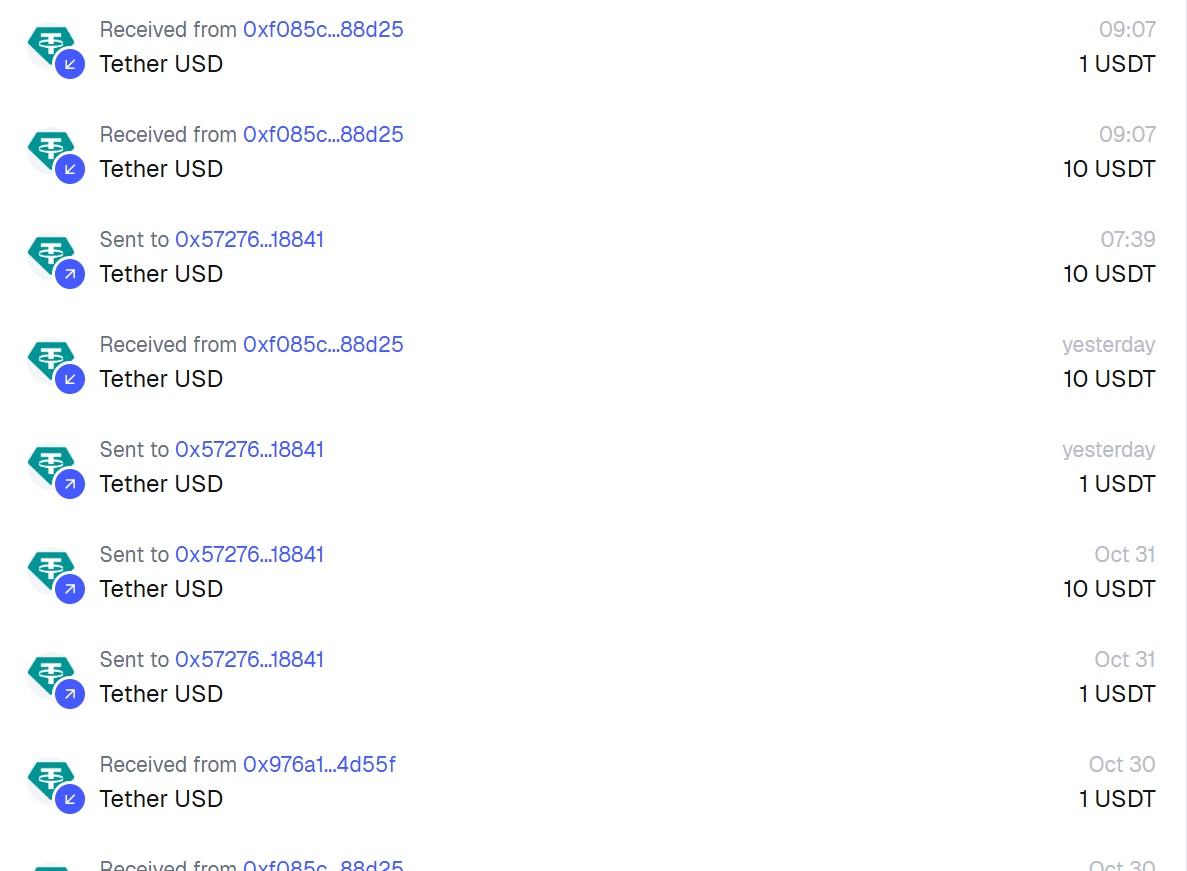
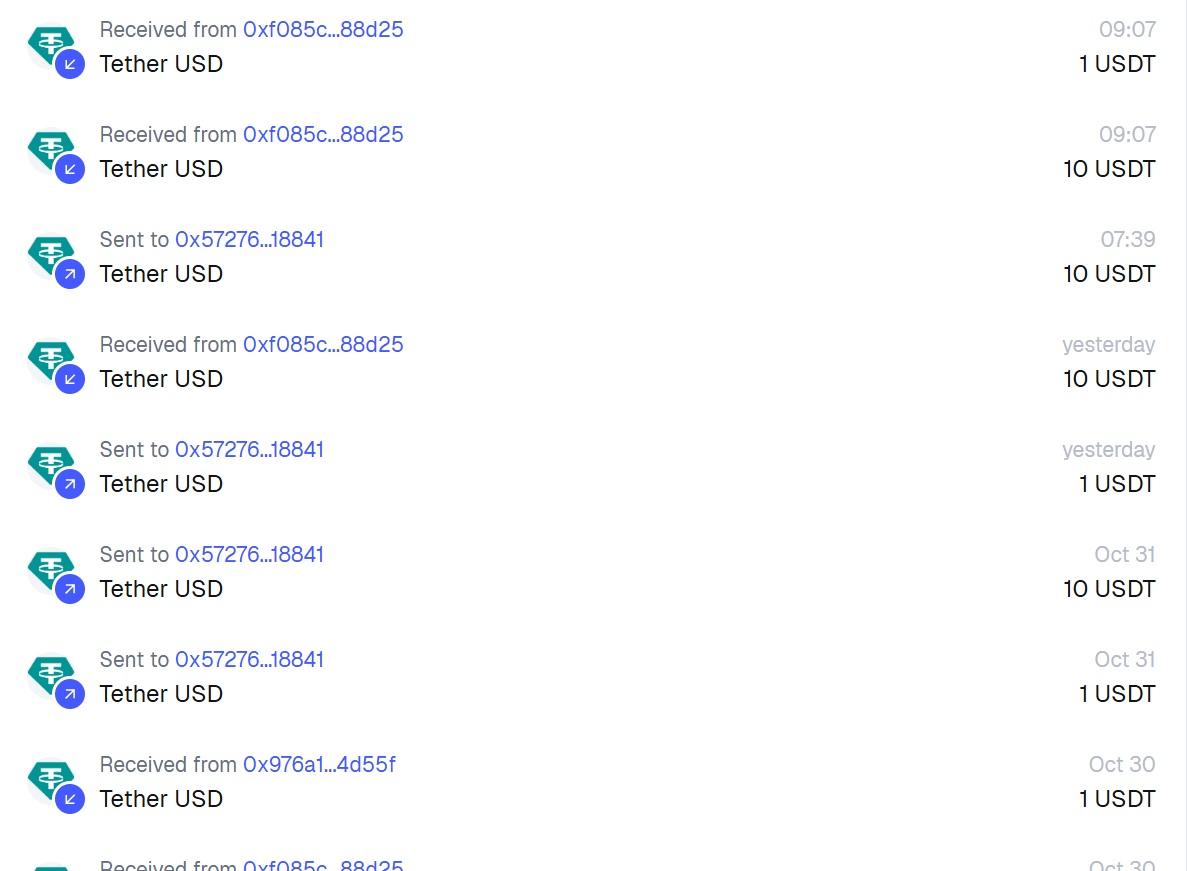
  • Are you interested in daily cashflow (USDT-BEP20)?
    And do you know at least 2 other serious people who want to receive also daily USDT?
    Earn up to $111 USDT per referral every day!
    Don't wait longer and start today.
    Connect your wallet, Sign up for free and complete your profile. Then I can send you a welcome email with the next step.
    https://poolfunding.io/landing?addr=0xf8a9C496DC70a03C4c1C3EB1FE3bbDf9E1159A0E
    Are you interested in daily cashflow (USDT-BEP20)? And do you know at least 2 other serious people who want to receive also daily USDT? Earn up to $111 USDT per referral every day! Don't wait longer and start today. Connect your wallet, Sign up for free and complete your profile. Then I can send you a welcome email with the next step. https://poolfunding.io/landing?addr=0xf8a9C496DC70a03C4c1C3EB1FE3bbDf9E1159A0E
    0 Σχόλια 0 Μοιράστηκε 2911 Views
  • Are you interested in daily cashflow (USDT-BEP20)?
    And do you know at least 2 other serious people who want to receive also daily USDT?
    Earn up to $111 USDT per referral every day!
    Don't wait longer and start today.
    Connect your wallet, Sign up for free and complete your profile. Then I can send you a welcome email with the next step.
    https://poolfunding.io/landing?addr=0xf8a9C496DC70a03C4c1C3EB1FE3bbDf9E1159A0E
    Are you interested in daily cashflow (USDT-BEP20)? And do you know at least 2 other serious people who want to receive also daily USDT? Earn up to $111 USDT per referral every day! Don't wait longer and start today. Connect your wallet, Sign up for free and complete your profile. Then I can send you a welcome email with the next step. https://poolfunding.io/landing?addr=0xf8a9C496DC70a03C4c1C3EB1FE3bbDf9E1159A0E
    Love
    1
    0 Σχόλια 0 Μοιράστηκε 3054 Views
  • Are you interested in daily cashflow (USDT-BEP20)?
    And do you know at least 2 other serious people who want to receive also daily USDT?
    Earn up to $111 USDT per referral every day!
    Don't wait longer and start today.
    Connect your wallet, Sign up for free and complete your profile. Then I can send you a welcome email with the next step. https://poolfunding.io/landing?addr=0xf8a9C496DC70a03C4c1C3EB1FE3bbDf9E1159A0E

    #joinjakob #poolfunding #usdt #cashflow
    Are you interested in daily cashflow (USDT-BEP20)? And do you know at least 2 other serious people who want to receive also daily USDT? Earn up to $111 USDT per referral every day! Don't wait longer and start today. Connect your wallet, Sign up for free and complete your profile. Then I can send you a welcome email with the next step. https://poolfunding.io/landing?addr=0xf8a9C496DC70a03C4c1C3EB1FE3bbDf9E1159A0E #joinjakob #poolfunding #usdt #cashflow
    Love
    1
    0 Σχόλια 0 Μοιράστηκε 5359 Views
Αναζήτηση αποτελεσμάτων
Προωθημένο

AI-powered Business Social

Join Kiosk Social and get your business seen, build links, grow relationships, and have fun.