


• Drones Will Be Used Against You After The Collapse, Here's How To Fight Back!.
    -----------
    When society collapses, whether through war, economic destruction, civil unrest, or some other large-scale disaster, most people imagine chaos in the streets, empty grocery stores, and people fighting over basic resources. But there’s another threat you need to be prepared for. One that flies silently overhead and could strike you before you even know you’re being watched. I’m talking about drones.
    As someone who’s been researching prepping, reading articles, studying books, and creating survival content, I see a lot of talk about the same cookie-cutter topics. Water filtration, food storage, home invasions, and civil unrest. But I rarely see anyone talking about drones, or even asking me about them, and that’s a mistake. Drones are already a massive part of our world. They are used by hobbyists, by militaries, by law enforcement, and even by cartels. After a collapse, I truly believe drones will become a major concern, and not many people are thinking about it now, but they should be.
    To see for myself how accessible this tech is, I even ordered a couple drones off of AliExpress. They were cheap, around thirty dollars each. And they worked. I also saw higher-end models being sold with full HD cameras, 50 times zoom, and flight times of twenty-two to thirty minutes, all for under two hundred dollars. You can get much better ones from companies like DJI. This kind of technology is available to anyone. After the collapse, criminals will absolutely use it the wrong way. Let’s break it down.
    How Criminals Will Use Drones After the Collapse
    If the power grid fails, the economy crashes, or civil war breaks out, drones will quickly become a critical tool for attackers. They are cheap, quiet, and extremely effective. And they will be used to scout, surveil, and attack.
    The first and most obvious use will be reconnaissance. Criminals or roaming gangs will launch drones to fly over neighborhoods, countryside roads, and forested areas to look for signs of human activity. They will be scanning for solar panels on rooftops, vegetable gardens in your backyard, rainwater catchment barrels, smoke coming from chimneys, or even livestock.
    If you’ve bugged out to a remote camp, don’t think you’re automatically safe. Drones can cover miles of wilderness and pick up trails, tracks, or even heat signatures from above. That camo tarp you set up may look hidden from the ground, but from the air, it might stand out like a billboard.
    Some drones will have thermal imaging, which means they do not need daylight to find you. They can detect your body heat, the warmth of a running generator, or even a campfire. If you're cooking outside, they’ll see the heat plume. If you're walking in the dark, they’ll see your body glowing in infrared. Unless you actively work to hide that heat, you’re vulnerable. And they won’t just use these drones to watch. Some will use them to strike.
    Drones Will Be Weaponized
    In war zones like Ukraine, we’re already seeing what’s possible. Commercial drones are being modified to drop improvised explosives on enemy positions. You can find footage of drones dropping grenades through sunroofs or into trenches. The same thing can happen to you.
    Post-collapse, criminals will use drones to drop pipe bombs, Molotov cocktails, smoke bombs, or homemade incendiaries onto homes, vehicles, or camps. A single road flare dropped into dry brush could start a wildfire. A smoke bomb tossed into your backyard could confuse you long enough for them to rush your property. Some may drop rocks or debris through skylights to distract you before a ground attack. This is asymmetric warfare adapted for the collapse.
    If you’ve made enemies, or if you’re guarding something valuable, drones will be part of their toolkit. They will scout, test your defenses, and possibly attack from above.
    Do Not Advertise What You Have
    One of the biggest mistakes people make in a collapse is showing what they have. If you own something that desperate people might want, keep it covered or bring it inside when it's not in use. That includes your generator, solar panels, rain barrels, even buckets and gardening tools. A drone flying overhead for two minutes can take a dozen high-resolution photos of your property. They’ll know what you have, what time you’re active, and whether you’re worth robbing.
    You don’t need to live in fear, but you do need to live smart. If you’ve got gear, hide it. If you’re growing food, put it behind fencing or netting that breaks up the visual pattern from above. If your generator is running, place it in a shed or behind a sandbag wall. Muffle the noise and block the heat. Noise attracts people. Heat attracts drones. You cannot afford to make yourself a target.
    How to Defend Yourself from Drones
    You are not helpless. You can fight back. Start by limiting your visibility and heat signature. If you’re moving during the day in open areas, you’re easy to spot. Travel at night. Stay close to trees and shaded terrain. Forest canopies interfere with a drone’s line of sight and break up your outline.
    To protect yourself from thermal drones, use mylar emergency blankets. These shiny blankets reflect heat and can distort your infrared signature. Wrap your shelter. Line the inside of your tarp. Cover stored gear. They won’t make you invisible, but they may throw off the drone’s thermal sensor just enough to protect you.
    Now let’s talk about how to bring them down.
    Shotguns. In Ukraine, soldiers and mercenaries have confirmed that 12-gauge shotguns with birdshot are highly effective against drones. One operator said he uses a Mossberg 500 and has downed multiple drones with ease. Birdshot gives you a wide spread, so you don’t need perfect aim. Just the right timing and angle.
    Slingshots. If you want a quieter option, a high-powered slingshot is a great tool. Loaded with steel balls, marbles, or rocks, it can take down drones silently and without giving away your location. Slingshots are legal in most places and don’t require ammo you can’t find or make. They are light, reusable, and surprisingly powerful.
    Anti-drone guns. These are more advanced tools that jam a drone’s signal using radio frequencies, causing it to crash or return home. They are expensive, starting around four thousand dollars, but if you are defending a large property, a group, or critical resources, they may be worth it.
    Sandbags. Don’t underestimate them. Stack sandbags around your rooftop, generator, garden, or fuel stores. They block line of sight and absorb damage from explosives. Even a small sandbag wall around your gear could be the reason a drone fails to hit its mark.
    Fire is a Weapon. Prepare for It
    If drones are dropping flares or incendiaries, fire is going to be one of your biggest threats. You must be ready.
    Every household should have at least two to four fire extinguishers rated for Class A, B, and C fires. That means fires caused by solids, flammable liquids, and electrical sources. Keep one near your back door, one in the kitchen, one in your garage, and one near your generator or tools. If you live on a homestead or larger property, have extras near fuel, outbuildings, and sheds.
    Fires can spread fast, and in a collapse, there’s no fire department coming to save you. Your only option is to put it out yourself or watch everything you’ve built burn.
    Expect Injuries. Build a Trauma Kit
    Drones dropping explosives or sharp objects will cause injuries. And if you’re hit, you need more than a box of bandages.
    You need a trauma kit. A real one.
    Here’s what every prepper household should have:
    Tourniquets like CAT or SOFTT-W
    Pressure dressings such as Israeli bandages
    Compressed gauze for wound packing
    Hemostatic agents like QuikClot or Celox
    Chest seals for puncture wounds
    Nitrile gloves
    Trauma shears
    A nasopharyngeal airway with lube
    Burn dressings or sterile burn sheets
    Antiseptic wipes or iodine swabs
    Eye shield and eyewash solution
    SAM splint for fractures
    Permanent marker to note tourniquet times
    Emergency blanket
    Basic trauma instructions in case someone else has to treat you
    Train your group to use these tools. Don’t just own the kit. Know the kit. At the very least, if you don’t want to take an in person course, watch youtube videos from experts to see how you can use each item. Remember that when the collapse hits, you are your own medic.
    My Final Warning
    Drones are not just military tech. After the collapse, they will be used by gangs, looters, and anyone with bad intentions and access to basic tech. They do not need the power grid. They can be charged using solar panels, car batteries, or scavenged power stations. They’re quiet, fast, and deadly.
    They will be used to scout your property, track your movements, cause chaos, start fires, and even kill. And they will be used by people in your own community, not just by organized forces or governments.
    Hide your gear. Conceal your heat. Fortify your home. Train your eyes to the sky. Be ready to defend not just against what’s coming through the door, but what’s flying over it.
    Keep prepping!
    Drones Will Be Used Against You After The Collapse, Here's How To Fight Back!. ----------- When society collapses, whether through war, economic destruction, civil unrest, or some other large-scale disaster, most people imagine chaos in the streets, empty grocery stores, and people fighting over basic resources. But there’s another threat you need to be prepared for. One that flies silently overhead and could strike you before you even know you’re being watched. I’m talking about drones. As someone who’s been researching prepping, reading articles, studying books, and creating survival content, I see a lot of talk about the same cookie-cutter topics. Water filtration, food storage, home invasions, and civil unrest. But I rarely see anyone talking about drones, or even asking me about them, and that’s a mistake. Drones are already a massive part of our world. They are used by hobbyists, by militaries, by law enforcement, and even by cartels. After a collapse, I truly believe drones will become a major concern, and not many people are thinking about it now, but they should be. To see for myself how accessible this tech is, I even ordered a couple drones off of AliExpress. They were cheap, around thirty dollars each. And they worked. I also saw higher-end models being sold with full HD cameras, 50 times zoom, and flight times of twenty-two to thirty minutes, all for under two hundred dollars. You can get much better ones from companies like DJI. This kind of technology is available to anyone. After the collapse, criminals will absolutely use it the wrong way. Let’s break it down. How Criminals Will Use Drones After the Collapse If the power grid fails, the economy crashes, or civil war breaks out, drones will quickly become a critical tool for attackers. They are cheap, quiet, and extremely effective. And they will be used to scout, surveil, and attack. The first and most obvious use will be reconnaissance. Criminals or roaming gangs will launch drones to fly over neighborhoods, countryside roads, and forested areas to look for signs of human activity. They will be scanning for solar panels on rooftops, vegetable gardens in your backyard, rainwater catchment barrels, smoke coming from chimneys, or even livestock. If you’ve bugged out to a remote camp, don’t think you’re automatically safe. Drones can cover miles of wilderness and pick up trails, tracks, or even heat signatures from above. That camo tarp you set up may look hidden from the ground, but from the air, it might stand out like a billboard. Some drones will have thermal imaging, which means they do not need daylight to find you. They can detect your body heat, the warmth of a running generator, or even a campfire. If you're cooking outside, they’ll see the heat plume. If you're walking in the dark, they’ll see your body glowing in infrared. Unless you actively work to hide that heat, you’re vulnerable. And they won’t just use these drones to watch. Some will use them to strike. Drones Will Be Weaponized In war zones like Ukraine, we’re already seeing what’s possible. Commercial drones are being modified to drop improvised explosives on enemy positions. You can find footage of drones dropping grenades through sunroofs or into trenches. The same thing can happen to you. Post-collapse, criminals will use drones to drop pipe bombs, Molotov cocktails, smoke bombs, or homemade incendiaries onto homes, vehicles, or camps. A single road flare dropped into dry brush could start a wildfire. A smoke bomb tossed into your backyard could confuse you long enough for them to rush your property. Some may drop rocks or debris through skylights to distract you before a ground attack. This is asymmetric warfare adapted for the collapse. If you’ve made enemies, or if you’re guarding something valuable, drones will be part of their toolkit. They will scout, test your defenses, and possibly attack from above. Do Not Advertise What You Have One of the biggest mistakes people make in a collapse is showing what they have. If you own something that desperate people might want, keep it covered or bring it inside when it's not in use. That includes your generator, solar panels, rain barrels, even buckets and gardening tools. A drone flying overhead for two minutes can take a dozen high-resolution photos of your property. They’ll know what you have, what time you’re active, and whether you’re worth robbing. You don’t need to live in fear, but you do need to live smart. If you’ve got gear, hide it. If you’re growing food, put it behind fencing or netting that breaks up the visual pattern from above. If your generator is running, place it in a shed or behind a sandbag wall. Muffle the noise and block the heat. Noise attracts people. Heat attracts drones. You cannot afford to make yourself a target. How to Defend Yourself from Drones You are not helpless. You can fight back. Start by limiting your visibility and heat signature. If you’re moving during the day in open areas, you’re easy to spot. Travel at night. Stay close to trees and shaded terrain. Forest canopies interfere with a drone’s line of sight and break up your outline. To protect yourself from thermal drones, use mylar emergency blankets. These shiny blankets reflect heat and can distort your infrared signature. Wrap your shelter. Line the inside of your tarp. Cover stored gear. They won’t make you invisible, but they may throw off the drone’s thermal sensor just enough to protect you. Now let’s talk about how to bring them down. Shotguns. In Ukraine, soldiers and mercenaries have confirmed that 12-gauge shotguns with birdshot are highly effective against drones. One operator said he uses a Mossberg 500 and has downed multiple drones with ease. Birdshot gives you a wide spread, so you don’t need perfect aim. Just the right timing and angle. Slingshots. If you want a quieter option, a high-powered slingshot is a great tool. Loaded with steel balls, marbles, or rocks, it can take down drones silently and without giving away your location. Slingshots are legal in most places and don’t require ammo you can’t find or make. They are light, reusable, and surprisingly powerful. Anti-drone guns. These are more advanced tools that jam a drone’s signal using radio frequencies, causing it to crash or return home. They are expensive, starting around four thousand dollars, but if you are defending a large property, a group, or critical resources, they may be worth it. Sandbags. Don’t underestimate them. Stack sandbags around your rooftop, generator, garden, or fuel stores. They block line of sight and absorb damage from explosives. Even a small sandbag wall around your gear could be the reason a drone fails to hit its mark. Fire is a Weapon. Prepare for It If drones are dropping flares or incendiaries, fire is going to be one of your biggest threats. You must be ready. Every household should have at least two to four fire extinguishers rated for Class A, B, and C fires. That means fires caused by solids, flammable liquids, and electrical sources. Keep one near your back door, one in the kitchen, one in your garage, and one near your generator or tools. If you live on a homestead or larger property, have extras near fuel, outbuildings, and sheds. Fires can spread fast, and in a collapse, there’s no fire department coming to save you. Your only option is to put it out yourself or watch everything you’ve built burn. Expect Injuries. Build a Trauma Kit Drones dropping explosives or sharp objects will cause injuries. And if you’re hit, you need more than a box of bandages. You need a trauma kit. A real one. Here’s what every prepper household should have: Tourniquets like CAT or SOFTT-W Pressure dressings such as Israeli bandages Compressed gauze for wound packing Hemostatic agents like QuikClot or Celox Chest seals for puncture wounds Nitrile gloves Trauma shears A nasopharyngeal airway with lube Burn dressings or sterile burn sheets Antiseptic wipes or iodine swabs Eye shield and eyewash solution SAM splint for fractures Permanent marker to note tourniquet times Emergency blanket Basic trauma instructions in case someone else has to treat you Train your group to use these tools. Don’t just own the kit. Know the kit. At the very least, if you don’t want to take an in person course, watch youtube videos from experts to see how you can use each item. Remember that when the collapse hits, you are your own medic. My Final Warning Drones are not just military tech. After the collapse, they will be used by gangs, looters, and anyone with bad intentions and access to basic tech. They do not need the power grid. They can be charged using solar panels, car batteries, or scavenged power stations. They’re quiet, fast, and deadly. They will be used to scout your property, track your movements, cause chaos, start fires, and even kill. And they will be used by people in your own community, not just by organized forces or governments. Hide your gear. Conceal your heat. Fortify your home. Train your eyes to the sky. Be ready to defend not just against what’s coming through the door, but what’s flying over it. Keep prepping!
    0 Comentários 0 Compartilhamentos 4144 Visualizações
  • I’ve always believed music says the things we can’t. It sneaks past language, past logic, straight into the part of you that remembers how to feel. I didn’t really understand that until I started travelling alone. Somewhere between airport terminals and late-night bus rides, I realised the quickest way to connect with strangers wasn’t through words — it was through rhythm.

    Read More: https://uktravellingfortourists.blogspot.com/2025/12/how-music-connected-me-to-strangers-while-travelling.html
    I’ve always believed music says the things we can’t. It sneaks past language, past logic, straight into the part of you that remembers how to feel. I didn’t really understand that until I started travelling alone. Somewhere between airport terminals and late-night bus rides, I realised the quickest way to connect with strangers wasn’t through words — it was through rhythm. Read More: https://uktravellingfortourists.blogspot.com/2025/12/how-music-connected-me-to-strangers-while-travelling.html
    UKTRAVELLINGFORTOURISTS.BLOGSPOT.COM
    How Music Connected Me to Strangers While Travelling
    How Music Connected Me to Strangers While Travelling: A Complete Guide I’ve always believed music says the things we can’t. It sneaks past...
    0 Comentários 0 Compartilhamentos 1056 Visualizações
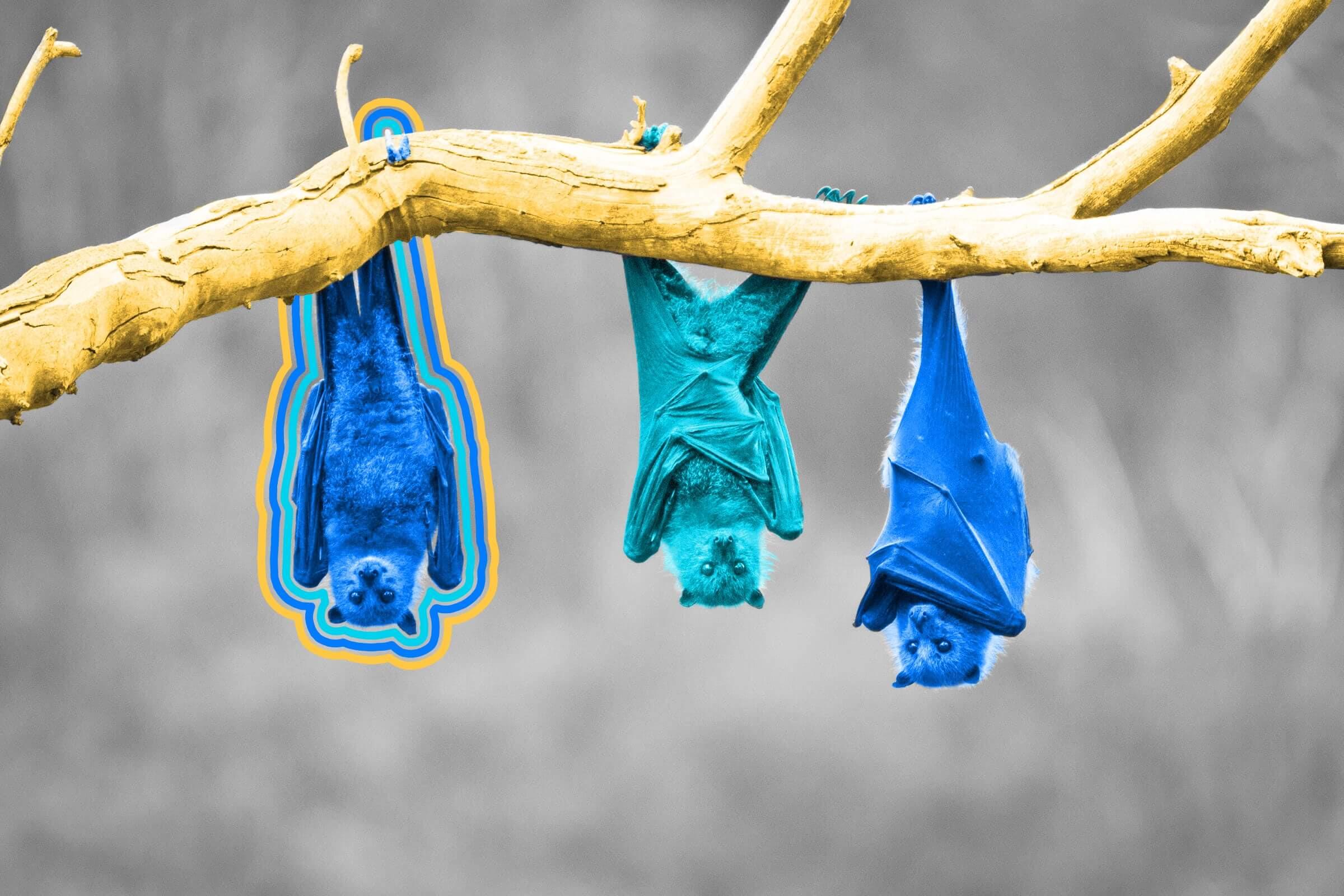
  • Bat species make up 21% of all mammals.

    Earth is home to a staggering number of creatures: By one estimate, more than 8.7 million species of plants and animals live on its lands and in its waters. Mammals, however, make up a small fraction of that number — just 6,495 species. If you’re wondering which warm-blooded animals are most numerous, glance to the night sky. That’s where you’ll probably find bats, which account for 21% of all the mammals in the world.

    The bat family boasts amazing diversity. The tiny bumblebee bat (only about an inch big) is the world’s smallest mammal, while the flying fox bat has a 5-foot wingspan. Scientists classify these mostly nocturnal creatures into two categories: microbats and megabats. Microbats are generally smaller, nighttime flyers that rely on echolocation to hunt insects, whereas megabats are often much larger, and some of them hunt in the daytime. Megabats primarily live in the tropics, where they use their larger eyes and better olfactory senses in place of echolocation to locate fruit for their meals.

    Bats have been around for more than 50 million years, which helps explain why they’re such a fine-tuned part of our ecosystem. Nectar-eating bats are master pollinators of more than 500 plant species (including cacao for chocolate and agave for tequila), thanks to their ability to fly and transport pollen further than bees. They’re also nature’s bug zappers, keeping mosquito, moth, and beetle populations in check. The flying insect hunters are so effective — eating half their body weight in bugs each night — that scientists credit them with saving U.S. farmers $1 billion in pesticides and crop damage each year. Bats even help combat deforestation by dropping seeds over barren areas: Bat-dropped seeds can account for up to 95% of regrowth in cleared forests in tropical areas, a huge accomplishment for such small creatures.


    Vampire bats create close friendships.
    Vampire bats are at best feared and at worst maligned as sinister predators, but chiropterologists (scientists who study bats) believe Desmodus rotundus are actually incredibly social animals that survive thanks to their selective, long-term friendships. Vampire bats, which live in Mexico, Central America, and South America, have genetic mutations that separate them from their fruit- and bug-eating brethren, affecting how they taste and digest their food. They only survive on blood (usually from livestock and birds), and consume nearly 1.4 times their body weight per meal to get the nutrients they need. But blood isn’t always readily available, which puts vampire bats at risk of starvation, especially since they must eat every 48 hours or so. Researchers think this could be why these flying mammals have learned to share food with family members, regurgitating the substance in a manner similar to how birds feed their young. But vampire bats will also help roost-mates they have close, nonfamilial relationships with — and those bats remember and return the favor, creating a long-term bond that increases both animals’ odds of survival. Researchers say watching these high-flying friendships develop can help us better understand how other social species (like humans) bond, too.
    Bat species make up 21% of all mammals. Earth is home to a staggering number of creatures: By one estimate, more than 8.7 million species of plants and animals live on its lands and in its waters. Mammals, however, make up a small fraction of that number — just 6,495 species. If you’re wondering which warm-blooded animals are most numerous, glance to the night sky. That’s where you’ll probably find bats, which account for 21% of all the mammals in the world. The bat family boasts amazing diversity. The tiny bumblebee bat (only about an inch big) is the world’s smallest mammal, while the flying fox bat has a 5-foot wingspan. Scientists classify these mostly nocturnal creatures into two categories: microbats and megabats. Microbats are generally smaller, nighttime flyers that rely on echolocation to hunt insects, whereas megabats are often much larger, and some of them hunt in the daytime. Megabats primarily live in the tropics, where they use their larger eyes and better olfactory senses in place of echolocation to locate fruit for their meals. Bats have been around for more than 50 million years, which helps explain why they’re such a fine-tuned part of our ecosystem. Nectar-eating bats are master pollinators of more than 500 plant species (including cacao for chocolate and agave for tequila), thanks to their ability to fly and transport pollen further than bees. They’re also nature’s bug zappers, keeping mosquito, moth, and beetle populations in check. The flying insect hunters are so effective — eating half their body weight in bugs each night — that scientists credit them with saving U.S. farmers $1 billion in pesticides and crop damage each year. Bats even help combat deforestation by dropping seeds over barren areas: Bat-dropped seeds can account for up to 95% of regrowth in cleared forests in tropical areas, a huge accomplishment for such small creatures. Vampire bats create close friendships. Vampire bats are at best feared and at worst maligned as sinister predators, but chiropterologists (scientists who study bats) believe Desmodus rotundus are actually incredibly social animals that survive thanks to their selective, long-term friendships. Vampire bats, which live in Mexico, Central America, and South America, have genetic mutations that separate them from their fruit- and bug-eating brethren, affecting how they taste and digest their food. They only survive on blood (usually from livestock and birds), and consume nearly 1.4 times their body weight per meal to get the nutrients they need. But blood isn’t always readily available, which puts vampire bats at risk of starvation, especially since they must eat every 48 hours or so. Researchers think this could be why these flying mammals have learned to share food with family members, regurgitating the substance in a manner similar to how birds feed their young. But vampire bats will also help roost-mates they have close, nonfamilial relationships with — and those bats remember and return the favor, creating a long-term bond that increases both animals’ odds of survival. Researchers say watching these high-flying friendships develop can help us better understand how other social species (like humans) bond, too.
    0 Comentários 0 Compartilhamentos 7134 Visualizações
  • At BitNest, we believe that everyone has the right to financial freedom. Through our smart contracts, you can safely invest and grow your funds without worrying about third-party intervention or risk. Join us, become a member of our growing community, explore new investment possibilities, and embark on a journey of wealth growth together!
    Start with $1 already. https://bitnest.me/DPJXF
    At BitNest, we believe that everyone has the right to financial freedom. Through our smart contracts, you can safely invest and grow your funds without worrying about third-party intervention or risk. Join us, become a member of our growing community, explore new investment possibilities, and embark on a journey of wealth growth together! Start with $1 already. https://bitnest.me/DPJXF
    Love
    1
    6 Comentários 0 Compartilhamentos 13597 Visualizações
  • Hey there!

    Ever found yourself wondering about unique ways to ensure your safety without carrying conventional self-defense tools? Well, you're in for a surprise! Today, I want to introduce you to some unconventional self-defense tools that are as effective as they are unexpected.

    Imagine being able to protect yourself with everyday items that don't scream "self-defense tool." Here are a few that might just blow your mind:

    Umbrella Sword: A classic rainy day accessory with a twist. When opened, it looks like a regular umbrella, but it conceals a sturdy, pointed end that can be used for self-defense.
    Lipstick Stun Gun: Disguised as a regular lipstick, this device packs a punch with a powerful stun feature to deter any attacker.
    Personal Alarm Keychain: Small and unassuming, this keychain emits a loud alarm when activated, drawing attention and potentially scaring off threats.
    Defense Ring: A fashionable ring that doubles as a spike for self-defense. Stylish and functional!

    These tools offer a discreet way to stay safe and confident, whether you're walking alone at night or traveling. And the best part? They're perfectly legal and easy to carry.

    I believe in empowering you with the knowledge and tools to feel secure in any situation. If you're curious to explore more about these unconventional tools, head over to The Shiny Ball and discover how you can stay on the ball with your safety.

    https://simplebooklet.com/embed.php?wpKey=BDy4Rv5tR0mXdr46HQODPQ&source=embed%E2%80%99#page=1

    Stay safe and on the ball,
    Hey there! Ever found yourself wondering about unique ways to ensure your safety without carrying conventional self-defense tools? Well, you're in for a surprise! Today, I want to introduce you to some unconventional self-defense tools that are as effective as they are unexpected. Imagine being able to protect yourself with everyday items that don't scream "self-defense tool." Here are a few that might just blow your mind: Umbrella Sword: A classic rainy day accessory with a twist. When opened, it looks like a regular umbrella, but it conceals a sturdy, pointed end that can be used for self-defense. Lipstick Stun Gun: Disguised as a regular lipstick, this device packs a punch with a powerful stun feature to deter any attacker. Personal Alarm Keychain: Small and unassuming, this keychain emits a loud alarm when activated, drawing attention and potentially scaring off threats. Defense Ring: A fashionable ring that doubles as a spike for self-defense. Stylish and functional! These tools offer a discreet way to stay safe and confident, whether you're walking alone at night or traveling. And the best part? They're perfectly legal and easy to carry. I believe in empowering you with the knowledge and tools to feel secure in any situation. If you're curious to explore more about these unconventional tools, head over to The Shiny Ball and discover how you can stay on the ball with your safety. https://simplebooklet.com/embed.php?wpKey=BDy4Rv5tR0mXdr46HQODPQ&source=embed%E2%80%99#page=1 Stay safe and on the ball,
    Love
    1
    0 Comentários 0 Compartilhamentos 15526 Visualizações
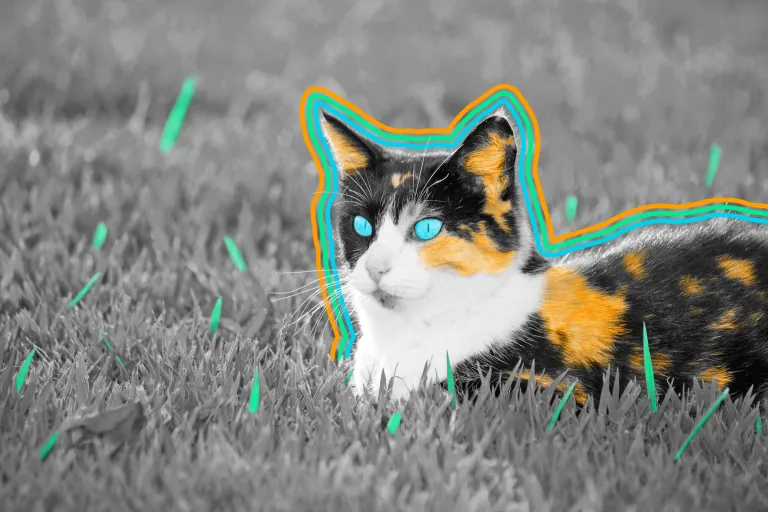
  • Why you almost never see male calico cats.

    Only about 1 in every 3,000 calico cats is male.
    If you know anything about calico cats, it’s that they’re especially cute. If you know two things about them, the second might be that only about 1 in every 3,000 of them is male. The tricolor kitties — which are most often but not always white, orange, and black — get their distinct coat from their chromosomal makeup. Female cats have two X chromosomes, which carry the coding gene for black and orange coloration, and the only way for calico coloring to occur is for a kitten to get one black-coded X and one orange-coded X. The same is also true of tortoiseshell (tortie) cats, which are predominantly black and orange — and known for their “tortitude.” (The white patches in calicos, meanwhile, happen through a separate genetic process called piebalding, which produces areas of skin and fur without any pigment.)

    Though extremely rare, male calicos and torties do exist. This is usually the result of one of two conditions: chimerism or Klinefelter’s syndrome. The former occurs when two embryos fuse early in pregnancy, resulting in two different sets of DNA, while Klinefelter’s is the result of a male inheriting an extra X chromosome and therefore having XXY chromosomes. Making them even rarer is the fact that male calicos are almost always sterile, meaning it’s all but impossible to breed calicos — every one you see is an anomaly, and all the more special for it.


    Calicos are considered good luck.

    There’s a reason that maneki-neko are so often depicted as calicos: They’re considered good luck. The “beckoning cat” figurines found throughout Japan and at Japanese and Chinese establishments around the world are intended as tokens of good fortune, with one of their paws raised high in a waving motion. This dates back to the tradition of Japanese sailors traveling with calicos to bring about safe passage — the multicolored cats were believed to be able to chase away storms and ancestral ghosts. In the United States and England, meanwhile, male calicos are considered especially lucky because of their rarity.

    #Animals, #Cats, #Calico,
    Why you almost never see male calico cats. Only about 1 in every 3,000 calico cats is male. If you know anything about calico cats, it’s that they’re especially cute. If you know two things about them, the second might be that only about 1 in every 3,000 of them is male. The tricolor kitties — which are most often but not always white, orange, and black — get their distinct coat from their chromosomal makeup. Female cats have two X chromosomes, which carry the coding gene for black and orange coloration, and the only way for calico coloring to occur is for a kitten to get one black-coded X and one orange-coded X. The same is also true of tortoiseshell (tortie) cats, which are predominantly black and orange — and known for their “tortitude.” (The white patches in calicos, meanwhile, happen through a separate genetic process called piebalding, which produces areas of skin and fur without any pigment.) Though extremely rare, male calicos and torties do exist. This is usually the result of one of two conditions: chimerism or Klinefelter’s syndrome. The former occurs when two embryos fuse early in pregnancy, resulting in two different sets of DNA, while Klinefelter’s is the result of a male inheriting an extra X chromosome and therefore having XXY chromosomes. Making them even rarer is the fact that male calicos are almost always sterile, meaning it’s all but impossible to breed calicos — every one you see is an anomaly, and all the more special for it. Calicos are considered good luck. There’s a reason that maneki-neko are so often depicted as calicos: They’re considered good luck. The “beckoning cat” figurines found throughout Japan and at Japanese and Chinese establishments around the world are intended as tokens of good fortune, with one of their paws raised high in a waving motion. This dates back to the tradition of Japanese sailors traveling with calicos to bring about safe passage — the multicolored cats were believed to be able to chase away storms and ancestral ghosts. In the United States and England, meanwhile, male calicos are considered especially lucky because of their rarity. #Animals, #Cats, #Calico,
    Like
    1
    0 Comentários 0 Compartilhamentos 16091 Visualizações
  • She Went to the Laundromat Alone — Then a Man Followed Her Out, and She Was Never Seen Alive Again
    Corrine Perry vanished in 1983 on a quiet Sunday in Creston, Iowa

    On an April evening in 1983, 17-year-old Corinne Perry left home to do laundry in Creston, Iowa. She never returned. Her neatly-folded clothes were found in her car; her body was discovered over a year later.

    The case remains unsolved.

    It was a quiet Sunday when Corinne, a high school senior known for her bright smile and passion for theater, walked out the door for a routine chore. She was headed to the Highlander Laundromat just a few blocks away, a familiar errand in the small southwest Iowa town where she lived with her mother and sister.

    But what began as an ordinary evening would soon become one of the region's most haunting cold cases.

    According to reporting by NBC News, Corinne's car was found the next day outside the laundromat, her clothes clean and folded inside. But the teen was gone.

    Police initially suspected that she had run away, an assumption that delayed what would later become a full-scale investigation.

    Witnesses later told authorities that Corinne left between 8:30 p.m. and 9 p.m. and that a man walked out behind her. They described seeing her talking to a man with glasses and brown hair, believed to be in his 20s or 30s. But that man was never identified.

    Her sister, Letitia Perry, has spent decades urging authorities and the public not to forget about Corinne.
    "I know something was wrong immediately," she told NBC News. "My sister wouldn't just leave."

    Two weeks after Corinne vanished, her purse was found miles away on a bridge, undisturbed, with her glasses, makeup and personal belongings still inside. For more than a year, the Perry family waited in agony for answers.

    Then, on November 3, 1984, hunters stumbled upon a shallow grave, roughly six miles from Creston and near where Corinne's purse had been recovered. Inside were human remains later confirmed to be Corinne's

    The remains, just bones, had to be identified using dental records, per the Associated Press. Due to the condition of the body, a cause of death could not be determined.

    The Iowa Division of Criminal Investigation (DCI) reopened the case in 2009, hoping that advancements in forensic technology might finally lead to a break in the case. But so far, no suspects have ever been named publicly, and no arrests have been made.

    Letitia believes someone in the community knows what happened -- and may have even spoken with Corinne that night. Now in her 50s, Letitia says she won't give up until there are answers.

    “At the 30-year mark of her death, I sort of quit having expectations,” Letitia told NBC. “But I can’t give up. She was my little sister and I’m not going to give up.”

    The case remains open. The Iowa DCI encourages anyone with information to call (515) 725-6010 or submit an anonymous tip through their website.
    #Murder, #Crime, #Unsolved, #Death,
    She Went to the Laundromat Alone — Then a Man Followed Her Out, and She Was Never Seen Alive Again Corrine Perry vanished in 1983 on a quiet Sunday in Creston, Iowa On an April evening in 1983, 17-year-old Corinne Perry left home to do laundry in Creston, Iowa. She never returned. Her neatly-folded clothes were found in her car; her body was discovered over a year later. The case remains unsolved. It was a quiet Sunday when Corinne, a high school senior known for her bright smile and passion for theater, walked out the door for a routine chore. She was headed to the Highlander Laundromat just a few blocks away, a familiar errand in the small southwest Iowa town where she lived with her mother and sister. But what began as an ordinary evening would soon become one of the region's most haunting cold cases. According to reporting by NBC News, Corinne's car was found the next day outside the laundromat, her clothes clean and folded inside. But the teen was gone. Police initially suspected that she had run away, an assumption that delayed what would later become a full-scale investigation. Witnesses later told authorities that Corinne left between 8:30 p.m. and 9 p.m. and that a man walked out behind her. They described seeing her talking to a man with glasses and brown hair, believed to be in his 20s or 30s. But that man was never identified. Her sister, Letitia Perry, has spent decades urging authorities and the public not to forget about Corinne. "I know something was wrong immediately," she told NBC News. "My sister wouldn't just leave." Two weeks after Corinne vanished, her purse was found miles away on a bridge, undisturbed, with her glasses, makeup and personal belongings still inside. For more than a year, the Perry family waited in agony for answers. Then, on November 3, 1984, hunters stumbled upon a shallow grave, roughly six miles from Creston and near where Corinne's purse had been recovered. Inside were human remains later confirmed to be Corinne's The remains, just bones, had to be identified using dental records, per the Associated Press. Due to the condition of the body, a cause of death could not be determined. The Iowa Division of Criminal Investigation (DCI) reopened the case in 2009, hoping that advancements in forensic technology might finally lead to a break in the case. But so far, no suspects have ever been named publicly, and no arrests have been made. Letitia believes someone in the community knows what happened -- and may have even spoken with Corinne that night. Now in her 50s, Letitia says she won't give up until there are answers. “At the 30-year mark of her death, I sort of quit having expectations,” Letitia told NBC. “But I can’t give up. She was my little sister and I’m not going to give up.” The case remains open. The Iowa DCI encourages anyone with information to call (515) 725-6010 or submit an anonymous tip through their website. #Murder, #Crime, #Unsolved, #Death,
    Love
    1
    0 Comentários 0 Compartilhamentos 30486 Visualizações
  • Autopsy Results Released for Decker Sisters, Who Police Believe Were Killed by Dad.

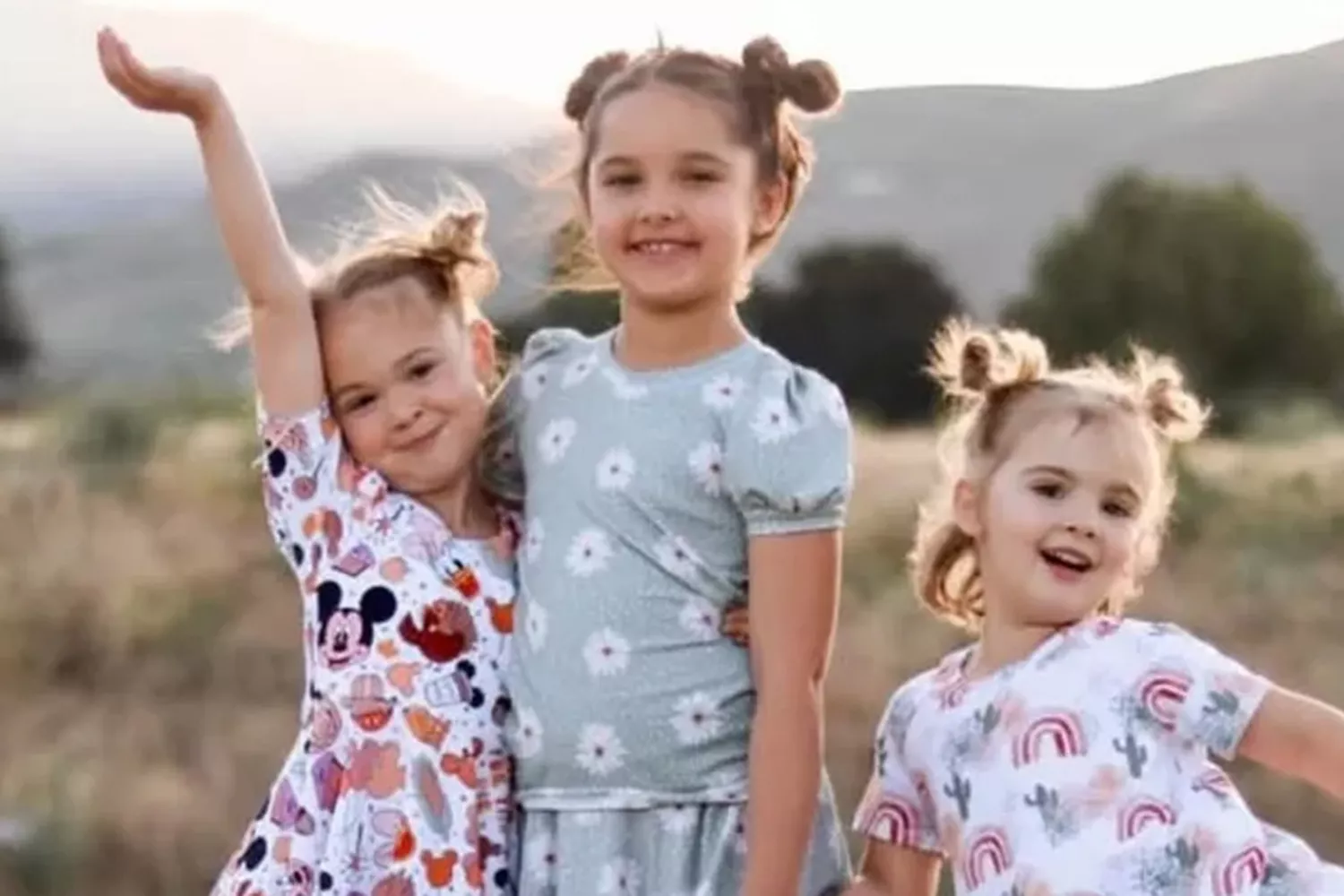
    The bodies of Paityn Decker, 9, Evelyn Decker, 8, and Olivia Decker, 5, were found on June 2 — three days after they were last seen with their father, Travis Decker, who remains missing.

    Authorities have announced the official causes of death for three girls who were alleged to have been killed by their father.

    Paityn Decker, 9, Evelyn Decker, 8, and Olivia Decker, 5, were found dead near the Rock Island Campground in Chelan County, Wash., on June 2, the Chelan County Sheriff's Office previously said. The girls were reported missing on May 30 after they had not returned from a planned visitation with their father, 32-year-old Travis Decker.

    In a press release shared with PEOPLE on Monday, June 9, the CCSO said an autopsy was completed by the medical examiner on Friday, June 6.

    "The cause of death was determined to be suffocation and the manner of death was determined to be homicide," the release states.

    The girls' bodies were located after authorities found Travis' pickup truck, in which the sheriff's office said investigators have since collected a "large amount of evidence" including many of his personal items, per the release.

    "The suspect’s dog was recovered and turned over to the humane society for safe care," the CCSO added. "Blood samples taken from the scene have come back positive for belonging to a male, and another was not human blood. Further DNA and fingerprint analyses are still being conducted."

    Travis remains missing and is wanted on charges of murder, kidnapping and custodial interference.

    As of 6 p.m. local time on Sunday, June 8, the CCSO handed over the search efforts for Travis to federal authorities but noted they are still leading the criminal investigation.

    "We had reached a point where we need to rest our local resources. Our command staff continues to be engaged with the search command while we give our teams time off to rest and recuperate and be ready to rejoin the search for, and capture of, the suspect," the release states.

    Amid the ongoing manhunt for Travis, authorities have been asking the public to come forward with any information and have shared several photos of him.

    Travis is 5'8" with black hair and brown eyes, and authorities have described him as posing "a significant risk if approached" due to his prior military experience.
    Authorities are asking anyone who has seen Travis to call 911 immediately. People can also call the CCSO tip line at 509-667-6845 or submit information to the tip line online.

    A GoFundMe campaign set up to help the girls' mother with expenses and legal costs amid the tragic loss of her three daughters has raised more than $1 million in donations as of Monday, June 9.
    #Murder, #Crime, #Children,
    Autopsy Results Released for Decker Sisters, Who Police Believe Were Killed by Dad. The bodies of Paityn Decker, 9, Evelyn Decker, 8, and Olivia Decker, 5, were found on June 2 — three days after they were last seen with their father, Travis Decker, who remains missing. Authorities have announced the official causes of death for three girls who were alleged to have been killed by their father. Paityn Decker, 9, Evelyn Decker, 8, and Olivia Decker, 5, were found dead near the Rock Island Campground in Chelan County, Wash., on June 2, the Chelan County Sheriff's Office previously said. The girls were reported missing on May 30 after they had not returned from a planned visitation with their father, 32-year-old Travis Decker. In a press release shared with PEOPLE on Monday, June 9, the CCSO said an autopsy was completed by the medical examiner on Friday, June 6. "The cause of death was determined to be suffocation and the manner of death was determined to be homicide," the release states. The girls' bodies were located after authorities found Travis' pickup truck, in which the sheriff's office said investigators have since collected a "large amount of evidence" including many of his personal items, per the release. "The suspect’s dog was recovered and turned over to the humane society for safe care," the CCSO added. "Blood samples taken from the scene have come back positive for belonging to a male, and another was not human blood. Further DNA and fingerprint analyses are still being conducted." Travis remains missing and is wanted on charges of murder, kidnapping and custodial interference. As of 6 p.m. local time on Sunday, June 8, the CCSO handed over the search efforts for Travis to federal authorities but noted they are still leading the criminal investigation. "We had reached a point where we need to rest our local resources. Our command staff continues to be engaged with the search command while we give our teams time off to rest and recuperate and be ready to rejoin the search for, and capture of, the suspect," the release states. Amid the ongoing manhunt for Travis, authorities have been asking the public to come forward with any information and have shared several photos of him. Travis is 5'8" with black hair and brown eyes, and authorities have described him as posing "a significant risk if approached" due to his prior military experience. Authorities are asking anyone who has seen Travis to call 911 immediately. People can also call the CCSO tip line at 509-667-6845 or submit information to the tip line online. A GoFundMe campaign set up to help the girls' mother with expenses and legal costs amid the tragic loss of her three daughters has raised more than $1 million in donations as of Monday, June 9. #Murder, #Crime, #Children,
    Like
    1
    0 Comentários 0 Compartilhamentos 31155 Visualizações
  • Andrew Cunanan continues murder spree.

    The body of William Reese, 45, a cemetery caretaker, is found in rural Pennsville, New Jersey, on May 9, 1997. He had been shot in the head with a Golden Saber .38-caliber bullet. Police soon determined that the killer was Andrew Cunanan, a 27-year-old man already wanted for three murders. It appeared that Cunanan had killed Reese in the process of stealing his Chevrolet pick-up.

    Cunanan spent most of his adult life as the kept companion of wealthy older men, living a very expensive lifestyle in San Diego, California, that was far beyond his own means. In April 1997, Cunanan told his friends that he was moving to San Francisco. However, he actually bought a one-way ticket to Minnesota after begging his credit card company to extend his credit limit.

    In Minnesota, Cunanan met up with David Madson, whom he had briefly dated in the past. Apparently, Cunanan went there in an attempt to continue the relationship. On April 27, Jeffrey Trail, an acquaintance of both Cunanan and Madson, met the two at Madson’s apartment, but the details of what happened there are still unknown. Authorities know only that Cunanan killed Trail with a hammer and then went to East Rush Lake, where he killed Madson two days later with one shot to the head.

    Cunanan then took Madson’s jeep and drove to Chicago where he found his next victim: 72-year-old millionaire Lee Miglin. Miglin was bound by duct tape, stabbed with gardening shears, and then killed when Cunanan cut his throat with a saw. Cunanan then drove east to New Jersey in Miglin’s Lexus, where he killed Reese and escaped with his car.

    A massive manhunt ensued when the FBI placed Cunanan on its Ten Most Wanted List. The press ran with the story, and Cunanan was featured multiple times on television’s America’s Most Wanted. Police believe that Cunanan spent a few days in New York City’s Greenwich Village before driving south to Miami, where on July 15, he killed famous fashion designer Gianni Versace outside his South Beach mansion

    On July 23, Fernando Carreira, the caretaker of a houseboat in Miami, found an intruder on the boat and called police. Apparently sensing his capture, Cunanan shot himself in the head, but police, unaware, engaged in a five-hour standoff with the already dead killer.

    No solid motive for Cunanan’s murders has emerged. In the end, Cunanan lived up to his high school classmate’s billing as the student “most likely not to be forgotten.”

    #TrueCrime, #Murder, #FBI, #Killer,
    Andrew Cunanan continues murder spree. The body of William Reese, 45, a cemetery caretaker, is found in rural Pennsville, New Jersey, on May 9, 1997. He had been shot in the head with a Golden Saber .38-caliber bullet. Police soon determined that the killer was Andrew Cunanan, a 27-year-old man already wanted for three murders. It appeared that Cunanan had killed Reese in the process of stealing his Chevrolet pick-up. Cunanan spent most of his adult life as the kept companion of wealthy older men, living a very expensive lifestyle in San Diego, California, that was far beyond his own means. In April 1997, Cunanan told his friends that he was moving to San Francisco. However, he actually bought a one-way ticket to Minnesota after begging his credit card company to extend his credit limit. In Minnesota, Cunanan met up with David Madson, whom he had briefly dated in the past. Apparently, Cunanan went there in an attempt to continue the relationship. On April 27, Jeffrey Trail, an acquaintance of both Cunanan and Madson, met the two at Madson’s apartment, but the details of what happened there are still unknown. Authorities know only that Cunanan killed Trail with a hammer and then went to East Rush Lake, where he killed Madson two days later with one shot to the head. Cunanan then took Madson’s jeep and drove to Chicago where he found his next victim: 72-year-old millionaire Lee Miglin. Miglin was bound by duct tape, stabbed with gardening shears, and then killed when Cunanan cut his throat with a saw. Cunanan then drove east to New Jersey in Miglin’s Lexus, where he killed Reese and escaped with his car. A massive manhunt ensued when the FBI placed Cunanan on its Ten Most Wanted List. The press ran with the story, and Cunanan was featured multiple times on television’s America’s Most Wanted. Police believe that Cunanan spent a few days in New York City’s Greenwich Village before driving south to Miami, where on July 15, he killed famous fashion designer Gianni Versace outside his South Beach mansion On July 23, Fernando Carreira, the caretaker of a houseboat in Miami, found an intruder on the boat and called police. Apparently sensing his capture, Cunanan shot himself in the head, but police, unaware, engaged in a five-hour standoff with the already dead killer. No solid motive for Cunanan’s murders has emerged. In the end, Cunanan lived up to his high school classmate’s billing as the student “most likely not to be forgotten.” #TrueCrime, #Murder, #FBI, #Killer,
    Like
    1
    0 Comentários 0 Compartilhamentos 31455 Visualizações
  • Why cats were in WWI trenches.

    The Great War was such a difficult time, some soldiers sought out the assistance and comfort of four-legged friends — including cats, who were used in the trenches to boost morale. Dogs, homing pigeons, foxes, goats, lion cubs, and even raccoons also served their countries as pets and mascots throughout the “war to end all wars,” and some even carried out official duties. Cats did a bit of both: Though most kitties simply kept their compatriots in good spirits by providing them with loyal companionship (and fending off rats), some also used their heightened sense of atmospheric pressure to detect bombs in advance.

    Not all feline soldiers’ deeds have gone unnoticed. Among the 75 animals who have received the PDSA Dickin Medal, which was established in 1943 to honor the military service of animals, is a cat named Simon. He served aboard the HMS Amethyst from 1948 to 1949 and received the medal for “disposing of many rats though wounded by shell blast. Throughout the incident his behavior was of the highest order, although the blast was capable of making a hole over a foot in diameter in a steel plate.” In a newsreel of the ship returning home, Simon is rightly referred to as “a hero in his own right.”

    Cats who served in World War I
    500,000

    Animals who served in World War I
    16 million

    Kittens produced by Dusty, a tabby cat born in 1935
    420

    Age of Creme Puff, the oldest known cat
    38

    Did you know?

    Calico cats are considered good luck.
    That’s the reason maneki-neko are so often depicted as calicos. The “beckoning cat” figurines found throughout Japan and at Japanese and Chinese establishments around the world are intended as tokens of good fortune, with one of their paws raised high in a waving motion. This dates back to the tradition of Japanese sailors traveling with calicos to bring about safe passage — the multicolored cats were believed to be able to chase away storms and ancestral ghosts. In the United States and England, meanwhile, male calicos are considered especially lucky because of their rarity.
    Why cats were in WWI trenches. The Great War was such a difficult time, some soldiers sought out the assistance and comfort of four-legged friends — including cats, who were used in the trenches to boost morale. Dogs, homing pigeons, foxes, goats, lion cubs, and even raccoons also served their countries as pets and mascots throughout the “war to end all wars,” and some even carried out official duties. Cats did a bit of both: Though most kitties simply kept their compatriots in good spirits by providing them with loyal companionship (and fending off rats), some also used their heightened sense of atmospheric pressure to detect bombs in advance. Not all feline soldiers’ deeds have gone unnoticed. Among the 75 animals who have received the PDSA Dickin Medal, which was established in 1943 to honor the military service of animals, is a cat named Simon. He served aboard the HMS Amethyst from 1948 to 1949 and received the medal for “disposing of many rats though wounded by shell blast. Throughout the incident his behavior was of the highest order, although the blast was capable of making a hole over a foot in diameter in a steel plate.” In a newsreel of the ship returning home, Simon is rightly referred to as “a hero in his own right.” Cats who served in World War I 500,000 Animals who served in World War I 16 million Kittens produced by Dusty, a tabby cat born in 1935 420 Age of Creme Puff, the oldest known cat 38 Did you know? Calico cats are considered good luck. That’s the reason maneki-neko are so often depicted as calicos. The “beckoning cat” figurines found throughout Japan and at Japanese and Chinese establishments around the world are intended as tokens of good fortune, with one of their paws raised high in a waving motion. This dates back to the tradition of Japanese sailors traveling with calicos to bring about safe passage — the multicolored cats were believed to be able to chase away storms and ancestral ghosts. In the United States and England, meanwhile, male calicos are considered especially lucky because of their rarity.
    Love
    1
    0 Comentários 0 Compartilhamentos 19759 Visualizações
Páginas Impulsionadas
Patrocinado

AI-powered Business Social

Join Kiosk Social and get your business seen, build links, grow relationships, and have fun.