• 5 Tactics To Survive The Early Stages of Collapse - Add Yours Below!
    When society collapses, you don’t get a warning. No sirens. No alert on your phone. Just chaos.
    Here are 5 tactics to stay alive when everything falls apart.
    1. Lock Down and Secure Your Home Immediately The first wave of chaos brings looting, panic, and violence. Close and lock your windows and doors. Boarding up your windows will be even better. One really simple thing you can do is If you have a battery power driveway alarm, make sure its on.
    Arm your alarm system and check your cameras, they may still work for a little while and blackout curtains. Get your family inside and stay quiet. Don’t go outside unless it’s life or death.
    2. Don’t Say Anything Against the Police or Government
    In a collapse, tensions are high and governments may crack down hard on dissent. Avoid posting, texting, or talking about the police, military, or leadership—especially anything negative. You don’t know who’s listening, and in chaos, freedom of speech often disappears first. Stay silent and stay safe.
    3. Fill Water Containers Before the Tap Runs Dry The grid may still be barely functioning in the first few hours—use that time. Fill every clean container, bottle, tub, sink, pot, or bucket you can. You want at least 14 gallons per person, ideally more. Once water stops, it could stay off for weeks.
    4. Go Dark and Lay Low No lights, no fires, no noise. Stay out of sight, especially at night. People will be desperate and looking for homes to raid. Don’t advertise that you’re better prepared. Silence and invisibility are your greatest weapons in the first 24 hours.
    5. Arm Yourself and Stay Ready for Defense Keep a weapon within arm’s reach—firearm, blade, or improvised tool.
    5 Tactics To Survive The Early Stages of Collapse - Add Yours Below! When society collapses, you don’t get a warning. No sirens. No alert on your phone. Just chaos. Here are 5 tactics to stay alive when everything falls apart. 1. Lock Down and Secure Your Home Immediately The first wave of chaos brings looting, panic, and violence. Close and lock your windows and doors. Boarding up your windows will be even better. One really simple thing you can do is If you have a battery power driveway alarm, make sure its on. Arm your alarm system and check your cameras, they may still work for a little while and blackout curtains. Get your family inside and stay quiet. Don’t go outside unless it’s life or death. 2. Don’t Say Anything Against the Police or Government In a collapse, tensions are high and governments may crack down hard on dissent. Avoid posting, texting, or talking about the police, military, or leadership—especially anything negative. You don’t know who’s listening, and in chaos, freedom of speech often disappears first. Stay silent and stay safe. 3. Fill Water Containers Before the Tap Runs Dry The grid may still be barely functioning in the first few hours—use that time. Fill every clean container, bottle, tub, sink, pot, or bucket you can. You want at least 14 gallons per person, ideally more. Once water stops, it could stay off for weeks. 4. Go Dark and Lay Low No lights, no fires, no noise. Stay out of sight, especially at night. People will be desperate and looking for homes to raid. Don’t advertise that you’re better prepared. Silence and invisibility are your greatest weapons in the first 24 hours. 5. Arm Yourself and Stay Ready for Defense Keep a weapon within arm’s reach—firearm, blade, or improvised tool.
    Like
    1
    0 Kommentare 0 Anteile 2477 Ansichten
  • Drones Will Be Used Against You After The Collapse, Here's How To Fight Back!.
    -----------
    When society collapses, whether through war, economic destruction, civil unrest, or some other large-scale disaster, most people imagine chaos in the streets, empty grocery stores, and people fighting over basic resources. But there’s another threat you need to be prepared for. One that flies silently overhead and could strike you before you even know you’re being watched. I’m talking about drones.
    As someone who’s been researching prepping, reading articles, studying books, and creating survival content, I see a lot of talk about the same cookie-cutter topics. Water filtration, food storage, home invasions, and civil unrest. But I rarely see anyone talking about drones, or even asking me about them, and that’s a mistake. Drones are already a massive part of our world. They are used by hobbyists, by militaries, by law enforcement, and even by cartels. After a collapse, I truly believe drones will become a major concern, and not many people are thinking about it now, but they should be.
    To see for myself how accessible this tech is, I even ordered a couple drones off of AliExpress. They were cheap, around thirty dollars each. And they worked. I also saw higher-end models being sold with full HD cameras, 50 times zoom, and flight times of twenty-two to thirty minutes, all for under two hundred dollars. You can get much better ones from companies like DJI. This kind of technology is available to anyone. After the collapse, criminals will absolutely use it the wrong way. Let’s break it down.
    How Criminals Will Use Drones After the Collapse
    If the power grid fails, the economy crashes, or civil war breaks out, drones will quickly become a critical tool for attackers. They are cheap, quiet, and extremely effective. And they will be used to scout, surveil, and attack.
    The first and most obvious use will be reconnaissance. Criminals or roaming gangs will launch drones to fly over neighborhoods, countryside roads, and forested areas to look for signs of human activity. They will be scanning for solar panels on rooftops, vegetable gardens in your backyard, rainwater catchment barrels, smoke coming from chimneys, or even livestock.
    If you’ve bugged out to a remote camp, don’t think you’re automatically safe. Drones can cover miles of wilderness and pick up trails, tracks, or even heat signatures from above. That camo tarp you set up may look hidden from the ground, but from the air, it might stand out like a billboard.
    Some drones will have thermal imaging, which means they do not need daylight to find you. They can detect your body heat, the warmth of a running generator, or even a campfire. If you're cooking outside, they’ll see the heat plume. If you're walking in the dark, they’ll see your body glowing in infrared. Unless you actively work to hide that heat, you’re vulnerable. And they won’t just use these drones to watch. Some will use them to strike.
    Drones Will Be Weaponized
    In war zones like Ukraine, we’re already seeing what’s possible. Commercial drones are being modified to drop improvised explosives on enemy positions. You can find footage of drones dropping grenades through sunroofs or into trenches. The same thing can happen to you.
    Post-collapse, criminals will use drones to drop pipe bombs, Molotov cocktails, smoke bombs, or homemade incendiaries onto homes, vehicles, or camps. A single road flare dropped into dry brush could start a wildfire. A smoke bomb tossed into your backyard could confuse you long enough for them to rush your property. Some may drop rocks or debris through skylights to distract you before a ground attack. This is asymmetric warfare adapted for the collapse.
    If you’ve made enemies, or if you’re guarding something valuable, drones will be part of their toolkit. They will scout, test your defenses, and possibly attack from above.
    Do Not Advertise What You Have
    One of the biggest mistakes people make in a collapse is showing what they have. If you own something that desperate people might want, keep it covered or bring it inside when it's not in use. That includes your generator, solar panels, rain barrels, even buckets and gardening tools. A drone flying overhead for two minutes can take a dozen high-resolution photos of your property. They’ll know what you have, what time you’re active, and whether you’re worth robbing.
    You don’t need to live in fear, but you do need to live smart. If you’ve got gear, hide it. If you’re growing food, put it behind fencing or netting that breaks up the visual pattern from above. If your generator is running, place it in a shed or behind a sandbag wall. Muffle the noise and block the heat. Noise attracts people. Heat attracts drones. You cannot afford to make yourself a target.
    How to Defend Yourself from Drones
    You are not helpless. You can fight back. Start by limiting your visibility and heat signature. If you’re moving during the day in open areas, you’re easy to spot. Travel at night. Stay close to trees and shaded terrain. Forest canopies interfere with a drone’s line of sight and break up your outline.
    To protect yourself from thermal drones, use mylar emergency blankets. These shiny blankets reflect heat and can distort your infrared signature. Wrap your shelter. Line the inside of your tarp. Cover stored gear. They won’t make you invisible, but they may throw off the drone’s thermal sensor just enough to protect you.
    Now let’s talk about how to bring them down.
    Shotguns. In Ukraine, soldiers and mercenaries have confirmed that 12-gauge shotguns with birdshot are highly effective against drones. One operator said he uses a Mossberg 500 and has downed multiple drones with ease. Birdshot gives you a wide spread, so you don’t need perfect aim. Just the right timing and angle.
    Slingshots. If you want a quieter option, a high-powered slingshot is a great tool. Loaded with steel balls, marbles, or rocks, it can take down drones silently and without giving away your location. Slingshots are legal in most places and don’t require ammo you can’t find or make. They are light, reusable, and surprisingly powerful.
    Anti-drone guns. These are more advanced tools that jam a drone’s signal using radio frequencies, causing it to crash or return home. They are expensive, starting around four thousand dollars, but if you are defending a large property, a group, or critical resources, they may be worth it.
    Sandbags. Don’t underestimate them. Stack sandbags around your rooftop, generator, garden, or fuel stores. They block line of sight and absorb damage from explosives. Even a small sandbag wall around your gear could be the reason a drone fails to hit its mark.
    Fire is a Weapon. Prepare for It
    If drones are dropping flares or incendiaries, fire is going to be one of your biggest threats. You must be ready.
    Every household should have at least two to four fire extinguishers rated for Class A, B, and C fires. That means fires caused by solids, flammable liquids, and electrical sources. Keep one near your back door, one in the kitchen, one in your garage, and one near your generator or tools. If you live on a homestead or larger property, have extras near fuel, outbuildings, and sheds.
    Fires can spread fast, and in a collapse, there’s no fire department coming to save you. Your only option is to put it out yourself or watch everything you’ve built burn.
    Expect Injuries. Build a Trauma Kit
    Drones dropping explosives or sharp objects will cause injuries. And if you’re hit, you need more than a box of bandages.
    You need a trauma kit. A real one.
    Here’s what every prepper household should have:
    Tourniquets like CAT or SOFTT-W
    Pressure dressings such as Israeli bandages
    Compressed gauze for wound packing
    Hemostatic agents like QuikClot or Celox
    Chest seals for puncture wounds
    Nitrile gloves
    Trauma shears
    A nasopharyngeal airway with lube
    Burn dressings or sterile burn sheets
    Antiseptic wipes or iodine swabs
    Eye shield and eyewash solution
    SAM splint for fractures
    Permanent marker to note tourniquet times
    Emergency blanket
    Basic trauma instructions in case someone else has to treat you
    Train your group to use these tools. Don’t just own the kit. Know the kit. At the very least, if you don’t want to take an in person course, watch youtube videos from experts to see how you can use each item. Remember that when the collapse hits, you are your own medic.
    My Final Warning
    Drones are not just military tech. After the collapse, they will be used by gangs, looters, and anyone with bad intentions and access to basic tech. They do not need the power grid. They can be charged using solar panels, car batteries, or scavenged power stations. They’re quiet, fast, and deadly.
    They will be used to scout your property, track your movements, cause chaos, start fires, and even kill. And they will be used by people in your own community, not just by organized forces or governments.
    Hide your gear. Conceal your heat. Fortify your home. Train your eyes to the sky. Be ready to defend not just against what’s coming through the door, but what’s flying over it.
    Keep prepping!

    Drones Will Be Used Against You After The Collapse, Here's How To Fight Back!. ----------- When society collapses, whether through war, economic destruction, civil unrest, or some other large-scale disaster, most people imagine chaos in the streets, empty grocery stores, and people fighting over basic resources. But there’s another threat you need to be prepared for. One that flies silently overhead and could strike you before you even know you’re being watched. I’m talking about drones. As someone who’s been researching prepping, reading articles, studying books, and creating survival content, I see a lot of talk about the same cookie-cutter topics. Water filtration, food storage, home invasions, and civil unrest. But I rarely see anyone talking about drones, or even asking me about them, and that’s a mistake. Drones are already a massive part of our world. They are used by hobbyists, by militaries, by law enforcement, and even by cartels. After a collapse, I truly believe drones will become a major concern, and not many people are thinking about it now, but they should be. To see for myself how accessible this tech is, I even ordered a couple drones off of AliExpress. They were cheap, around thirty dollars each. And they worked. I also saw higher-end models being sold with full HD cameras, 50 times zoom, and flight times of twenty-two to thirty minutes, all for under two hundred dollars. You can get much better ones from companies like DJI. This kind of technology is available to anyone. After the collapse, criminals will absolutely use it the wrong way. Let’s break it down. How Criminals Will Use Drones After the Collapse If the power grid fails, the economy crashes, or civil war breaks out, drones will quickly become a critical tool for attackers. They are cheap, quiet, and extremely effective. And they will be used to scout, surveil, and attack. The first and most obvious use will be reconnaissance. Criminals or roaming gangs will launch drones to fly over neighborhoods, countryside roads, and forested areas to look for signs of human activity. They will be scanning for solar panels on rooftops, vegetable gardens in your backyard, rainwater catchment barrels, smoke coming from chimneys, or even livestock. If you’ve bugged out to a remote camp, don’t think you’re automatically safe. Drones can cover miles of wilderness and pick up trails, tracks, or even heat signatures from above. That camo tarp you set up may look hidden from the ground, but from the air, it might stand out like a billboard. Some drones will have thermal imaging, which means they do not need daylight to find you. They can detect your body heat, the warmth of a running generator, or even a campfire. If you're cooking outside, they’ll see the heat plume. If you're walking in the dark, they’ll see your body glowing in infrared. Unless you actively work to hide that heat, you’re vulnerable. And they won’t just use these drones to watch. Some will use them to strike. Drones Will Be Weaponized In war zones like Ukraine, we’re already seeing what’s possible. Commercial drones are being modified to drop improvised explosives on enemy positions. You can find footage of drones dropping grenades through sunroofs or into trenches. The same thing can happen to you. Post-collapse, criminals will use drones to drop pipe bombs, Molotov cocktails, smoke bombs, or homemade incendiaries onto homes, vehicles, or camps. A single road flare dropped into dry brush could start a wildfire. A smoke bomb tossed into your backyard could confuse you long enough for them to rush your property. Some may drop rocks or debris through skylights to distract you before a ground attack. This is asymmetric warfare adapted for the collapse. If you’ve made enemies, or if you’re guarding something valuable, drones will be part of their toolkit. They will scout, test your defenses, and possibly attack from above. Do Not Advertise What You Have One of the biggest mistakes people make in a collapse is showing what they have. If you own something that desperate people might want, keep it covered or bring it inside when it's not in use. That includes your generator, solar panels, rain barrels, even buckets and gardening tools. A drone flying overhead for two minutes can take a dozen high-resolution photos of your property. They’ll know what you have, what time you’re active, and whether you’re worth robbing. You don’t need to live in fear, but you do need to live smart. If you’ve got gear, hide it. If you’re growing food, put it behind fencing or netting that breaks up the visual pattern from above. If your generator is running, place it in a shed or behind a sandbag wall. Muffle the noise and block the heat. Noise attracts people. Heat attracts drones. You cannot afford to make yourself a target. How to Defend Yourself from Drones You are not helpless. You can fight back. Start by limiting your visibility and heat signature. If you’re moving during the day in open areas, you’re easy to spot. Travel at night. Stay close to trees and shaded terrain. Forest canopies interfere with a drone’s line of sight and break up your outline. To protect yourself from thermal drones, use mylar emergency blankets. These shiny blankets reflect heat and can distort your infrared signature. Wrap your shelter. Line the inside of your tarp. Cover stored gear. They won’t make you invisible, but they may throw off the drone’s thermal sensor just enough to protect you. Now let’s talk about how to bring them down. Shotguns. In Ukraine, soldiers and mercenaries have confirmed that 12-gauge shotguns with birdshot are highly effective against drones. One operator said he uses a Mossberg 500 and has downed multiple drones with ease. Birdshot gives you a wide spread, so you don’t need perfect aim. Just the right timing and angle. Slingshots. If you want a quieter option, a high-powered slingshot is a great tool. Loaded with steel balls, marbles, or rocks, it can take down drones silently and without giving away your location. Slingshots are legal in most places and don’t require ammo you can’t find or make. They are light, reusable, and surprisingly powerful. Anti-drone guns. These are more advanced tools that jam a drone’s signal using radio frequencies, causing it to crash or return home. They are expensive, starting around four thousand dollars, but if you are defending a large property, a group, or critical resources, they may be worth it. Sandbags. Don’t underestimate them. Stack sandbags around your rooftop, generator, garden, or fuel stores. They block line of sight and absorb damage from explosives. Even a small sandbag wall around your gear could be the reason a drone fails to hit its mark. Fire is a Weapon. Prepare for It If drones are dropping flares or incendiaries, fire is going to be one of your biggest threats. You must be ready. Every household should have at least two to four fire extinguishers rated for Class A, B, and C fires. That means fires caused by solids, flammable liquids, and electrical sources. Keep one near your back door, one in the kitchen, one in your garage, and one near your generator or tools. If you live on a homestead or larger property, have extras near fuel, outbuildings, and sheds. Fires can spread fast, and in a collapse, there’s no fire department coming to save you. Your only option is to put it out yourself or watch everything you’ve built burn. Expect Injuries. Build a Trauma Kit Drones dropping explosives or sharp objects will cause injuries. And if you’re hit, you need more than a box of bandages. You need a trauma kit. A real one. Here’s what every prepper household should have: Tourniquets like CAT or SOFTT-W Pressure dressings such as Israeli bandages Compressed gauze for wound packing Hemostatic agents like QuikClot or Celox Chest seals for puncture wounds Nitrile gloves Trauma shears A nasopharyngeal airway with lube Burn dressings or sterile burn sheets Antiseptic wipes or iodine swabs Eye shield and eyewash solution SAM splint for fractures Permanent marker to note tourniquet times Emergency blanket Basic trauma instructions in case someone else has to treat you Train your group to use these tools. Don’t just own the kit. Know the kit. At the very least, if you don’t want to take an in person course, watch youtube videos from experts to see how you can use each item. Remember that when the collapse hits, you are your own medic. My Final Warning Drones are not just military tech. After the collapse, they will be used by gangs, looters, and anyone with bad intentions and access to basic tech. They do not need the power grid. They can be charged using solar panels, car batteries, or scavenged power stations. They’re quiet, fast, and deadly. They will be used to scout your property, track your movements, cause chaos, start fires, and even kill. And they will be used by people in your own community, not just by organized forces or governments. Hide your gear. Conceal your heat. Fortify your home. Train your eyes to the sky. Be ready to defend not just against what’s coming through the door, but what’s flying over it. Keep prepping!

    0 Kommentare 0 Anteile 5341 Ansichten
  • How To Do A Threat Assessment Of Your Neighborhood
    Most preppers focus on food, water, and gear. But the truth is, your biggest advantage or your biggest danger will come from the people who live within a few streets of you. So here’s how you do a simple threat assessment of your neighborhood before any crisis happens.
    Start by making a basic map of your block. Nothing fancy. Just house numbers and the layout of the streets. This gives you a clear picture of your surroundings if things ever go bad and the power or internet goes down.
    Next, find out who actually lives in each home. You can look up property owners through public records. If it’s a long-term owner, that usually means stability. If it’s a rental, people may come and go. From there, look at basic public information. What do they do for work. Do they have skills that matter in a crisis like medical training, electrical work, or mechanical skills.
    Now pay attention to the household itself. Is it a big family, older adults, or a bunch of roommates. Larger or chaotic homes can become unpredictable during an emergency. Homes with kids usually try to stay calm and safe. A home with elderly residents might need help. Understanding these dynamics helps you figure out potential strengths and weak points around you.
    Then watch behavior. This tells you more than anything. If a house constantly has police visits, fights, or loud parties, that’s a red flag. If a home has frequent medical calls, that could mean health issues that leave the house empty or vulnerable later. If someone relies on takeout every night and rarely cooks, they probably don’t store much food, and they may hit desperation early in a long emergency.
    Look for helpful skill sets too. Police officers, nurses, military members, or people who clearly work in emergency services can become valuable in a crisis. They might also be gone if they get called in to work, so keep that in mind.
    Lifestyle risks matter as well. People struggling with addiction, unstable behavior, or constant arguments at home can become unpredictable fast when stress hits. You’re not judging them morally. You’re assessing risk realistically.
    Also keep track of transient activity. Cars with people sleeping inside, RVs parked for long periods, or homeless camps popping up and disappearing are things you should note. These situations can escalate quickly during a disaster.
    Finally, notice how people talk online in local groups. If someone constantly stirs up conflict, posts angry comments, or acts aggressive online, they usually act the same way when things get rough.
    When you put all of this together, you’re not creating a giant file on your neighbors. You’re building awareness. Who around you is solid. Who might need help. Who has skills. And who might become a problem when resources disappear.
    This is one of the most overlooked parts of preparedness. Your home matters. Your supplies matter. But knowing your neighborhood can be the difference between staying safe or getting blindsided when everything falls apart.
    How To Do A Threat Assessment Of Your Neighborhood Most preppers focus on food, water, and gear. But the truth is, your biggest advantage or your biggest danger will come from the people who live within a few streets of you. So here’s how you do a simple threat assessment of your neighborhood before any crisis happens. Start by making a basic map of your block. Nothing fancy. Just house numbers and the layout of the streets. This gives you a clear picture of your surroundings if things ever go bad and the power or internet goes down. Next, find out who actually lives in each home. You can look up property owners through public records. If it’s a long-term owner, that usually means stability. If it’s a rental, people may come and go. From there, look at basic public information. What do they do for work. Do they have skills that matter in a crisis like medical training, electrical work, or mechanical skills. Now pay attention to the household itself. Is it a big family, older adults, or a bunch of roommates. Larger or chaotic homes can become unpredictable during an emergency. Homes with kids usually try to stay calm and safe. A home with elderly residents might need help. Understanding these dynamics helps you figure out potential strengths and weak points around you. Then watch behavior. This tells you more than anything. If a house constantly has police visits, fights, or loud parties, that’s a red flag. If a home has frequent medical calls, that could mean health issues that leave the house empty or vulnerable later. If someone relies on takeout every night and rarely cooks, they probably don’t store much food, and they may hit desperation early in a long emergency. Look for helpful skill sets too. Police officers, nurses, military members, or people who clearly work in emergency services can become valuable in a crisis. They might also be gone if they get called in to work, so keep that in mind. Lifestyle risks matter as well. People struggling with addiction, unstable behavior, or constant arguments at home can become unpredictable fast when stress hits. You’re not judging them morally. You’re assessing risk realistically. Also keep track of transient activity. Cars with people sleeping inside, RVs parked for long periods, or homeless camps popping up and disappearing are things you should note. These situations can escalate quickly during a disaster. Finally, notice how people talk online in local groups. If someone constantly stirs up conflict, posts angry comments, or acts aggressive online, they usually act the same way when things get rough. When you put all of this together, you’re not creating a giant file on your neighbors. You’re building awareness. Who around you is solid. Who might need help. Who has skills. And who might become a problem when resources disappear. This is one of the most overlooked parts of preparedness. Your home matters. Your supplies matter. But knowing your neighborhood can be the difference between staying safe or getting blindsided when everything falls apart.
    Love
    1
    0 Kommentare 0 Anteile 6647 Ansichten
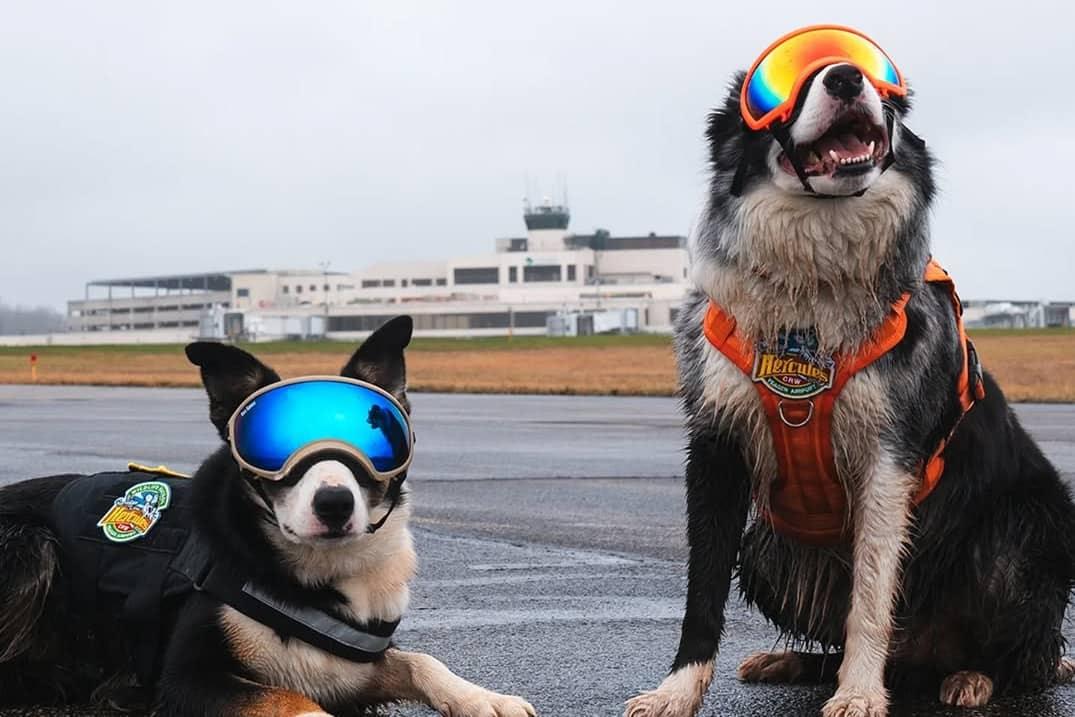
  • These 2 Pups Keep Airplanes Safe by Doing What They Love: Chasing Birds.
    two canines in West Virginia are actually keeping people safe while performing the same task. Border collies Hercules and Ned serve as team members at the West Virginia International Yeager Airport in Charleston. Their primary objective? To chase away animals that could collide with aircraft.

    Per the U.S. Fish & Wildlife Service, birds and other wildlife strikes cause over $900 million in damage to civil and military aircraft each year. These collisions can also be fatal: Since 1988, more than 250 people have been killed globally because of them. Together with their handler and the airport’s wildlife specialist, Chris Keyser, Hercules and Ned help reduce the chances of these dangerous instances occurring.

    The duo drives off deer, geese, starlings, killdeer, and other critters during regularly scheduled rounds, or after Keyser receives communication from airport traffic control towers regarding any wildlife near the taxiways.

    “I like making a difference here at the airport, keeping people safe who are flying in and out of here — and especially when somebody’s in a terminal and might be sad — or just putting a smile on everybody’s face, It makes me feel good, and it makes these dogs feel good too, because it makes them feel special.
    These 2 Pups Keep Airplanes Safe by Doing What They Love: Chasing Birds. two canines in West Virginia are actually keeping people safe while performing the same task. Border collies Hercules and Ned serve as team members at the West Virginia International Yeager Airport in Charleston. Their primary objective? To chase away animals that could collide with aircraft. ​ Per the U.S. Fish & Wildlife Service, birds and other wildlife strikes cause over $900 million in damage to civil and military aircraft each year. These collisions can also be fatal: Since 1988, more than 250 people have been killed globally because of them. Together with their handler and the airport’s wildlife specialist, Chris Keyser, Hercules and Ned help reduce the chances of these dangerous instances occurring. ​ The duo drives off deer, geese, starlings, killdeer, and other critters during regularly scheduled rounds, or after Keyser receives communication from airport traffic control towers regarding any wildlife near the taxiways. ​ “I like making a difference here at the airport, keeping people safe who are flying in and out of here — and especially when somebody’s in a terminal and might be sad — or just putting a smile on everybody’s face, It makes me feel good, and it makes these dogs feel good too, because it makes them feel special.
    Love
    1
    0 Kommentare 0 Anteile 11952 Ansichten
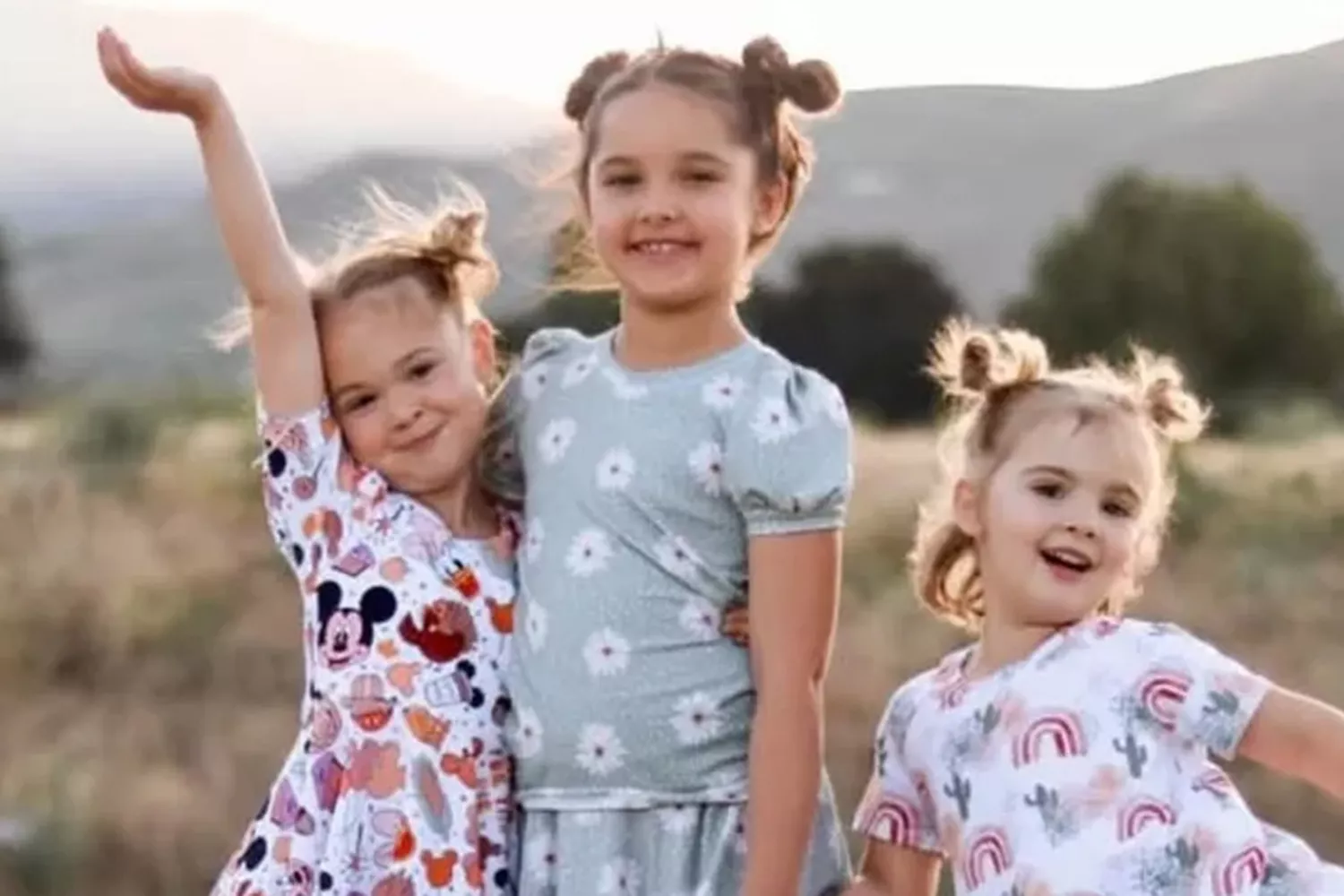
  • Autopsy Results Released for Decker Sisters, Who Police Believe Were Killed by Dad.

    The bodies of Paityn Decker, 9, Evelyn Decker, 8, and Olivia Decker, 5, were found on June 2 — three days after they were last seen with their father, Travis Decker, who remains missing.

    Authorities have announced the official causes of death for three girls who were alleged to have been killed by their father.

    Paityn Decker, 9, Evelyn Decker, 8, and Olivia Decker, 5, were found dead near the Rock Island Campground in Chelan County, Wash., on June 2, the Chelan County Sheriff's Office previously said. The girls were reported missing on May 30 after they had not returned from a planned visitation with their father, 32-year-old Travis Decker.

    In a press release shared with PEOPLE on Monday, June 9, the CCSO said an autopsy was completed by the medical examiner on Friday, June 6.

    "The cause of death was determined to be suffocation and the manner of death was determined to be homicide," the release states.

    The girls' bodies were located after authorities found Travis' pickup truck, in which the sheriff's office said investigators have since collected a "large amount of evidence" including many of his personal items, per the release.

    "The suspect’s dog was recovered and turned over to the humane society for safe care," the CCSO added. "Blood samples taken from the scene have come back positive for belonging to a male, and another was not human blood. Further DNA and fingerprint analyses are still being conducted."

    Travis remains missing and is wanted on charges of murder, kidnapping and custodial interference.

    As of 6 p.m. local time on Sunday, June 8, the CCSO handed over the search efforts for Travis to federal authorities but noted they are still leading the criminal investigation.

    "We had reached a point where we need to rest our local resources. Our command staff continues to be engaged with the search command while we give our teams time off to rest and recuperate and be ready to rejoin the search for, and capture of, the suspect," the release states.

    Amid the ongoing manhunt for Travis, authorities have been asking the public to come forward with any information and have shared several photos of him.

    Travis is 5'8" with black hair and brown eyes, and authorities have described him as posing "a significant risk if approached" due to his prior military experience.
    Authorities are asking anyone who has seen Travis to call 911 immediately. People can also call the CCSO tip line at 509-667-6845 or submit information to the tip line online.

    A GoFundMe campaign set up to help the girls' mother with expenses and legal costs amid the tragic loss of her three daughters has raised more than $1 million in donations as of Monday, June 9.
    #Murder, #Crime, #Children,
    Autopsy Results Released for Decker Sisters, Who Police Believe Were Killed by Dad. The bodies of Paityn Decker, 9, Evelyn Decker, 8, and Olivia Decker, 5, were found on June 2 — three days after they were last seen with their father, Travis Decker, who remains missing. Authorities have announced the official causes of death for three girls who were alleged to have been killed by their father. Paityn Decker, 9, Evelyn Decker, 8, and Olivia Decker, 5, were found dead near the Rock Island Campground in Chelan County, Wash., on June 2, the Chelan County Sheriff's Office previously said. The girls were reported missing on May 30 after they had not returned from a planned visitation with their father, 32-year-old Travis Decker. In a press release shared with PEOPLE on Monday, June 9, the CCSO said an autopsy was completed by the medical examiner on Friday, June 6. "The cause of death was determined to be suffocation and the manner of death was determined to be homicide," the release states. The girls' bodies were located after authorities found Travis' pickup truck, in which the sheriff's office said investigators have since collected a "large amount of evidence" including many of his personal items, per the release. "The suspect’s dog was recovered and turned over to the humane society for safe care," the CCSO added. "Blood samples taken from the scene have come back positive for belonging to a male, and another was not human blood. Further DNA and fingerprint analyses are still being conducted." Travis remains missing and is wanted on charges of murder, kidnapping and custodial interference. As of 6 p.m. local time on Sunday, June 8, the CCSO handed over the search efforts for Travis to federal authorities but noted they are still leading the criminal investigation. "We had reached a point where we need to rest our local resources. Our command staff continues to be engaged with the search command while we give our teams time off to rest and recuperate and be ready to rejoin the search for, and capture of, the suspect," the release states. Amid the ongoing manhunt for Travis, authorities have been asking the public to come forward with any information and have shared several photos of him. Travis is 5'8" with black hair and brown eyes, and authorities have described him as posing "a significant risk if approached" due to his prior military experience. Authorities are asking anyone who has seen Travis to call 911 immediately. People can also call the CCSO tip line at 509-667-6845 or submit information to the tip line online. A GoFundMe campaign set up to help the girls' mother with expenses and legal costs amid the tragic loss of her three daughters has raised more than $1 million in donations as of Monday, June 9. #Murder, #Crime, #Children,
    Like
    1
    0 Kommentare 0 Anteile 31448 Ansichten
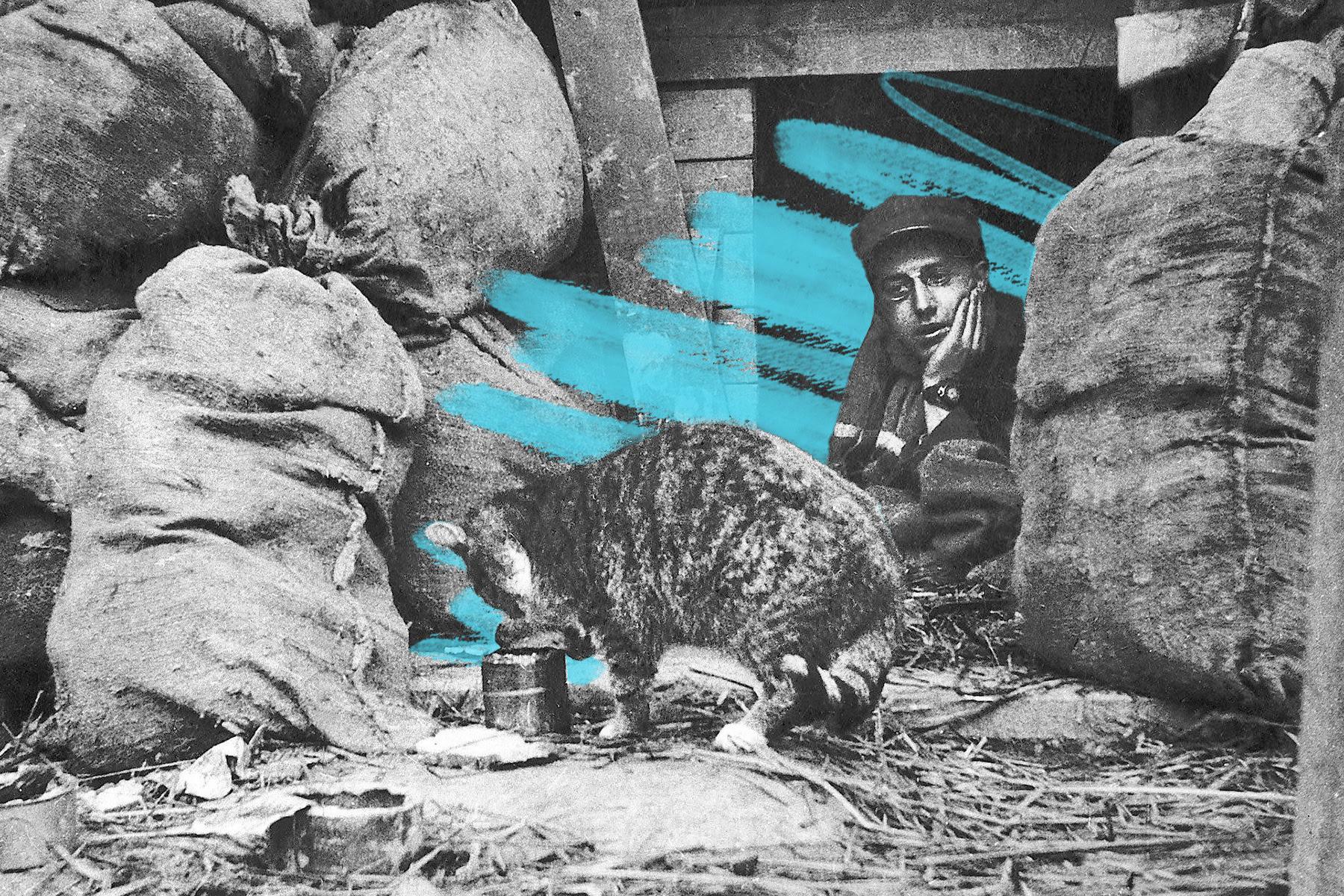
  • Why cats were in WWI trenches.

    The Great War was such a difficult time, some soldiers sought out the assistance and comfort of four-legged friends — including cats, who were used in the trenches to boost morale. Dogs, homing pigeons, foxes, goats, lion cubs, and even raccoons also served their countries as pets and mascots throughout the “war to end all wars,” and some even carried out official duties. Cats did a bit of both: Though most kitties simply kept their compatriots in good spirits by providing them with loyal companionship (and fending off rats), some also used their heightened sense of atmospheric pressure to detect bombs in advance.

    Not all feline soldiers’ deeds have gone unnoticed. Among the 75 animals who have received the PDSA Dickin Medal, which was established in 1943 to honor the military service of animals, is a cat named Simon. He served aboard the HMS Amethyst from 1948 to 1949 and received the medal for “disposing of many rats though wounded by shell blast. Throughout the incident his behavior was of the highest order, although the blast was capable of making a hole over a foot in diameter in a steel plate.” In a newsreel of the ship returning home, Simon is rightly referred to as “a hero in his own right.”

    Cats who served in World War I
    500,000

    Animals who served in World War I
    16 million

    Kittens produced by Dusty, a tabby cat born in 1935
    420

    Age of Creme Puff, the oldest known cat
    38

    Did you know?

    Calico cats are considered good luck.
    That’s the reason maneki-neko are so often depicted as calicos. The “beckoning cat” figurines found throughout Japan and at Japanese and Chinese establishments around the world are intended as tokens of good fortune, with one of their paws raised high in a waving motion. This dates back to the tradition of Japanese sailors traveling with calicos to bring about safe passage — the multicolored cats were believed to be able to chase away storms and ancestral ghosts. In the United States and England, meanwhile, male calicos are considered especially lucky because of their rarity.
    Why cats were in WWI trenches. The Great War was such a difficult time, some soldiers sought out the assistance and comfort of four-legged friends — including cats, who were used in the trenches to boost morale. Dogs, homing pigeons, foxes, goats, lion cubs, and even raccoons also served their countries as pets and mascots throughout the “war to end all wars,” and some even carried out official duties. Cats did a bit of both: Though most kitties simply kept their compatriots in good spirits by providing them with loyal companionship (and fending off rats), some also used their heightened sense of atmospheric pressure to detect bombs in advance. Not all feline soldiers’ deeds have gone unnoticed. Among the 75 animals who have received the PDSA Dickin Medal, which was established in 1943 to honor the military service of animals, is a cat named Simon. He served aboard the HMS Amethyst from 1948 to 1949 and received the medal for “disposing of many rats though wounded by shell blast. Throughout the incident his behavior was of the highest order, although the blast was capable of making a hole over a foot in diameter in a steel plate.” In a newsreel of the ship returning home, Simon is rightly referred to as “a hero in his own right.” Cats who served in World War I 500,000 Animals who served in World War I 16 million Kittens produced by Dusty, a tabby cat born in 1935 420 Age of Creme Puff, the oldest known cat 38 Did you know? Calico cats are considered good luck. That’s the reason maneki-neko are so often depicted as calicos. The “beckoning cat” figurines found throughout Japan and at Japanese and Chinese establishments around the world are intended as tokens of good fortune, with one of their paws raised high in a waving motion. This dates back to the tradition of Japanese sailors traveling with calicos to bring about safe passage — the multicolored cats were believed to be able to chase away storms and ancestral ghosts. In the United States and England, meanwhile, male calicos are considered especially lucky because of their rarity.
    Love
    1
    0 Kommentare 0 Anteile 19960 Ansichten
Gesponsert

AI-powered Business Social

Join Kiosk Social and get your business seen, build links, grow relationships, and have fun.