


• November 26, 1933
    Vigilantes in California lynch two suspected murderers.

    A mob of people in San Jose, California, storm the jail where Thomas Thurmond and John Holmes are being held as suspects in the kidnapping and murder of Brooke Hart, the 22-year-old son of a local storeowner. The mob of angry citizens proceeded to lynch the accused men and then pose them for pictures.

    On November 9, Brooke Hart was abducted by men in his own Studebaker. His family received a $40,000 ransom demand and, soon after, Hart’s wallet was found on a tanker ship in a nearby bay. The investigative trail led to Holmes and Thurmond, who implicated each other in separate confessions. Both acknowledged, though, that Hart had been pistol-whipped and then thrown off the San Mateo Bridge.

    After Hart’s body washed ashore on November 25, a vigilante mob began to form. Newspapers reported the possibility of a lynching and local radio stations broadcast the plan. Not only did Governor James Rolph reject the National Guard’s offer to send assistance, he reportedly said he would pardon those involved in the lynching.

    On November 26, the angry mob converged at the jail and beat the guards, using a battering ram to break into the cells. Thurmond and Holmes were dragged out and hanged from large trees in a nearby park.

    The public seemed to welcome the gruesome act of vigilante violence. After the incident, pieces of the lynching ropes were sold to the public. Though the San Jose News declined to publish pictures of the lynching, it condoned the act in an editorial. Seventeen-year-old Anthony Cataldi bragged that he had been the leader of the mob but he was not held accountable for his participation. At Stanford University, a professor asked his students to stand and applaud the lynching. Perhaps most disturbing, Governor Rolph publicly praised the mob. “The best lesson ever given the country,” said Governor Rolph. “I would like to parole all kidnappers in San Quentin to the fine, patriotic citizens of San Jose.”
    #TrueCrime, #Mob, #Vigilantes, #Murder, #Kidnappers, #Lynching,
    November 26, 1933 Vigilantes in California lynch two suspected murderers. A mob of people in San Jose, California, storm the jail where Thomas Thurmond and John Holmes are being held as suspects in the kidnapping and murder of Brooke Hart, the 22-year-old son of a local storeowner. The mob of angry citizens proceeded to lynch the accused men and then pose them for pictures. On November 9, Brooke Hart was abducted by men in his own Studebaker. His family received a $40,000 ransom demand and, soon after, Hart’s wallet was found on a tanker ship in a nearby bay. The investigative trail led to Holmes and Thurmond, who implicated each other in separate confessions. Both acknowledged, though, that Hart had been pistol-whipped and then thrown off the San Mateo Bridge. After Hart’s body washed ashore on November 25, a vigilante mob began to form. Newspapers reported the possibility of a lynching and local radio stations broadcast the plan. Not only did Governor James Rolph reject the National Guard’s offer to send assistance, he reportedly said he would pardon those involved in the lynching. On November 26, the angry mob converged at the jail and beat the guards, using a battering ram to break into the cells. Thurmond and Holmes were dragged out and hanged from large trees in a nearby park. The public seemed to welcome the gruesome act of vigilante violence. After the incident, pieces of the lynching ropes were sold to the public. Though the San Jose News declined to publish pictures of the lynching, it condoned the act in an editorial. Seventeen-year-old Anthony Cataldi bragged that he had been the leader of the mob but he was not held accountable for his participation. At Stanford University, a professor asked his students to stand and applaud the lynching. Perhaps most disturbing, Governor Rolph publicly praised the mob. “The best lesson ever given the country,” said Governor Rolph. “I would like to parole all kidnappers in San Quentin to the fine, patriotic citizens of San Jose.” #TrueCrime, #Mob, #Vigilantes, #Murder, #Kidnappers, #Lynching,
    0 Comentários 0 Compartilhamentos 4287 Visualizações
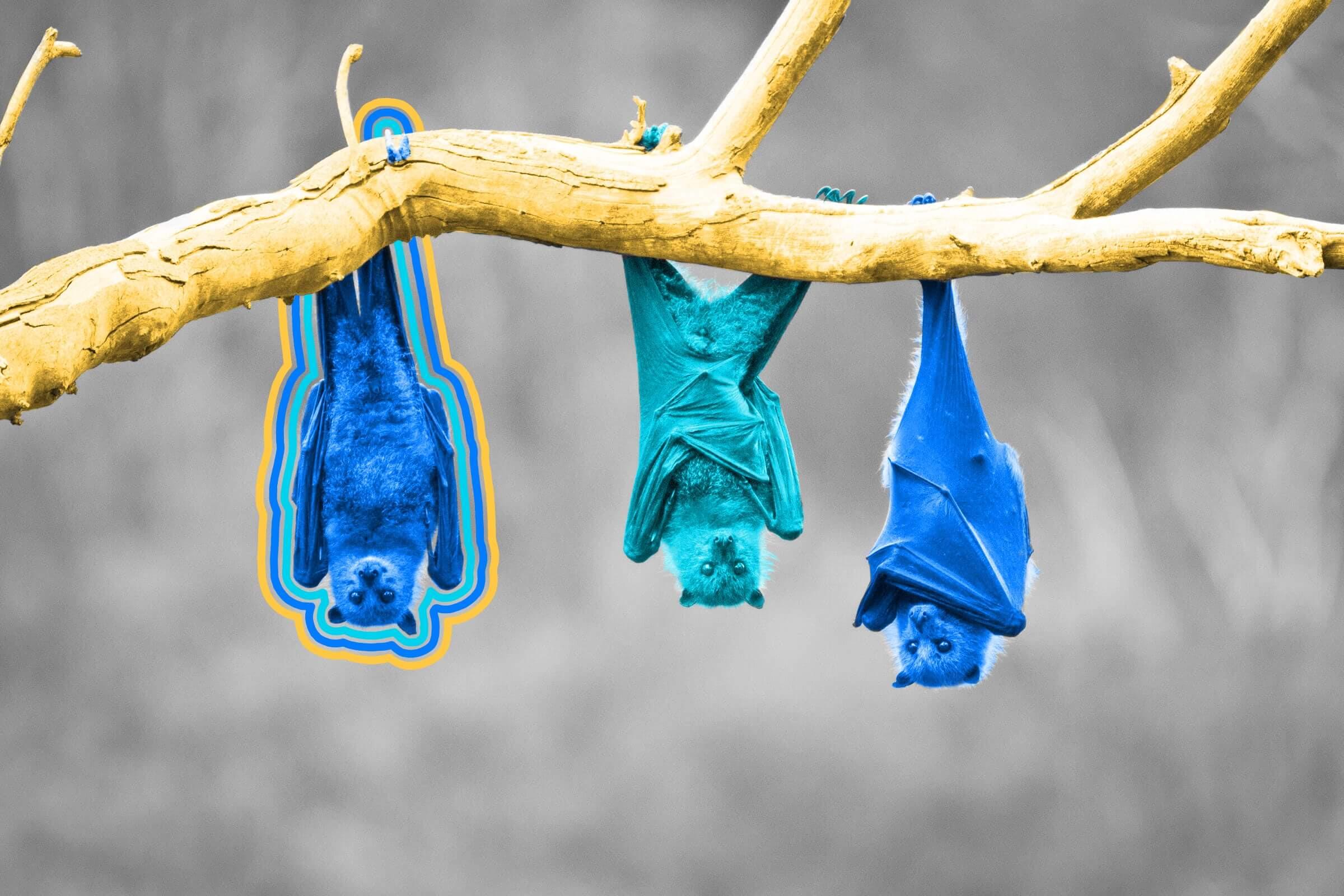
  • Bat species make up 21% of all mammals.

    Earth is home to a staggering number of creatures: By one estimate, more than 8.7 million species of plants and animals live on its lands and in its waters. Mammals, however, make up a small fraction of that number — just 6,495 species. If you’re wondering which warm-blooded animals are most numerous, glance to the night sky. That’s where you’ll probably find bats, which account for 21% of all the mammals in the world.

    The bat family boasts amazing diversity. The tiny bumblebee bat (only about an inch big) is the world’s smallest mammal, while the flying fox bat has a 5-foot wingspan. Scientists classify these mostly nocturnal creatures into two categories: microbats and megabats. Microbats are generally smaller, nighttime flyers that rely on echolocation to hunt insects, whereas megabats are often much larger, and some of them hunt in the daytime. Megabats primarily live in the tropics, where they use their larger eyes and better olfactory senses in place of echolocation to locate fruit for their meals.

    Bats have been around for more than 50 million years, which helps explain why they’re such a fine-tuned part of our ecosystem. Nectar-eating bats are master pollinators of more than 500 plant species (including cacao for chocolate and agave for tequila), thanks to their ability to fly and transport pollen further than bees. They’re also nature’s bug zappers, keeping mosquito, moth, and beetle populations in check. The flying insect hunters are so effective — eating half their body weight in bugs each night — that scientists credit them with saving U.S. farmers $1 billion in pesticides and crop damage each year. Bats even help combat deforestation by dropping seeds over barren areas: Bat-dropped seeds can account for up to 95% of regrowth in cleared forests in tropical areas, a huge accomplishment for such small creatures.


    Vampire bats create close friendships.
    Vampire bats are at best feared and at worst maligned as sinister predators, but chiropterologists (scientists who study bats) believe Desmodus rotundus are actually incredibly social animals that survive thanks to their selective, long-term friendships. Vampire bats, which live in Mexico, Central America, and South America, have genetic mutations that separate them from their fruit- and bug-eating brethren, affecting how they taste and digest their food. They only survive on blood (usually from livestock and birds), and consume nearly 1.4 times their body weight per meal to get the nutrients they need. But blood isn’t always readily available, which puts vampire bats at risk of starvation, especially since they must eat every 48 hours or so. Researchers think this could be why these flying mammals have learned to share food with family members, regurgitating the substance in a manner similar to how birds feed their young. But vampire bats will also help roost-mates they have close, nonfamilial relationships with — and those bats remember and return the favor, creating a long-term bond that increases both animals’ odds of survival. Researchers say watching these high-flying friendships develop can help us better understand how other social species (like humans) bond, too.
    Bat species make up 21% of all mammals. Earth is home to a staggering number of creatures: By one estimate, more than 8.7 million species of plants and animals live on its lands and in its waters. Mammals, however, make up a small fraction of that number — just 6,495 species. If you’re wondering which warm-blooded animals are most numerous, glance to the night sky. That’s where you’ll probably find bats, which account for 21% of all the mammals in the world. The bat family boasts amazing diversity. The tiny bumblebee bat (only about an inch big) is the world’s smallest mammal, while the flying fox bat has a 5-foot wingspan. Scientists classify these mostly nocturnal creatures into two categories: microbats and megabats. Microbats are generally smaller, nighttime flyers that rely on echolocation to hunt insects, whereas megabats are often much larger, and some of them hunt in the daytime. Megabats primarily live in the tropics, where they use their larger eyes and better olfactory senses in place of echolocation to locate fruit for their meals. Bats have been around for more than 50 million years, which helps explain why they’re such a fine-tuned part of our ecosystem. Nectar-eating bats are master pollinators of more than 500 plant species (including cacao for chocolate and agave for tequila), thanks to their ability to fly and transport pollen further than bees. They’re also nature’s bug zappers, keeping mosquito, moth, and beetle populations in check. The flying insect hunters are so effective — eating half their body weight in bugs each night — that scientists credit them with saving U.S. farmers $1 billion in pesticides and crop damage each year. Bats even help combat deforestation by dropping seeds over barren areas: Bat-dropped seeds can account for up to 95% of regrowth in cleared forests in tropical areas, a huge accomplishment for such small creatures. Vampire bats create close friendships. Vampire bats are at best feared and at worst maligned as sinister predators, but chiropterologists (scientists who study bats) believe Desmodus rotundus are actually incredibly social animals that survive thanks to their selective, long-term friendships. Vampire bats, which live in Mexico, Central America, and South America, have genetic mutations that separate them from their fruit- and bug-eating brethren, affecting how they taste and digest their food. They only survive on blood (usually from livestock and birds), and consume nearly 1.4 times their body weight per meal to get the nutrients they need. But blood isn’t always readily available, which puts vampire bats at risk of starvation, especially since they must eat every 48 hours or so. Researchers think this could be why these flying mammals have learned to share food with family members, regurgitating the substance in a manner similar to how birds feed their young. But vampire bats will also help roost-mates they have close, nonfamilial relationships with — and those bats remember and return the favor, creating a long-term bond that increases both animals’ odds of survival. Researchers say watching these high-flying friendships develop can help us better understand how other social species (like humans) bond, too.
    0 Comentários 0 Compartilhamentos 7188 Visualizações
  • Track where your referrals come from to refine your promotions.
    Track where your referrals come from to refine your promotions.
    0 Comentários 0 Compartilhamentos 5293 Visualizações
  • Before you set off, define exactly what you want to experience on your journey. https://medium.com/@dexeril974/when-ai-redefines-our-adventures-e42fe835a87a
    Before you set off, define exactly what you want to experience on your journey. https://medium.com/@dexeril974/when-ai-redefines-our-adventures-e42fe835a87a
    MEDIUM.COM
    When AI redefines our adventures
    Visualize a universe where artificial intelligence organizes your stays, anticipates your desires, and takes you to places you never…
    0 Comentários 0 Compartilhamentos 4874 Visualizações
  • Before you set off, define exactly what you want to experience on your journey. https://medium.com/@dexeril974/when-ai-redefines-our-adventures-e42fe835a87a
    Before you set off, define exactly what you want to experience on your journey. https://medium.com/@dexeril974/when-ai-redefines-our-adventures-e42fe835a87a
    MEDIUM.COM
    When AI redefines our adventures
    Visualize a universe where artificial intelligence organizes your stays, anticipates your desires, and takes you to places you never…
    Like
    1
    0 Comentários 0 Compartilhamentos 4990 Visualizações
  • April 16th, 2007
    Virginia Tech shooting leaves 32 dead.

    On April 16, 2007, 32 people died after being gunned down on the campus of Virginia Tech by Seung-Hui Cho, a student at the college who later died by suicide.

    The Virginia Tech shooting began around 7:15 a.m., when Cho, a 23-year-old senior and English major at Blacksburg-based Virginia Polytechnic Institute and State University, shot a female freshman and a male resident assistant in a campus dormitory before fleeing the building.

    Police were soon on the scene; unaware of the gunman’s identity, they initially pursued the female victim’s boyfriend as a suspect in what they believed to be an isolated domestic-violence incident.

    However, at around 9:40 a.m., Cho, armed with a 9-millimeter handgun, a 22-caliber handgun and hundreds of rounds of ammunition, entered a classroom building, chained and locked several main doors and went from room to room shooting people. Approximately 10 minutes after the rampage began, he died from a self-inflicted gunshot wound.

    The attack left 32 people dead and more than a dozen wounded. In all, 27 students and five faculty members died in the massacre.

    Two days later, on April 18, NBC News received a package of materials from Cho with a timestamp indicating he had mailed it from a Virginia post office between the first and second shooting attacks. Contained in the package were photos of a gun-wielding Cho, along with a rambling video diatribe in which he ranted about wealthy “brats,” among other topics.

    In the aftermath of the Virginia Tech shooting, authorities found no evidence that Cho, who was born in South Korea and moved to America with his family in 1992, had specifically targeted any of his victims. The public soon learned that Cho, described by students as a loner who rarely spoke to anyone, had a history of mental health problems.

    It was also revealed that angry, violent writings Cho made for certain class assignments had raised concern among some of his professors and fellow students well before the events of April 16. In 2011, Virginia Tech was fined by the U.S. Department of Education for failing to issue a prompt campus-wide warning after Cho shot his first two victims.
    #Crime, #Virginia, #Shooting,
    April 16th, 2007 Virginia Tech shooting leaves 32 dead. On April 16, 2007, 32 people died after being gunned down on the campus of Virginia Tech by Seung-Hui Cho, a student at the college who later died by suicide. The Virginia Tech shooting began around 7:15 a.m., when Cho, a 23-year-old senior and English major at Blacksburg-based Virginia Polytechnic Institute and State University, shot a female freshman and a male resident assistant in a campus dormitory before fleeing the building. Police were soon on the scene; unaware of the gunman’s identity, they initially pursued the female victim’s boyfriend as a suspect in what they believed to be an isolated domestic-violence incident. However, at around 9:40 a.m., Cho, armed with a 9-millimeter handgun, a 22-caliber handgun and hundreds of rounds of ammunition, entered a classroom building, chained and locked several main doors and went from room to room shooting people. Approximately 10 minutes after the rampage began, he died from a self-inflicted gunshot wound. The attack left 32 people dead and more than a dozen wounded. In all, 27 students and five faculty members died in the massacre. Two days later, on April 18, NBC News received a package of materials from Cho with a timestamp indicating he had mailed it from a Virginia post office between the first and second shooting attacks. Contained in the package were photos of a gun-wielding Cho, along with a rambling video diatribe in which he ranted about wealthy “brats,” among other topics. In the aftermath of the Virginia Tech shooting, authorities found no evidence that Cho, who was born in South Korea and moved to America with his family in 1992, had specifically targeted any of his victims. The public soon learned that Cho, described by students as a loner who rarely spoke to anyone, had a history of mental health problems. It was also revealed that angry, violent writings Cho made for certain class assignments had raised concern among some of his professors and fellow students well before the events of April 16. In 2011, Virginia Tech was fined by the U.S. Department of Education for failing to issue a prompt campus-wide warning after Cho shot his first two victims. #Crime, #Virginia, #Shooting,
    0 Comentários 0 Compartilhamentos 26439 Visualizações
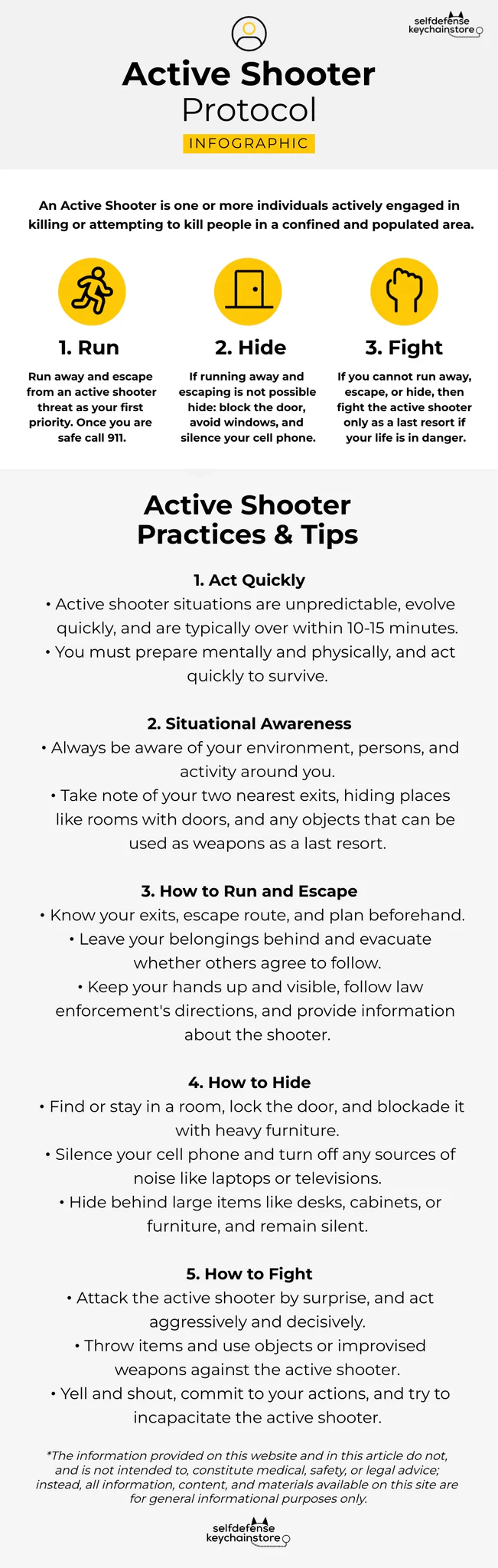
  • Active Shooter Definition
    An Active Shooter is one or more individuals actively engaged in killing or attempting to kill people in a confined and populated area.

    Active Shooter Protocol
    1. Run & Escape
    Run away and escape from an active shooter threat as your first priority. Once you are safe call 911.

    2. Hide
    Hide if running away and escaping is not possible: block the door, avoid windows, and silence your cell phone.

    3. Fight
    If you cannot run away, escape, or hide, then fight the active shooter only as a last resort if your life is in danger.

    Active Shooter Practices & Tips
    Act Quickly
    Active shooter situations are unpredictable, evolve quickly, and are typically over within 10-15 minutes.
    You must prepare mentally and physically, and act quickly to survive.
    Situational Awareness
    Always be aware of your environment, persons, and activity around you.
    Take note of your two nearest exits, hiding places like rooms with doors, and any objects that can be used as weapons as a last resort.
    How To Run & Escape
    Know your exits, escape route, and plan beforehand.
    Leave your belongings behind and evacuate whether others agree to follow.
    Keep your hands up and visible, follow law enforcement's directions, and provide information about the shooter.
    How to Hide
    Find or stay in a room, lock the door, and blockade it with heavy furniture.
    Silence your cell phone and turn off any sources of noise like laptops or televisions.
    Hide behind large items like desks, cabinets, or furniture, and remain silent.
    How to Fight
    Attack the active shooter by surprise, and act aggressively and decisively.
    Throw items and use objects or improvised weapons against the active shooter.
    Yell and shout, commit to your actions, and try to incapacitate the active shooter.
    #armyourself
    Active Shooter Definition An Active Shooter is one or more individuals actively engaged in killing or attempting to kill people in a confined and populated area. Active Shooter Protocol 1. Run & Escape Run away and escape from an active shooter threat as your first priority. Once you are safe call 911. 2. Hide Hide if running away and escaping is not possible: block the door, avoid windows, and silence your cell phone. 3. Fight If you cannot run away, escape, or hide, then fight the active shooter only as a last resort if your life is in danger. Active Shooter Practices & Tips Act Quickly Active shooter situations are unpredictable, evolve quickly, and are typically over within 10-15 minutes. You must prepare mentally and physically, and act quickly to survive. Situational Awareness Always be aware of your environment, persons, and activity around you. Take note of your two nearest exits, hiding places like rooms with doors, and any objects that can be used as weapons as a last resort. How To Run & Escape Know your exits, escape route, and plan beforehand. Leave your belongings behind and evacuate whether others agree to follow. Keep your hands up and visible, follow law enforcement's directions, and provide information about the shooter. How to Hide Find or stay in a room, lock the door, and blockade it with heavy furniture. Silence your cell phone and turn off any sources of noise like laptops or televisions. Hide behind large items like desks, cabinets, or furniture, and remain silent. How to Fight Attack the active shooter by surprise, and act aggressively and decisively. Throw items and use objects or improvised weapons against the active shooter. Yell and shout, commit to your actions, and try to incapacitate the active shooter. #armyourself
    0 Comentários 0 Compartilhamentos 16458 Visualizações
  • How the mystery was solved.

    Jane had always been an avid pet lover her whole life. She couldn't stand to see animals hurt or suffering so needless to say she had quite a collection of unwanted pets that cherished her.

    On her way to the grocery store one evening she had to take a side street due to an accident. She was passing through an older neighbor- hood when something caught her eye and she immediately stopped the car.

    In a front yard was a dog tied to a chain with no food, water or shade. This infuriated her so much that she knew she had to do something. She went to the house and knocked on the door, looked in the windows and to her surprise the house was empty. Someone moved out and left their dog!

    Jane knew she had just inherited a new friend. She got the dog home, bathed and fed. She named him Lucky. Lucky quickly found his place in the pack and loved his new home.

    Shortly after, Jane became concerned because items around the house would go missing. She suspected it to be Lucky because things like this never happened before. Bread would be missing from the counter. They had gone through 2 TV remotes in a month.

    So Jane invested in the 1280P HD Fish Eye 3.0 MP Camera with Wi-Fi and DVR that you can view anywhere you have Internet. She easily installed it on her hutch in her living room and waited.


    Lucky dodged the cameras for the first few days. He must have known something was going on. But it wasn't long after he was up to the tricks Jane suspect he was playing.

    Lucky would take random items from all over the house and hide them under Jane's bed. Jane couldn't wait to get home and discover his treasure trove.

    Jane couldn't believe all of the items Lucky had hidden. He never destroyed anything, he just collected them.

    Lucky is now confined to the common areas of the house where he cannot secretly hide things. And Jane still uses her 1280P HD Fish Eye 3.0 MP Camera with Wi-Fi and DVR to keep an eye on her babies.

    Dedicated to your Peace of Mind & Real Security,


    PS: Most people are "under-protected" and admit that "they ought to buy these products unfortunately after it’s too late. Don’t let that happen to you.
    How the mystery was solved. Jane had always been an avid pet lover her whole life. She couldn't stand to see animals hurt or suffering so needless to say she had quite a collection of unwanted pets that cherished her. On her way to the grocery store one evening she had to take a side street due to an accident. She was passing through an older neighbor- hood when something caught her eye and she immediately stopped the car. In a front yard was a dog tied to a chain with no food, water or shade. This infuriated her so much that she knew she had to do something. She went to the house and knocked on the door, looked in the windows and to her surprise the house was empty. Someone moved out and left their dog! Jane knew she had just inherited a new friend. She got the dog home, bathed and fed. She named him Lucky. Lucky quickly found his place in the pack and loved his new home. Shortly after, Jane became concerned because items around the house would go missing. She suspected it to be Lucky because things like this never happened before. Bread would be missing from the counter. They had gone through 2 TV remotes in a month. So Jane invested in the 1280P HD Fish Eye 3.0 MP Camera with Wi-Fi and DVR that you can view anywhere you have Internet. She easily installed it on her hutch in her living room and waited. Lucky dodged the cameras for the first few days. He must have known something was going on. But it wasn't long after he was up to the tricks Jane suspect he was playing. Lucky would take random items from all over the house and hide them under Jane's bed. Jane couldn't wait to get home and discover his treasure trove. Jane couldn't believe all of the items Lucky had hidden. He never destroyed anything, he just collected them. Lucky is now confined to the common areas of the house where he cannot secretly hide things. And Jane still uses her 1280P HD Fish Eye 3.0 MP Camera with Wi-Fi and DVR to keep an eye on her babies. Dedicated to your Peace of Mind & Real Security, PS: Most people are "under-protected" and admit that "they ought to buy these products unfortunately after it’s too late. Don’t let that happen to you.
    ARMYOURSELF.US
    Arm Yourself
    Welcome To Arm Yourself, Your Safety Is My Concern.
    0 Comentários 0 Compartilhamentos 13279 Visualizações
Patrocinado

AI-powered Business Social

Join Kiosk Social and get your business seen, build links, grow relationships, and have fun.