• “The Lesson Life Forced Me to Learn”

    Life will keep repeating the same lesson…
    Until you finally learn it.

    For me, that lesson was money management.

    No matter how much I earned,
    I always felt broke.

    Not because I was irresponsible —
    But because no one ever taught me HOW to manage money properly.

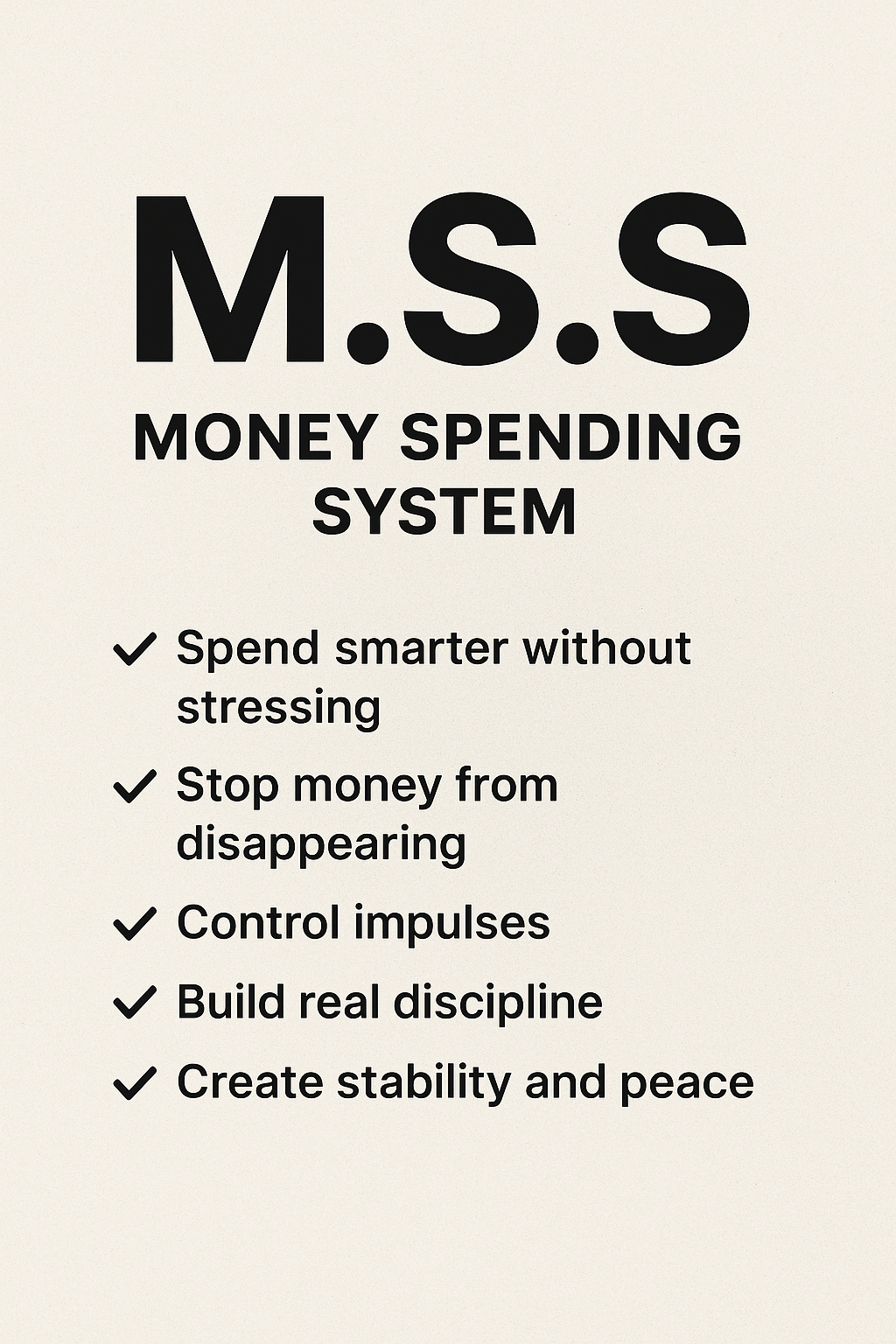
    The day I learned the M.S.S system,
    It was like someone finally turned the light on.

    It’s not about working harder.
    It’s about working smarter.

    “The Lesson Life Forced Me to Learn” Life will keep repeating the same lesson… Until you finally learn it. For me, that lesson was money management. No matter how much I earned, I always felt broke. Not because I was irresponsible — But because no one ever taught me HOW to manage money properly. The day I learned the M.S.S system, It was like someone finally turned the light on. It’s not about working harder. It’s about working smarter.
    0 Σχόλια 0 Μοιράστηκε 556 Views
  • PREPAREDNESS TEST
    1. Has your family rehearsed fire escape routes from your home? YES - NO
    2. Does your family know what to do before, during, and after an earthquake or YES - NO
    other emergency situation?
    3. Do you have heavy objects hanging over beds that can fall during an earthquake? YES - NO
    4. Do you have access to an operational flashlight in every occupied bedroom?
    (use of candles is not recommended unless you are sure there is no leaking gas) YES - NO
    5. Do you keep shoes near your bed to protect your feet against broken glass? YES - NO
    6. If a water line was ruptured during an earthquake, do you know how to shut off the
    main water line to your house? YES - NO
    7. Can this water valve be turned off by hand without the use of a tool?
    Do you have a tool if one is needed? YES - NO
    8. Do you know where the main gas shut-off valve to your house is located? YES - NO
    9. If you smell gas, do you know how and would you be able to shut off this valve? YES - NO
    10. Gas valves usually cannot be turned off by hand. Is there a tool near your valve? YES - NO
    11. Would you be able to safely restart your furnace when gas is safely available? YES - NO
    12. Do you have working smoke alarms in the proper places to warn you of fi re? YES - NO
    13. In case of a minor fi re, do you have a fi re extinguisher that you know how to use? YES - NO
    14. Do you have duplicate keys and copies of important insurance and other papers
    stored outside your home? YES - No
    15. Do you have a functional emergency radio to receive emergency information? YES - NO
    16. If your family had to evacuate your home, have you identified a meeting place? YES - NO

    IF AN EMERGENCY LASTED FOR THREE DAYS ( 72 HOURS) BEFORE HELP WAS AVAILABLE
    TO YOU AND YOUR FAMILY......................................

    17. Would you have sufficient food? YES - NO
    18. Would you have the means to cook food without gas and electricity? YES - NO
    19. Would you have sufficient water for drinking, cooking, and sanitary needs? YES - NO
    20. Do you have access to a 72 hour evacuation kit? YES - NO
    21. Would you be able to carry or transport these kits? YES - NO
    22. Have you established an out-of-state contact? YES - NO
    23. Do you have a first aid kit in your home and in each car? YES - NO
    24. Do you have work gloves and some tools for minor rescue and clean up? YES - NO
    25. Do you have emergency cash on hand? (During emergencies banks and ATMs are closed) YES - NO
    26. Without electricity and gas do you have a way to heat at least part of your house? YES - NO
    27. If you need medications, do you have a month’s supply on hand? YES - NO
    28. Do you have a plan for toilet facilities if there is an extended water shortage? YES - NO
    29. Do you have a supply of food, clothing, and fuel where appropriate:
    For 6 months? For a year? YES - NO
    These are all questions that need answers if you are to be safe in an emergency.
    If you answered ‘No’ to any of them, its now time to work on getting those items done.
    PREPAREDNESS TEST 1. Has your family rehearsed fire escape routes from your home? YES - NO 2. Does your family know what to do before, during, and after an earthquake or YES - NO other emergency situation? 3. Do you have heavy objects hanging over beds that can fall during an earthquake? YES - NO 4. Do you have access to an operational flashlight in every occupied bedroom? (use of candles is not recommended unless you are sure there is no leaking gas) YES - NO 5. Do you keep shoes near your bed to protect your feet against broken glass? YES - NO 6. If a water line was ruptured during an earthquake, do you know how to shut off the main water line to your house? YES - NO 7. Can this water valve be turned off by hand without the use of a tool? Do you have a tool if one is needed? YES - NO 8. Do you know where the main gas shut-off valve to your house is located? YES - NO 9. If you smell gas, do you know how and would you be able to shut off this valve? YES - NO 10. Gas valves usually cannot be turned off by hand. Is there a tool near your valve? YES - NO 11. Would you be able to safely restart your furnace when gas is safely available? YES - NO 12. Do you have working smoke alarms in the proper places to warn you of fi re? YES - NO 13. In case of a minor fi re, do you have a fi re extinguisher that you know how to use? YES - NO 14. Do you have duplicate keys and copies of important insurance and other papers stored outside your home? YES - No 15. Do you have a functional emergency radio to receive emergency information? YES - NO 16. If your family had to evacuate your home, have you identified a meeting place? YES - NO IF AN EMERGENCY LASTED FOR THREE DAYS ( 72 HOURS) BEFORE HELP WAS AVAILABLE TO YOU AND YOUR FAMILY...................................... 17. Would you have sufficient food? YES - NO 18. Would you have the means to cook food without gas and electricity? YES - NO 19. Would you have sufficient water for drinking, cooking, and sanitary needs? YES - NO 20. Do you have access to a 72 hour evacuation kit? YES - NO 21. Would you be able to carry or transport these kits? YES - NO 22. Have you established an out-of-state contact? YES - NO 23. Do you have a first aid kit in your home and in each car? YES - NO 24. Do you have work gloves and some tools for minor rescue and clean up? YES - NO 25. Do you have emergency cash on hand? (During emergencies banks and ATMs are closed) YES - NO 26. Without electricity and gas do you have a way to heat at least part of your house? YES - NO 27. If you need medications, do you have a month’s supply on hand? YES - NO 28. Do you have a plan for toilet facilities if there is an extended water shortage? YES - NO 29. Do you have a supply of food, clothing, and fuel where appropriate: For 6 months? For a year? YES - NO These are all questions that need answers if you are to be safe in an emergency. If you answered ‘No’ to any of them, its now time to work on getting those items done.
    Like
    1
    0 Σχόλια 0 Μοιράστηκε 1062 Views
  • Are YOU Taking Your Fiber???
    Over 95% OF US aren’t getting enough FIBER!
    and it shows up in countless ways:
    Sluggish digestion
    Poor gut health
    Low energy
    Blood sugar spikes
    Hunger and cravings
    Difficulty losing weight
    Increased inflammation
    Fiber is one of the most important nutrients for overall health.
    It supports a strong gut microbiome, improves digestion, helps control appetite, balances blood sugar, reduces toxins, and even supports heart health.
    When fiber is missing, everything feels a little harder.
    When fiber is consistent, everything starts working better.
    That’s why LiveGood created one of the cleanest and highest-quality organic fiber formulas anywhere:
    8 grams of clean, Organic Fiber
    USDA-certified organic ingredients
    No fillers, no artificial junk
    Mixes easily with water, greens, protein, or smoothies
    And the best part?
    Just $14.95 for members!
    Other brands charge double — even triple — for lower-quality formulas.
    Daily fiber isn’t optional.
    It’s foundational.
    Highest Quality Products. Lowest Prices. Every Day.
    That’s the LiveGood difference.
    https://www.livegood.com/organicFiber/javrie
    🌱 Are YOU Taking Your Fiber??? Over 95% OF US aren’t getting enough FIBER! and it shows up in countless ways: Sluggish digestion Poor gut health Low energy Blood sugar spikes Hunger and cravings Difficulty losing weight Increased inflammation Fiber is one of the most important nutrients for overall health. It supports a strong gut microbiome, improves digestion, helps control appetite, balances blood sugar, reduces toxins, and even supports heart health. When fiber is missing, everything feels a little harder. When fiber is consistent, everything starts working better. That’s why LiveGood created one of the cleanest and highest-quality organic fiber formulas anywhere: 💚 8 grams of clean, Organic Fiber 💚 USDA-certified organic ingredients 💚 No fillers, no artificial junk 💚 Mixes easily with water, greens, protein, or smoothies And the best part? 👉 Just $14.95 for members! Other brands charge double — even triple — for lower-quality formulas. Daily fiber isn’t optional. It’s foundational. Highest Quality Products. Lowest Prices. Every Day. That’s the LiveGood difference. https://www.livegood.com/organicFiber/javrie
    Like
    1
    0 Σχόλια 0 Μοιράστηκε 1704 Views
  • FINANCIAL PREPAREDNESS

    Financial preparedness is one of the most important parts of survival, yet most people ignore it. A crisis is not only about food, water, and safety. It is also about money. During emergencies people lose jobs, banks close, cards stop working, and the cost of basic items goes up instantly. When your finances are stable, every crisis becomes easier to handle.

    Why Financial Preparedness Matters
    Most families are one or two paychecks away from disaster. If your income stopped today, how long could you survive. Financial stress is one of the fastest ways people lose control during a crisis. Bills pile up. Food becomes expensive. Gas becomes expensive. If you have no savings and no plan, panic takes over. Financial preparedness removes that fear.

    Emergency Cash
    Cash is still one of the strongest tools in an emergency. When cards go down or banks freeze for a few days, cash is the only thing that works. Keep some at home in a safe, hidden place. Even a small amount can help you buy food, water, gas, or supplies when everyone else is stuck waiting for systems to come back online. Cash also lets you move faster during a crisis instead of depending on technology.

    Staying Out Of Debt
    Debt is a silent threat. In an economic downturn debt becomes heavy. Interest goes up. Payments become harder. Falling behind damages your credit and adds unnecessary stress. Pay down your high interest debt as much as you can. Even slow progress helps. The less debt you carry, the stronger your financial position becomes during any emergency.

    Building A Small Emergency Fund
    You do not need thousands of dollars sitting in the bank to start. Begin with a small goal. One hundred dollars. Then three hundred. Then five hundred. Build it slowly. This money protects you from surprise bills, medical problems, car repairs, or sudden job loss. An emergency fund turns a crisis into an inconvenience instead of a disaster.

    Keeping Expenses Low
    Preparedness is not only about adding things. It is also about removing the things that drain you. High monthly bills, unnecessary subscriptions, and constant spending weaken your ability to prepare. Keep your life simple. Focus on what matters. The lower your expenses, the easier it is to survive unpredictable situations.

    Essential Supplies Before Luxury
    Some people buy luxury items before they build a real prepper foundation. A strong financial strategy means buying what you need before buying what you want. Food, water, medical supplies, and basic gear should come first. These items save your life. Everything else can wait.

    Diversifying Your Income
    If you only have one source of income, you are vulnerable. A layoff, a shutdown, or a company bankruptcy can change your entire life overnight. Look for small ways to create additional income. Selling items, freelance work, online side jobs, or learning a valuable skill. Even a small second income stream gives you more stability.

    Recognizing Economic Red Flags
    Learn to pay attention to the signs of economic trouble. Rising prices. Job layoffs. Supply shortages. Government spending. Bank instability. None of these mean panic. They simply mean awareness. When you see these signs, you tighten your budget and increase your preparedness.

    Financial preparedness gives you freedom. It gives you control over your life when the world becomes unpredictable. When your finances are stable, you make better decisions, move with confidence, and protect your family without stress.
    FINANCIAL PREPAREDNESS Financial preparedness is one of the most important parts of survival, yet most people ignore it. A crisis is not only about food, water, and safety. It is also about money. During emergencies people lose jobs, banks close, cards stop working, and the cost of basic items goes up instantly. When your finances are stable, every crisis becomes easier to handle. Why Financial Preparedness Matters Most families are one or two paychecks away from disaster. If your income stopped today, how long could you survive. Financial stress is one of the fastest ways people lose control during a crisis. Bills pile up. Food becomes expensive. Gas becomes expensive. If you have no savings and no plan, panic takes over. Financial preparedness removes that fear. Emergency Cash Cash is still one of the strongest tools in an emergency. When cards go down or banks freeze for a few days, cash is the only thing that works. Keep some at home in a safe, hidden place. Even a small amount can help you buy food, water, gas, or supplies when everyone else is stuck waiting for systems to come back online. Cash also lets you move faster during a crisis instead of depending on technology. Staying Out Of Debt Debt is a silent threat. In an economic downturn debt becomes heavy. Interest goes up. Payments become harder. Falling behind damages your credit and adds unnecessary stress. Pay down your high interest debt as much as you can. Even slow progress helps. The less debt you carry, the stronger your financial position becomes during any emergency. Building A Small Emergency Fund You do not need thousands of dollars sitting in the bank to start. Begin with a small goal. One hundred dollars. Then three hundred. Then five hundred. Build it slowly. This money protects you from surprise bills, medical problems, car repairs, or sudden job loss. An emergency fund turns a crisis into an inconvenience instead of a disaster. Keeping Expenses Low Preparedness is not only about adding things. It is also about removing the things that drain you. High monthly bills, unnecessary subscriptions, and constant spending weaken your ability to prepare. Keep your life simple. Focus on what matters. The lower your expenses, the easier it is to survive unpredictable situations. Essential Supplies Before Luxury Some people buy luxury items before they build a real prepper foundation. A strong financial strategy means buying what you need before buying what you want. Food, water, medical supplies, and basic gear should come first. These items save your life. Everything else can wait. Diversifying Your Income If you only have one source of income, you are vulnerable. A layoff, a shutdown, or a company bankruptcy can change your entire life overnight. Look for small ways to create additional income. Selling items, freelance work, online side jobs, or learning a valuable skill. Even a small second income stream gives you more stability. Recognizing Economic Red Flags Learn to pay attention to the signs of economic trouble. Rising prices. Job layoffs. Supply shortages. Government spending. Bank instability. None of these mean panic. They simply mean awareness. When you see these signs, you tighten your budget and increase your preparedness. Financial preparedness gives you freedom. It gives you control over your life when the world becomes unpredictable. When your finances are stable, you make better decisions, move with confidence, and protect your family without stress.
    Love
    1
    0 Σχόλια 0 Μοιράστηκε 5028 Views
  • BUG OUT BAGS

    A bug out bag is your emergency lifeline. It is the one bag you grab when you need to leave your home fast. Fires, chemical spills, civil unrest, floods, gas leaks, and sudden evacuations all happen with zero warning. When you have a proper bag ready, you can leave instantly without scrambling to find your essentials.

    What A Real Bug Out Bag Should Do
    A bug out bag should keep you alive for at least seventy two hours. That means food, water, shelter, clothing, tools, and medical supplies. It should be packed in a way that you can carry comfortably. It should not be overloaded. A heavy bag slows you down and becomes a liability.

    Food
    You do not need gourmet meals in a bug out bag. Focus on simple and lightweight food. Energy bars, nuts, jerky, tuna packets, instant oatmeal, and freeze dried meals. Choose food that gives you calories without taking up too much space. Pack at least one full day of easy to eat food and two days of backup items.

    Water
    Always keep one or two small water bottles in your bag. Then add a compact water filter. This gives you a way to refill from rivers, ponds, or taps that might not be safe. Water is heavy so you rely on the filter more than the bottles. You need both.

    Shelter
    Your shelter items should protect you from cold, rain, and wind. Pack a lightweight tarp or emergency bivy, a survival blanket, and some cordage. These items keep you warm and dry and take up very little room. Weather is one of the biggest killers in emergencies. Do not skip shelter gear.

    Clothing
    Pack a spare pair of socks, a spare shirt, and a warm layer. Wet clothes drain your body heat fast. Dry socks alone can keep you moving. Choose clothing that dries quickly and can handle rough conditions.

    Medical Supplies
    Include a small but serious kit. Bandages, gauze, antiseptic wipes, pain relievers, blister care, and a tourniquet if you know how to use it. Even basic items can save your life when you are far from help. A bug out bag without medical supplies is incomplete.

    Tools
    A few simple tools make everything easier. A good knife, a lighter, waterproof matches, a small flashlight, extra batteries, a power bank, and some paracord. These tools help you build shelter, light your path, cook, and communicate. Choose reliable gear that you trust.

    Navigation
    Your phone is helpful but it can lose signal or battery. Add a simple map of your area and a basic compass. Even if you never used a compass before, it can still guide you in the right direction when everything else fails.

    Packing Smart
    Heavy items go at the bottom and close to your back. Light items go on top. Keep the things you use often near the front so you can grab them quickly. Test your bag by walking around with it. If it hurts your shoulders or feels awkward, adjust it before an emergency happens.

    Where To Store It
    Keep your bag in the same place at all times. A closet near the front door is perfect. Make sure every family member knows where it is and knows not to move it. During a real evacuation, seconds matter.

    Common Mistakes
    Some people pack too much gear. Others pack almost nothing. Some forget water entirely. Some buy cheap bags that rip. The biggest mistake is letting your bug out bag sit for years without updating it. Check it every few months. Replace expired food. Charge the power bank. Make sure everything is still working.

    A bug out bag gives you mobility and freedom. When you have one ready, you never feel trapped. You know you can leave your home safely and survive long enough to find shelter, family, or help.

    BUG OUT BAGS A bug out bag is your emergency lifeline. It is the one bag you grab when you need to leave your home fast. Fires, chemical spills, civil unrest, floods, gas leaks, and sudden evacuations all happen with zero warning. When you have a proper bag ready, you can leave instantly without scrambling to find your essentials. What A Real Bug Out Bag Should Do A bug out bag should keep you alive for at least seventy two hours. That means food, water, shelter, clothing, tools, and medical supplies. It should be packed in a way that you can carry comfortably. It should not be overloaded. A heavy bag slows you down and becomes a liability. Food You do not need gourmet meals in a bug out bag. Focus on simple and lightweight food. Energy bars, nuts, jerky, tuna packets, instant oatmeal, and freeze dried meals. Choose food that gives you calories without taking up too much space. Pack at least one full day of easy to eat food and two days of backup items. Water Always keep one or two small water bottles in your bag. Then add a compact water filter. This gives you a way to refill from rivers, ponds, or taps that might not be safe. Water is heavy so you rely on the filter more than the bottles. You need both. Shelter Your shelter items should protect you from cold, rain, and wind. Pack a lightweight tarp or emergency bivy, a survival blanket, and some cordage. These items keep you warm and dry and take up very little room. Weather is one of the biggest killers in emergencies. Do not skip shelter gear. Clothing Pack a spare pair of socks, a spare shirt, and a warm layer. Wet clothes drain your body heat fast. Dry socks alone can keep you moving. Choose clothing that dries quickly and can handle rough conditions. Medical Supplies Include a small but serious kit. Bandages, gauze, antiseptic wipes, pain relievers, blister care, and a tourniquet if you know how to use it. Even basic items can save your life when you are far from help. A bug out bag without medical supplies is incomplete. Tools A few simple tools make everything easier. A good knife, a lighter, waterproof matches, a small flashlight, extra batteries, a power bank, and some paracord. These tools help you build shelter, light your path, cook, and communicate. Choose reliable gear that you trust. Navigation Your phone is helpful but it can lose signal or battery. Add a simple map of your area and a basic compass. Even if you never used a compass before, it can still guide you in the right direction when everything else fails. Packing Smart Heavy items go at the bottom and close to your back. Light items go on top. Keep the things you use often near the front so you can grab them quickly. Test your bag by walking around with it. If it hurts your shoulders or feels awkward, adjust it before an emergency happens. Where To Store It Keep your bag in the same place at all times. A closet near the front door is perfect. Make sure every family member knows where it is and knows not to move it. During a real evacuation, seconds matter. Common Mistakes Some people pack too much gear. Others pack almost nothing. Some forget water entirely. Some buy cheap bags that rip. The biggest mistake is letting your bug out bag sit for years without updating it. Check it every few months. Replace expired food. Charge the power bank. Make sure everything is still working. A bug out bag gives you mobility and freedom. When you have one ready, you never feel trapped. You know you can leave your home safely and survive long enough to find shelter, family, or help.

    Love
    1
    0 Σχόλια 0 Μοιράστηκε 3939 Views
  • HOME DEFENSE

    Your home is your base during any emergency. It is where you store your food, water, medical supplies, and your family’s security. When society gets stressed, crime rises. When people get desperate, they look for easy targets. Home defense is not about being aggressive. It is about protecting what is yours and making sure your house is never viewed as an easy opportunity.

    What Makes A Home A Target
    Criminals look for weakness. Dark yards. Unlocked doors. No cameras. No noise. No visible signs of activity. A house with poor lighting and no security measures looks like an easy win. During a crisis, this becomes even more true. People take more risks when they are hungry or scared. The goal is to make your home look harder to approach than the others.

    Securing Doors And Windows
    Most break ins happen through doors and windows. Strengthen your doors with good deadbolts, long screws in the hinges, and strong door frames. Window locks should be checked and working. If you live in a risky area or expect civil unrest, window security film adds another layer that makes glass harder to break. Small upgrades make a big difference.

    Lighting Your Yard
    A dark property is an invitation. Motion lights, solar lights, and porch lights remove hiding spots. When your yard is bright, people think twice before coming near it. Lighting is one of the cheapest but most effective home defense upgrades you can make.

    Dogs And Alarms
    A dog is one of the best early warning systems in the world. Even a small dog can make noise and alert you before someone gets close. If you cannot have a dog, a good alarm system and some basic sensors help a lot. The goal is awareness. You want to know if anyone is around your home before they get close.

    Basic Self Defense Tools
    You should have simple tools you can use if someone breaks in. This depends on your comfort and local laws, but every home should have at least something for defense. Even basic items like pepper spray, personal alarms, or a heavy flashlight can stop someone long enough for you to escape or call for help. Defense is not about fighting. It is about giving yourself a chance to survive.

    Making Your Home Look Occupied
    Criminals avoid homes that look active. Leave a light on at night. Use timers. Keep your yard clean. Do not let mail or packages build up. During a long emergency, make sure it always looks like people are awake and alert. Appearance alone can prevent trouble.

    Awareness Inside The Home
    Home defense is not only about the outside. Everyone in the house should know the plan. Where to gather if something happens. Which door to exit from. Where the phone is. Where the lights are. Who watches the cameras. A simple plan keeps panic under control.

    Home defense is about confidence and control. When your home is secure, every other part of preparedness becomes easier. You sleep better. You worry less. You focus on taking care of your family instead of reacting to danger.
    HOME DEFENSE Your home is your base during any emergency. It is where you store your food, water, medical supplies, and your family’s security. When society gets stressed, crime rises. When people get desperate, they look for easy targets. Home defense is not about being aggressive. It is about protecting what is yours and making sure your house is never viewed as an easy opportunity. What Makes A Home A Target Criminals look for weakness. Dark yards. Unlocked doors. No cameras. No noise. No visible signs of activity. A house with poor lighting and no security measures looks like an easy win. During a crisis, this becomes even more true. People take more risks when they are hungry or scared. The goal is to make your home look harder to approach than the others. Securing Doors And Windows Most break ins happen through doors and windows. Strengthen your doors with good deadbolts, long screws in the hinges, and strong door frames. Window locks should be checked and working. If you live in a risky area or expect civil unrest, window security film adds another layer that makes glass harder to break. Small upgrades make a big difference. Lighting Your Yard A dark property is an invitation. Motion lights, solar lights, and porch lights remove hiding spots. When your yard is bright, people think twice before coming near it. Lighting is one of the cheapest but most effective home defense upgrades you can make. Dogs And Alarms A dog is one of the best early warning systems in the world. Even a small dog can make noise and alert you before someone gets close. If you cannot have a dog, a good alarm system and some basic sensors help a lot. The goal is awareness. You want to know if anyone is around your home before they get close. Basic Self Defense Tools You should have simple tools you can use if someone breaks in. This depends on your comfort and local laws, but every home should have at least something for defense. Even basic items like pepper spray, personal alarms, or a heavy flashlight can stop someone long enough for you to escape or call for help. Defense is not about fighting. It is about giving yourself a chance to survive. Making Your Home Look Occupied Criminals avoid homes that look active. Leave a light on at night. Use timers. Keep your yard clean. Do not let mail or packages build up. During a long emergency, make sure it always looks like people are awake and alert. Appearance alone can prevent trouble. Awareness Inside The Home Home defense is not only about the outside. Everyone in the house should know the plan. Where to gather if something happens. Which door to exit from. Where the phone is. Where the lights are. Who watches the cameras. A simple plan keeps panic under control. Home defense is about confidence and control. When your home is secure, every other part of preparedness becomes easier. You sleep better. You worry less. You focus on taking care of your family instead of reacting to danger.
    Love
    1
    0 Σχόλια 0 Μοιράστηκε 4153 Views
  • WHY PREPAREDNESS MATTERS

    Before you start collecting gear and stacking food, you need to understand why preparedness matters. Most people wait until things fall apart. They wait until the shelves are empty, the power is gone, or the government announces an emergency. By then it is already too late. Preparedness is built slowly. It is built before the crisis. That is what separates survivors from victims.

    Emergencies do not schedule themselves. They do not warn you. They do not give you time to get ready. A crisis hits and whatever you have in your home at that moment is what you are working with. That is why prepping is not fear. It is responsibility.

    What Emergencies You Should Prepare For
    Some people think prepping only means preparing for world war or total collapse. The truth is that most emergencies are smaller and more common. Power outages. Storms. Cyberattacks. Water contamination. Supply chain shortages. Job loss. Medical emergencies. All of these situations can hit a family with zero warning. When you take preparedness seriously, you stop depending on luck. You control your situation no matter what happens.

    How Fast Things Collapse
    People assume society collapses slowly. It usually collapses fast. One announcement can empty every grocery store in your city in a few hours. Panic spreads. People rush for food, water, and fuel. Security breaks down. You have seen this during pandemics, storms, earthquakes, and even one bad news headline. Preparedness gives you a buffer. While everyone else is scrambling, you are calm because you already have what you need.

    Your First Priorities
    When you begin prepping, focus on food, water, and medical supplies. These are your foundation. If you get these three areas right, you can handle ninety percent of emergencies. Food keeps you alive. Water keeps your body functioning and allows you to cook and clean. Medical supplies prevent small injuries from turning into infections or emergencies.

    Momentum Even If You Feel Behind
    A lot of people feel like they started too late. They think everyone else is more prepared. That is not true. Most people have nothing. If you start today and stay consistent, you will pass ninety percent of society in a few weeks. Add a little food and water every week. Learn one new skill every few days. Fix one weakness at a time. Preparedness is built with small steps. If you keep moving forward, you will be ready when it matters.

    Preparedness is not about living in fear. It is about taking care of your family when the world around you becomes unpredictable. This is the foundation. Everything else in this course builds on what you learned here.
    WHY PREPAREDNESS MATTERS Before you start collecting gear and stacking food, you need to understand why preparedness matters. Most people wait until things fall apart. They wait until the shelves are empty, the power is gone, or the government announces an emergency. By then it is already too late. Preparedness is built slowly. It is built before the crisis. That is what separates survivors from victims. Emergencies do not schedule themselves. They do not warn you. They do not give you time to get ready. A crisis hits and whatever you have in your home at that moment is what you are working with. That is why prepping is not fear. It is responsibility. What Emergencies You Should Prepare For Some people think prepping only means preparing for world war or total collapse. The truth is that most emergencies are smaller and more common. Power outages. Storms. Cyberattacks. Water contamination. Supply chain shortages. Job loss. Medical emergencies. All of these situations can hit a family with zero warning. When you take preparedness seriously, you stop depending on luck. You control your situation no matter what happens. How Fast Things Collapse People assume society collapses slowly. It usually collapses fast. One announcement can empty every grocery store in your city in a few hours. Panic spreads. People rush for food, water, and fuel. Security breaks down. You have seen this during pandemics, storms, earthquakes, and even one bad news headline. Preparedness gives you a buffer. While everyone else is scrambling, you are calm because you already have what you need. Your First Priorities When you begin prepping, focus on food, water, and medical supplies. These are your foundation. If you get these three areas right, you can handle ninety percent of emergencies. Food keeps you alive. Water keeps your body functioning and allows you to cook and clean. Medical supplies prevent small injuries from turning into infections or emergencies. Momentum Even If You Feel Behind A lot of people feel like they started too late. They think everyone else is more prepared. That is not true. Most people have nothing. If you start today and stay consistent, you will pass ninety percent of society in a few weeks. Add a little food and water every week. Learn one new skill every few days. Fix one weakness at a time. Preparedness is built with small steps. If you keep moving forward, you will be ready when it matters. Preparedness is not about living in fear. It is about taking care of your family when the world around you becomes unpredictable. This is the foundation. Everything else in this course builds on what you learned here.
    0 Σχόλια 0 Μοιράστηκε 1983 Views

  • LEV/AI IS NOW LIVE — AVAILABLE IN 170 COUNTRIES!

    Imagine having an AI-powered virtual twin of yourself —
    your voice and video working for you 24/7, even while you sleep!

    What it can do for you:

    Looks & sounds just like you
    Learns your products or services and answers prospects automatically
    Runs multiple businesses (Network Marketing & traditional)
    Works in areas like Real Estate, Insurance, Travel, Health, Finance… and Crypto. + Many More!
    Speaks 150 languages
    Creates incredible published websites in just minute’s!
    Your A.I. can create all your social media posts daily! Much better than you ever could manually!
    Provides daily new leads and people around the world to see your business!

    Want to see how it works?
    Watch the short introduction here:

    https://www.musthaveaitoolkit.com/intro?ref=etelfort
    🚀 LEV/AI IS NOW LIVE — AVAILABLE IN 170 COUNTRIES! 🌍 Imagine having an AI-powered virtual twin of yourself — your voice and video working for you 24/7, even while you sleep! ✨ What it can do for you: ✅ Looks & sounds just like you ✅ Learns your products or services and answers prospects automatically ✅ Runs multiple businesses (Network Marketing & traditional) ✅ Works in areas like Real Estate, Insurance, Travel, Health, Finance… and Crypto. + Many More! ✅ Speaks 150 languages 🌎 ✅ Creates incredible published websites in just minute’s! ✅ Your A.I. can create all your social media posts daily! Much better than you ever could manually! ✅ Provides daily new leads and people around the world to see your business! 💡 Want to see how it works? 🎥 Watch the short introduction here: https://www.musthaveaitoolkit.com/intro?ref=etelfort 👈👈👈
    0 Σχόλια 0 Μοιράστηκε 10285 Views
  • Multiple 2 x 3 Matrix with FREE
    Reentry Earn Up To $1600 In Referral Bonuses Per Referral Get Started for Just $1 Refer
    Just 2 People STOP WORKING HARDER AND WORK SMARTER Join Here
    https://www.megamatrix.net/?naz01

    #SHAHZADAHMAD
    Multiple 2 x 3 Matrix with FREE Reentry Earn Up To $1600 In Referral Bonuses Per Referral Get Started for Just $1 Refer Just 2 People STOP WORKING HARDER AND WORK SMARTER Join Here https://www.megamatrix.net/?naz01 #SHAHZADAHMAD
    0 Σχόλια 0 Μοιράστηκε 2532 Views
  • Multiple 2 x 3 Matrix with FREE
    Reentry Earn Up To $1600 In Referral Bonuses Per Referral Get Started for Just $1 Refer
    Just 2 People STOP WORKING HARDER AND WORK SMARTER Join Here
    https://www.megamatrix.net/?naz01
    #SHAHZADAHMAD
    Multiple 2 x 3 Matrix with FREE Reentry Earn Up To $1600 In Referral Bonuses Per Referral Get Started for Just $1 Refer Just 2 People STOP WORKING HARDER AND WORK SMARTER Join Here https://www.megamatrix.net/?naz01 #SHAHZADAHMAD
    0 Σχόλια 0 Μοιράστηκε 3410 Views
Αναζήτηση αποτελεσμάτων
Προωθημένο

Buy Me A Coffee.

If You Would Like To Support Social Follow, Please Go To Buy Me A Coffee, Thank You. https://www.buymeacoffee.com/socialfollowme