• “The Silent Stress No One Talks About”

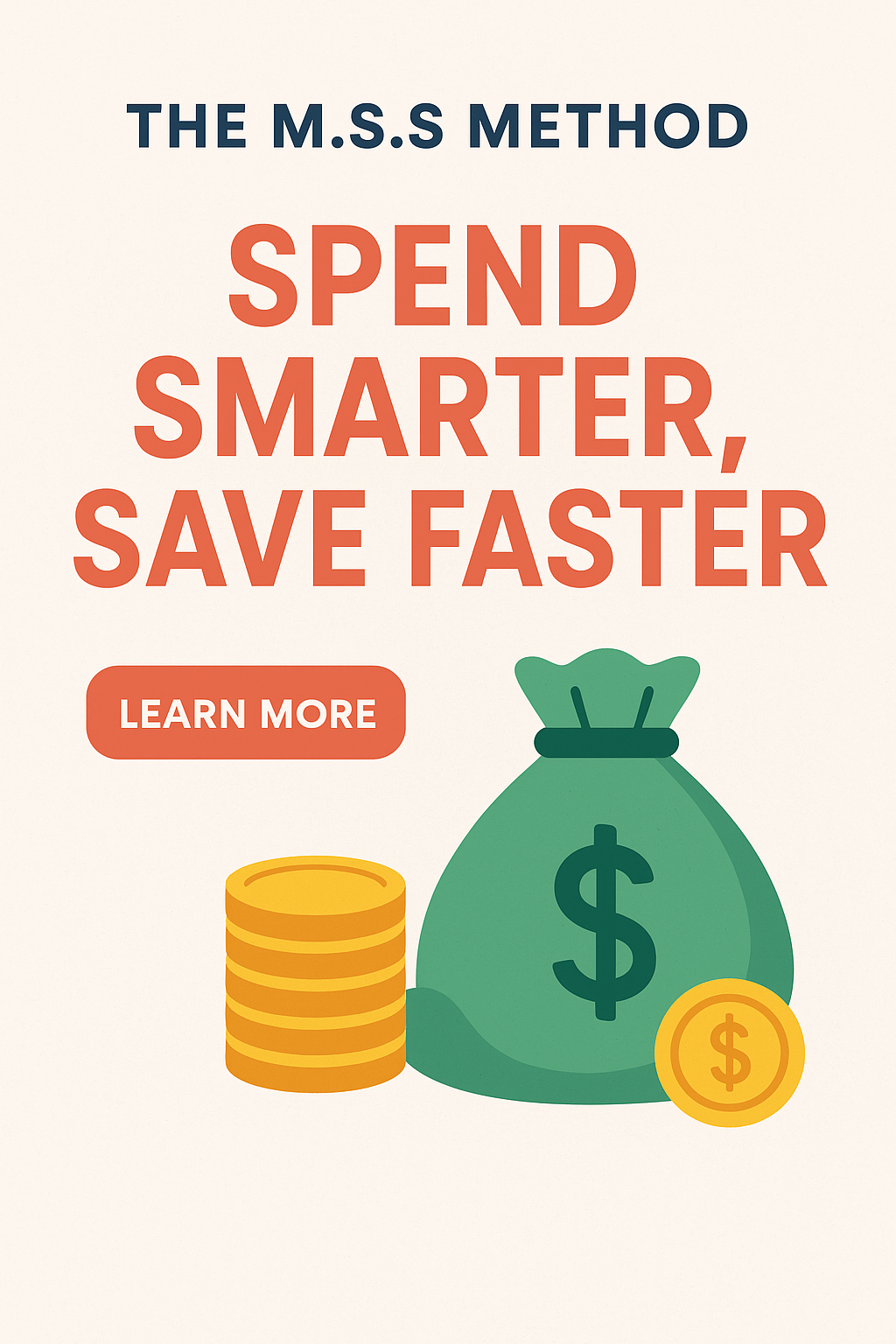
    You know what’s scary?
    Not the big bills…
    But the tiny, daily financial mistakes that silently drain you.

    The unplanned spending.
    The emotional purchases.
    The “it’s only N$50” decisions.

    These things add up faster than we think.

    When I learned about M.S.S Spending Efficiency, everything clicked.
    It wasn’t about earning millions —
    It was about understanding money differently.

    And that changed everything.
    “The Silent Stress No One Talks About” You know what’s scary? Not the big bills… But the tiny, daily financial mistakes that silently drain you. The unplanned spending. The emotional purchases. The “it’s only N$50” decisions. These things add up faster than we think. When I learned about M.S.S Spending Efficiency, everything clicked. It wasn’t about earning millions — It was about understanding money differently. And that changed everything.
    0 Comentários 0 Compartilhamentos 596 Visualizações
  • How To Do A Threat Assessment Of Your Neighborhood
    Most preppers focus on food, water, and gear. But the truth is, your biggest advantage or your biggest danger will come from the people who live within a few streets of you. So here’s how you do a simple threat assessment of your neighborhood before any crisis happens.
    Start by making a basic map of your block. Nothing fancy. Just house numbers and the layout of the streets. This gives you a clear picture of your surroundings if things ever go bad and the power or internet goes down.
    Next, find out who actually lives in each home. You can look up property owners through public records. If it’s a long-term owner, that usually means stability. If it’s a rental, people may come and go. From there, look at basic public information. What do they do for work. Do they have skills that matter in a crisis like medical training, electrical work, or mechanical skills.
    Now pay attention to the household itself. Is it a big family, older adults, or a bunch of roommates. Larger or chaotic homes can become unpredictable during an emergency. Homes with kids usually try to stay calm and safe. A home with elderly residents might need help. Understanding these dynamics helps you figure out potential strengths and weak points around you.
    Then watch behavior. This tells you more than anything. If a house constantly has police visits, fights, or loud parties, that’s a red flag. If a home has frequent medical calls, that could mean health issues that leave the house empty or vulnerable later. If someone relies on takeout every night and rarely cooks, they probably don’t store much food, and they may hit desperation early in a long emergency.
    Look for helpful skill sets too. Police officers, nurses, military members, or people who clearly work in emergency services can become valuable in a crisis. They might also be gone if they get called in to work, so keep that in mind.
    Lifestyle risks matter as well. People struggling with addiction, unstable behavior, or constant arguments at home can become unpredictable fast when stress hits. You’re not judging them morally. You’re assessing risk realistically.
    Also keep track of transient activity. Cars with people sleeping inside, RVs parked for long periods, or homeless camps popping up and disappearing are things you should note. These situations can escalate quickly during a disaster.
    Finally, notice how people talk online in local groups. If someone constantly stirs up conflict, posts angry comments, or acts aggressive online, they usually act the same way when things get rough.
    When you put all of this together, you’re not creating a giant file on your neighbors. You’re building awareness. Who around you is solid. Who might need help. Who has skills. And who might become a problem when resources disappear.
    This is one of the most overlooked parts of preparedness. Your home matters. Your supplies matter. But knowing your neighborhood can be the difference between staying safe or getting blindsided when everything falls apart.

    How To Do A Threat Assessment Of Your Neighborhood Most preppers focus on food, water, and gear. But the truth is, your biggest advantage or your biggest danger will come from the people who live within a few streets of you. So here’s how you do a simple threat assessment of your neighborhood before any crisis happens. Start by making a basic map of your block. Nothing fancy. Just house numbers and the layout of the streets. This gives you a clear picture of your surroundings if things ever go bad and the power or internet goes down. Next, find out who actually lives in each home. You can look up property owners through public records. If it’s a long-term owner, that usually means stability. If it’s a rental, people may come and go. From there, look at basic public information. What do they do for work. Do they have skills that matter in a crisis like medical training, electrical work, or mechanical skills. Now pay attention to the household itself. Is it a big family, older adults, or a bunch of roommates. Larger or chaotic homes can become unpredictable during an emergency. Homes with kids usually try to stay calm and safe. A home with elderly residents might need help. Understanding these dynamics helps you figure out potential strengths and weak points around you. Then watch behavior. This tells you more than anything. If a house constantly has police visits, fights, or loud parties, that’s a red flag. If a home has frequent medical calls, that could mean health issues that leave the house empty or vulnerable later. If someone relies on takeout every night and rarely cooks, they probably don’t store much food, and they may hit desperation early in a long emergency. Look for helpful skill sets too. Police officers, nurses, military members, or people who clearly work in emergency services can become valuable in a crisis. They might also be gone if they get called in to work, so keep that in mind. Lifestyle risks matter as well. People struggling with addiction, unstable behavior, or constant arguments at home can become unpredictable fast when stress hits. You’re not judging them morally. You’re assessing risk realistically. Also keep track of transient activity. Cars with people sleeping inside, RVs parked for long periods, or homeless camps popping up and disappearing are things you should note. These situations can escalate quickly during a disaster. Finally, notice how people talk online in local groups. If someone constantly stirs up conflict, posts angry comments, or acts aggressive online, they usually act the same way when things get rough. When you put all of this together, you’re not creating a giant file on your neighbors. You’re building awareness. Who around you is solid. Who might need help. Who has skills. And who might become a problem when resources disappear. This is one of the most overlooked parts of preparedness. Your home matters. Your supplies matter. But knowing your neighborhood can be the difference between staying safe or getting blindsided when everything falls apart.

    Love
    1
    0 Comentários 0 Compartilhamentos 5007 Visualizações
  • Sharks are *way* older than you think.

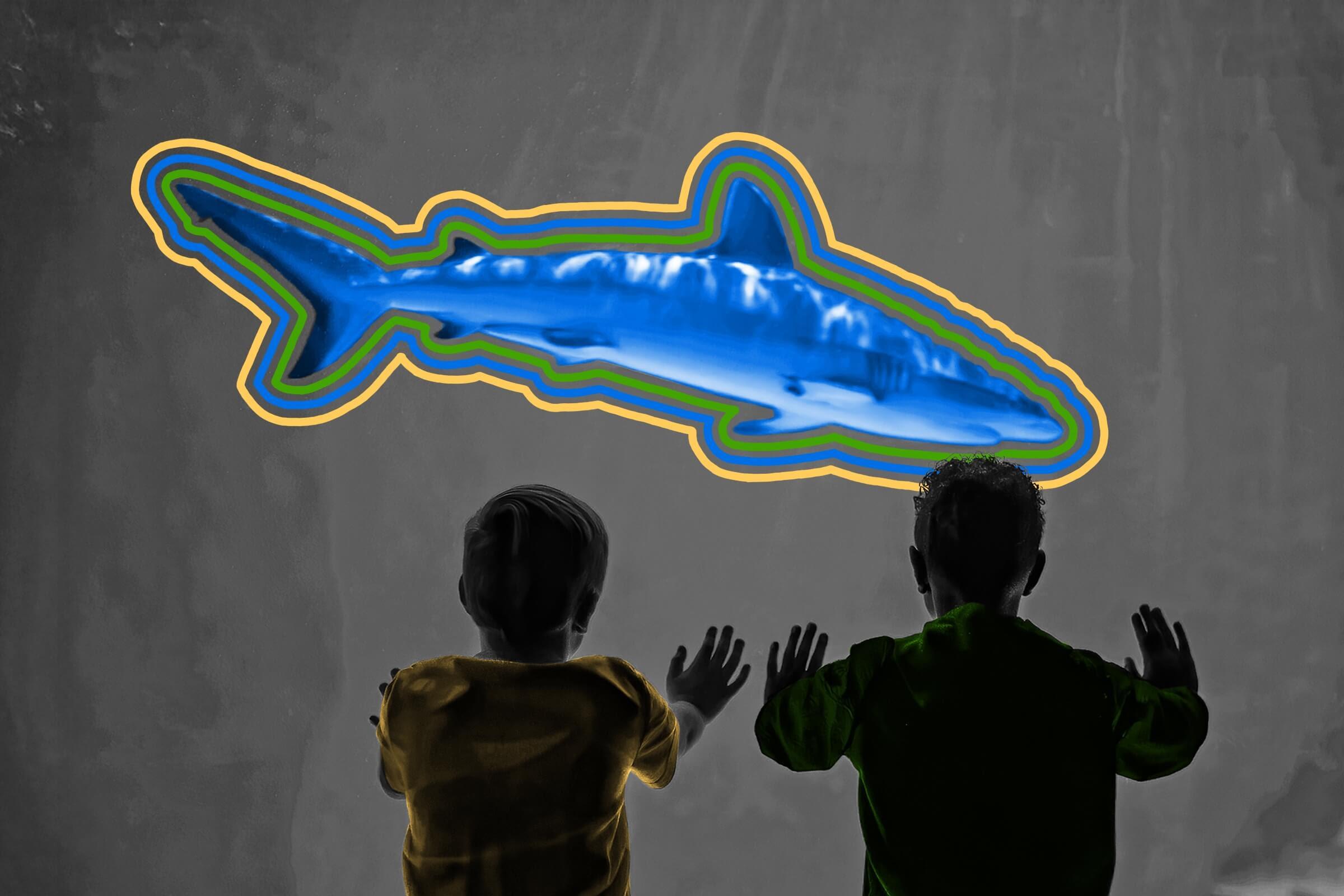
    Sharks are older than Saturn’s rings.
    For most of human history, sharks were considered fairly harmless, a perception that changed forever with the 1975 release of Steven Spielberg’s Jaws. Relative to the total amount of time sharks have been around, however, “most of human history” is just the blink of an eye.

    Having existed for somewhere between 400 million and 450 million years, these fish are older than just about anything you can think of — including Saturn’s rings. While the planet Saturn itself formed some 4.5 billion years ago alongside the rest of our solar system, its rings formed between 10 million and 100 million years ago, making them relatively recent in the grand scheme of things.

    And just for fun, here are some other things sharks are older than: trees (which are roughly 390 million years old), the North Star (70 million years), and the Atlantic Ocean (150 million years). That’s right — sharks have existed longer than one of the oceans they now swim in, as the Atlantic didn’t form until the supercontinent Pangea broke apart.


    Sharks weren’t recorded making noise until 2025.

    They don’t call them silent killers for nothing, and indeed part of what’s made sharks so frightful in the collective imagination is the idea that their attacks, while vicious, are noiseless. But sharks aren’t entirely silent. University of Auckland scientists have recorded a rig shark making a clicking sound, most likely by snapping its teeth. Their research was published in March 2025, marking a breakthrough in our understanding of these ancient creatures. The sound, which the sharks made an average of nine times in a 20-second span, wasn’t produced while swimming or feeding. The researchers believe it isn't used as a means of communication, but rather is something sharks do when startled or stressed.
    Sharks are *way* older than you think. Sharks are older than Saturn’s rings. For most of human history, sharks were considered fairly harmless, a perception that changed forever with the 1975 release of Steven Spielberg’s Jaws. Relative to the total amount of time sharks have been around, however, “most of human history” is just the blink of an eye. Having existed for somewhere between 400 million and 450 million years, these fish are older than just about anything you can think of — including Saturn’s rings. While the planet Saturn itself formed some 4.5 billion years ago alongside the rest of our solar system, its rings formed between 10 million and 100 million years ago, making them relatively recent in the grand scheme of things. And just for fun, here are some other things sharks are older than: trees (which are roughly 390 million years old), the North Star (70 million years), and the Atlantic Ocean (150 million years). That’s right — sharks have existed longer than one of the oceans they now swim in, as the Atlantic didn’t form until the supercontinent Pangea broke apart. Sharks weren’t recorded making noise until 2025. They don’t call them silent killers for nothing, and indeed part of what’s made sharks so frightful in the collective imagination is the idea that their attacks, while vicious, are noiseless. But sharks aren’t entirely silent. University of Auckland scientists have recorded a rig shark making a clicking sound, most likely by snapping its teeth. Their research was published in March 2025, marking a breakthrough in our understanding of these ancient creatures. The sound, which the sharks made an average of nine times in a 20-second span, wasn’t produced while swimming or feeding. The researchers believe it isn't used as a means of communication, but rather is something sharks do when startled or stressed.
    0 Comentários 0 Compartilhamentos 15355 Visualizações
  • What is information?
    Information is a fundamental concept that plays a crucial role in our daily lives. It can be defined as data that has been processed and organized to provide meaning and value. In simpler terms, information is knowledge that we use to make decisions, solve problems, and communicate with others.

    In today's digital age, information is everywhere. From the news we read online to the emails we send at work, we are constantly bombarded with data that needs to be understood and analyzed. With the rise of technology, the amount of information available to us has grown exponentially, making it more important than ever to be able to distinguish between reliable sources and misinformation.

    Understanding what information is and how it can be used effectively is essential in navigating the modern world. By learning how to critically evaluate sources, filter out irrelevant data, and synthesize key points, we can make informed decisions and stay ahead in an increasingly complex and fast-paced society.

    In conclusion, information is not just a collection of facts and figures – it is the currency of the digital age. By mastering the art of processing and utilizing information effectively, we can empower ourselves to succeed in both our personal and professional lives.
    What is information? Information is a fundamental concept that plays a crucial role in our daily lives. It can be defined as data that has been processed and organized to provide meaning and value. In simpler terms, information is knowledge that we use to make decisions, solve problems, and communicate with others. In today's digital age, information is everywhere. From the news we read online to the emails we send at work, we are constantly bombarded with data that needs to be understood and analyzed. With the rise of technology, the amount of information available to us has grown exponentially, making it more important than ever to be able to distinguish between reliable sources and misinformation. Understanding what information is and how it can be used effectively is essential in navigating the modern world. By learning how to critically evaluate sources, filter out irrelevant data, and synthesize key points, we can make informed decisions and stay ahead in an increasingly complex and fast-paced society. In conclusion, information is not just a collection of facts and figures – it is the currency of the digital age. By mastering the art of processing and utilizing information effectively, we can empower ourselves to succeed in both our personal and professional lives.
    0 Comentários 0 Compartilhamentos 24678 Visualizações
Patrocinado

Buy Me A Coffee.

If You Would Like To Support Social Follow, Please Go To Buy Me A Coffee, Thank You. https://www.buymeacoffee.com/socialfollowme