



• 10 Powdered Prepping & Survival Foods To Stockpile
    Ten powdered foods everyone should stock up on right now. These are lightweight, long lasting, and give you real calories and real nutrition during an emergency.
    Store these in airtight containers or mylar bags with oxygen absorbers and they will last for years, some even decades.
    Number one is whey protein. This gives you quick protein in any situation. If the stores close and meat disappears, this becomes one of the easiest ways to hit your daily protein and stay strong. It takes very little space and lasts a long time.
    Number two is corn starch. This is a thickener and a base ingredient. You can stretch soups, stews, and sauces with it. In a long emergency, stretching your food is a life saver.
    Number three is baking soda. This is a must have because it handles cooking, cleaning, deodorizing, and even basic hygiene. One container can be used hundreds of different ways.
    Number four is powdered skim milk. This gives you calcium, protein, and fats when fresh milk is impossible to find. It lasts for years if stored correctly and you can use it in baking or drink it straight.
    Number five is powdered eggs. Real eggs are one of the first foods to disappear. Powdered eggs let you cook breakfast, fry rice, bake bread, and still get high quality protein without refrigeration.
    Number six is peanut butter powder. It gives you protein and healthy fats and you can add it to shakes, oatmeal, or baking. This is one of the most calorie dense powders you can store.
    Number seven is cocoa powder. It boosts morale, it gives you antioxidants, and you can use it in drinks, desserts, and baking. During long emergencies, morale foods matter more than people think.
    Number eight is powdered butter. Fat is the hardest thing to store long term. Powdered butter gives you the ability to cook, fry, and add calories to meals when fresh butter is long gone.
    Number nine is the Augason Farms pancake mix. This stuff has a ten year shelf life and you only need water. This gives you carbs and calories instantly. It is cheap, easy to store, and extremely useful.
    Number ten is cinnamon. It improves taste, helps preserve foods, and gives you flavor when everything else tastes bland. You can add it to oats, rice pudding, baked goods, and drinks.
    These powdered foods are compact, cheap, and last for years. If you add them to your prepper pantry now, you will have calories, protein, fats, and flavor even in the worst emergencies. Stock up while everything is still available.
    10 Powdered Prepping & Survival Foods To Stockpile Ten powdered foods everyone should stock up on right now. These are lightweight, long lasting, and give you real calories and real nutrition during an emergency. Store these in airtight containers or mylar bags with oxygen absorbers and they will last for years, some even decades. Number one is whey protein. This gives you quick protein in any situation. If the stores close and meat disappears, this becomes one of the easiest ways to hit your daily protein and stay strong. It takes very little space and lasts a long time. Number two is corn starch. This is a thickener and a base ingredient. You can stretch soups, stews, and sauces with it. In a long emergency, stretching your food is a life saver. Number three is baking soda. This is a must have because it handles cooking, cleaning, deodorizing, and even basic hygiene. One container can be used hundreds of different ways. Number four is powdered skim milk. This gives you calcium, protein, and fats when fresh milk is impossible to find. It lasts for years if stored correctly and you can use it in baking or drink it straight. Number five is powdered eggs. Real eggs are one of the first foods to disappear. Powdered eggs let you cook breakfast, fry rice, bake bread, and still get high quality protein without refrigeration. Number six is peanut butter powder. It gives you protein and healthy fats and you can add it to shakes, oatmeal, or baking. This is one of the most calorie dense powders you can store. Number seven is cocoa powder. It boosts morale, it gives you antioxidants, and you can use it in drinks, desserts, and baking. During long emergencies, morale foods matter more than people think. Number eight is powdered butter. Fat is the hardest thing to store long term. Powdered butter gives you the ability to cook, fry, and add calories to meals when fresh butter is long gone. Number nine is the Augason Farms pancake mix. This stuff has a ten year shelf life and you only need water. This gives you carbs and calories instantly. It is cheap, easy to store, and extremely useful. Number ten is cinnamon. It improves taste, helps preserve foods, and gives you flavor when everything else tastes bland. You can add it to oats, rice pudding, baked goods, and drinks. These powdered foods are compact, cheap, and last for years. If you add them to your prepper pantry now, you will have calories, protein, fats, and flavor even in the worst emergencies. Stock up while everything is still available.
    0 التعليقات 0 المشاركات 4110 مشاهدة
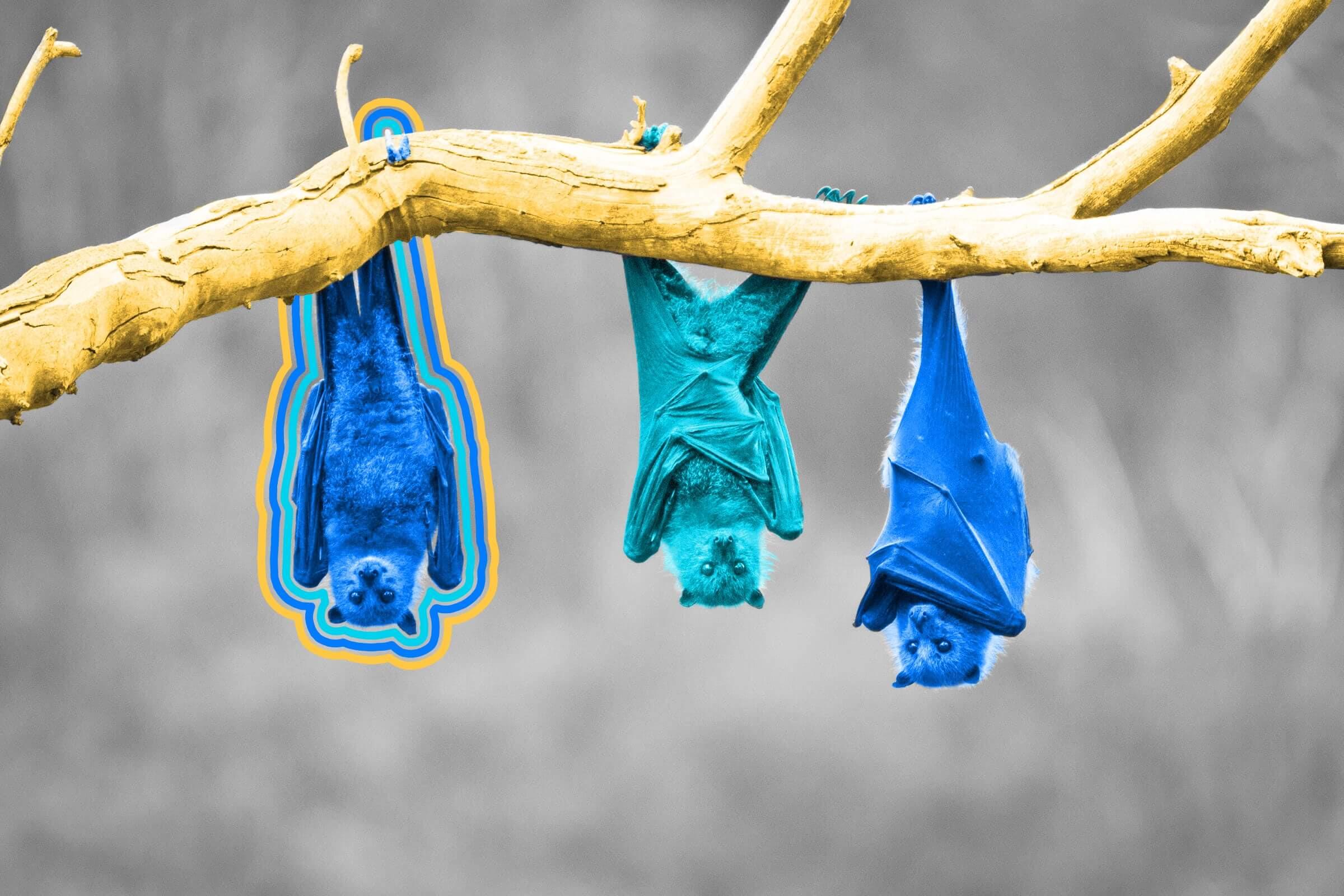
  • Bat species make up 21% of all mammals.

    Earth is home to a staggering number of creatures: By one estimate, more than 8.7 million species of plants and animals live on its lands and in its waters. Mammals, however, make up a small fraction of that number — just 6,495 species. If you’re wondering which warm-blooded animals are most numerous, glance to the night sky. That’s where you’ll probably find bats, which account for 21% of all the mammals in the world.

    The bat family boasts amazing diversity. The tiny bumblebee bat (only about an inch big) is the world’s smallest mammal, while the flying fox bat has a 5-foot wingspan. Scientists classify these mostly nocturnal creatures into two categories: microbats and megabats. Microbats are generally smaller, nighttime flyers that rely on echolocation to hunt insects, whereas megabats are often much larger, and some of them hunt in the daytime. Megabats primarily live in the tropics, where they use their larger eyes and better olfactory senses in place of echolocation to locate fruit for their meals.

    Bats have been around for more than 50 million years, which helps explain why they’re such a fine-tuned part of our ecosystem. Nectar-eating bats are master pollinators of more than 500 plant species (including cacao for chocolate and agave for tequila), thanks to their ability to fly and transport pollen further than bees. They’re also nature’s bug zappers, keeping mosquito, moth, and beetle populations in check. The flying insect hunters are so effective — eating half their body weight in bugs each night — that scientists credit them with saving U.S. farmers $1 billion in pesticides and crop damage each year. Bats even help combat deforestation by dropping seeds over barren areas: Bat-dropped seeds can account for up to 95% of regrowth in cleared forests in tropical areas, a huge accomplishment for such small creatures.


    Vampire bats create close friendships.
    Vampire bats are at best feared and at worst maligned as sinister predators, but chiropterologists (scientists who study bats) believe Desmodus rotundus are actually incredibly social animals that survive thanks to their selective, long-term friendships. Vampire bats, which live in Mexico, Central America, and South America, have genetic mutations that separate them from their fruit- and bug-eating brethren, affecting how they taste and digest their food. They only survive on blood (usually from livestock and birds), and consume nearly 1.4 times their body weight per meal to get the nutrients they need. But blood isn’t always readily available, which puts vampire bats at risk of starvation, especially since they must eat every 48 hours or so. Researchers think this could be why these flying mammals have learned to share food with family members, regurgitating the substance in a manner similar to how birds feed their young. But vampire bats will also help roost-mates they have close, nonfamilial relationships with — and those bats remember and return the favor, creating a long-term bond that increases both animals’ odds of survival. Researchers say watching these high-flying friendships develop can help us better understand how other social species (like humans) bond, too.
    Bat species make up 21% of all mammals. Earth is home to a staggering number of creatures: By one estimate, more than 8.7 million species of plants and animals live on its lands and in its waters. Mammals, however, make up a small fraction of that number — just 6,495 species. If you’re wondering which warm-blooded animals are most numerous, glance to the night sky. That’s where you’ll probably find bats, which account for 21% of all the mammals in the world. The bat family boasts amazing diversity. The tiny bumblebee bat (only about an inch big) is the world’s smallest mammal, while the flying fox bat has a 5-foot wingspan. Scientists classify these mostly nocturnal creatures into two categories: microbats and megabats. Microbats are generally smaller, nighttime flyers that rely on echolocation to hunt insects, whereas megabats are often much larger, and some of them hunt in the daytime. Megabats primarily live in the tropics, where they use their larger eyes and better olfactory senses in place of echolocation to locate fruit for their meals. Bats have been around for more than 50 million years, which helps explain why they’re such a fine-tuned part of our ecosystem. Nectar-eating bats are master pollinators of more than 500 plant species (including cacao for chocolate and agave for tequila), thanks to their ability to fly and transport pollen further than bees. They’re also nature’s bug zappers, keeping mosquito, moth, and beetle populations in check. The flying insect hunters are so effective — eating half their body weight in bugs each night — that scientists credit them with saving U.S. farmers $1 billion in pesticides and crop damage each year. Bats even help combat deforestation by dropping seeds over barren areas: Bat-dropped seeds can account for up to 95% of regrowth in cleared forests in tropical areas, a huge accomplishment for such small creatures. Vampire bats create close friendships. Vampire bats are at best feared and at worst maligned as sinister predators, but chiropterologists (scientists who study bats) believe Desmodus rotundus are actually incredibly social animals that survive thanks to their selective, long-term friendships. Vampire bats, which live in Mexico, Central America, and South America, have genetic mutations that separate them from their fruit- and bug-eating brethren, affecting how they taste and digest their food. They only survive on blood (usually from livestock and birds), and consume nearly 1.4 times their body weight per meal to get the nutrients they need. But blood isn’t always readily available, which puts vampire bats at risk of starvation, especially since they must eat every 48 hours or so. Researchers think this could be why these flying mammals have learned to share food with family members, regurgitating the substance in a manner similar to how birds feed their young. But vampire bats will also help roost-mates they have close, nonfamilial relationships with — and those bats remember and return the favor, creating a long-term bond that increases both animals’ odds of survival. Researchers say watching these high-flying friendships develop can help us better understand how other social species (like humans) bond, too.
    0 التعليقات 0 المشاركات 7434 مشاهدة
  • "𝗠𝗼𝗻𝗲𝘆 𝗹𝗮𝘆𝗶𝗻𝗴 𝗶𝗻 𝗮 𝗯𝗮𝗻𝗸 𝗮𝗰𝗰𝗼𝘂𝗻𝘁 𝗶𝘀 𝗮 𝗰𝗿𝗶𝗺𝗲 𝗮𝗴𝗮𝗶𝗻𝘀𝘁 𝗵𝘂𝗺𝗮𝗻𝗶𝘁𝘆, 𝗶𝘁 𝗻𝗲𝗲𝗱𝘀 𝘁𝗼 𝗰𝗶𝗿𝗰𝘂𝗹𝗮𝘁𝗲, 𝗶𝘁 𝗶𝘀 𝘁𝗵𝗲 𝗲𝗻𝗲𝗿𝗴𝘆 𝘁𝗵𝗮𝘁 𝗰𝗮𝗻 𝗵𝗲𝗹𝗽 𝘀𝗼 𝗺𝗮𝗻𝘆 𝗽𝗲𝗼𝗽𝗹𝗲 𝘁𝗵𝗮𝘁 𝗱𝗲𝘀𝗽𝗲𝗿𝗮𝘁𝗲𝗹𝘆 𝗻𝗲𝗲𝗱 𝗶𝘁 𝗮𝗹𝗹 𝗼𝘃𝗲𝗿 𝘁𝗵𝗲 𝘄𝗼𝗿𝗹𝗱."
    As the story goes ...
    It’s a slow and hot day in the little town somewhere in the middle of nowhere. Times are tough, everybody in town is in debt, and everybody lives on credit.
    On this particular day, a rich tourist is driving through town. He stops at the only hotel in town and lays a $100 bill on the desk, telling the hotel owner he wants to inspect the rooms upstairs in order to pick one to spend the night. The owner gives him some keys, and as soon as the visitor has walked upstairs, the hotelier grabs $100 and runs next door to pay his debt to the butcher.
    The butcher takes $100 and runs down the street to pay his debt with the pig farmer.
    The pig farmer takes $100 and heads off to pay his bill at the feed store.
    The guy at the feed store takes $100 and runs to pay his debt to the local prostitute, who has also been facing hard times and has had to offer her services on credit.
    She, in a flash, rushes to the motel and pays off her room bill to the hotel owner with the same $100 bill.
    The motel owner now places the $100 bill back on the counter so the rich tourist will not suspect anything.
    At that moment, the tourist comes down the stairs after inspecting the rooms, picks up the $100 bill, states that the rooms are not satisfactory, pockets the money, and leaves the motel.
    𝗡𝗼 𝗼𝗻𝗲 𝗲𝗮𝗿𝗻𝗲𝗱 𝗮𝗻𝘆𝘁𝗵𝗶𝗻𝗴. 𝗛𝗼𝘄𝗲𝘃𝗲𝗿, 𝘁𝗵𝗲 𝘄𝗵𝗼𝗹𝗲 𝘁𝗼𝘄𝗻 𝗶𝘀 𝗼𝘂𝘁 𝗼𝗳 𝗱𝗲𝗯𝘁 𝗮𝗻𝗱 𝗹𝗼𝗼𝗸𝘀 𝘁𝗼 𝘁𝗵𝗲 𝗳𝘂𝘁𝘂𝗿𝗲 𝘄𝗶𝘁𝗵 𝗮 𝗴𝗿𝗲𝗮𝘁 𝗱𝗲𝗮𝗹 𝗼𝗳 𝗼𝗽𝘁𝗶𝗺𝗶𝘀𝗺.

    I can appreciate that there are holes that can be picked in this parable. (Let's not go there!) Instead, let's focus on the aspect of 𝗢𝗣𝗧𝗜𝗠𝗜𝗦𝗠. To me, I see that as the key takeaway. Within this community, the Easy1x2 is cause for optimism, and that is only just the beginning. We have so much to be grateful for ... and ... so much to be OPTIMISTIC about..
    In "spreading the wealth", as we will soon be in a position to do, we will be creating a movement of hope and optimism and the prospect of far brighter futures for many.
    https://easyas1x2.com
    #Easyas1x2
    "𝗠𝗼𝗻𝗲𝘆 𝗹𝗮𝘆𝗶𝗻𝗴 𝗶𝗻 𝗮 𝗯𝗮𝗻𝗸 𝗮𝗰𝗰𝗼𝘂𝗻𝘁 𝗶𝘀 𝗮 𝗰𝗿𝗶𝗺𝗲 𝗮𝗴𝗮𝗶𝗻𝘀𝘁 𝗵𝘂𝗺𝗮𝗻𝗶𝘁𝘆, 𝗶𝘁 𝗻𝗲𝗲𝗱𝘀 𝘁𝗼 𝗰𝗶𝗿𝗰𝘂𝗹𝗮𝘁𝗲, 𝗶𝘁 𝗶𝘀 𝘁𝗵𝗲 𝗲𝗻𝗲𝗿𝗴𝘆 𝘁𝗵𝗮𝘁 𝗰𝗮𝗻 𝗵𝗲𝗹𝗽 𝘀𝗼 𝗺𝗮𝗻𝘆 𝗽𝗲𝗼𝗽𝗹𝗲 𝘁𝗵𝗮𝘁 𝗱𝗲𝘀𝗽𝗲𝗿𝗮𝘁𝗲𝗹𝘆 𝗻𝗲𝗲𝗱 𝗶𝘁 𝗮𝗹𝗹 𝗼𝘃𝗲𝗿 𝘁𝗵𝗲 𝘄𝗼𝗿𝗹𝗱." As the story goes ... It’s a slow and hot day in the little town somewhere in the middle of nowhere. Times are tough, everybody in town is in debt, and everybody lives on credit. On this particular day, a rich tourist is driving through town. He stops at the only hotel in town and lays a $100 bill on the desk, telling the hotel owner he wants to inspect the rooms upstairs in order to pick one to spend the night. The owner gives him some keys, and as soon as the visitor has walked upstairs, the hotelier grabs $100 and runs next door to pay his debt to the butcher. The butcher takes $100 and runs down the street to pay his debt with the pig farmer. The pig farmer takes $100 and heads off to pay his bill at the feed store. The guy at the feed store takes $100 and runs to pay his debt to the local prostitute, who has also been facing hard times and has had to offer her services on credit. She, in a flash, rushes to the motel and pays off her room bill to the hotel owner with the same $100 bill. The motel owner now places the $100 bill back on the counter so the rich tourist will not suspect anything. At that moment, the tourist comes down the stairs after inspecting the rooms, picks up the $100 bill, states that the rooms are not satisfactory, pockets the money, and leaves the motel. 𝗡𝗼 𝗼𝗻𝗲 𝗲𝗮𝗿𝗻𝗲𝗱 𝗮𝗻𝘆𝘁𝗵𝗶𝗻𝗴. 𝗛𝗼𝘄𝗲𝘃𝗲𝗿, 𝘁𝗵𝗲 𝘄𝗵𝗼𝗹𝗲 𝘁𝗼𝘄𝗻 𝗶𝘀 𝗼𝘂𝘁 𝗼𝗳 𝗱𝗲𝗯𝘁 𝗮𝗻𝗱 𝗹𝗼𝗼𝗸𝘀 𝘁𝗼 𝘁𝗵𝗲 𝗳𝘂𝘁𝘂𝗿𝗲 𝘄𝗶𝘁𝗵 𝗮 𝗴𝗿𝗲𝗮𝘁 𝗱𝗲𝗮𝗹 𝗼𝗳 𝗼𝗽𝘁𝗶𝗺𝗶𝘀𝗺. 🌟🌟🌟 I can appreciate that there are holes that can be picked in this parable. (Let's not go there!) Instead, let's focus on the aspect of 𝗢𝗣𝗧𝗜𝗠𝗜𝗦𝗠. To me, I see that as the key takeaway. Within this community, the Easy1x2 is cause for optimism, and that is only just the beginning. We have so much to be grateful for ... and ... so much to be OPTIMISTIC about.. In "spreading the wealth", as we will soon be in a position to do, we will be creating a movement of hope and optimism and the prospect of far brighter futures for many. https://easyas1x2.com #Easyas1x2
    Love
    1
    0 التعليقات 0 المشاركات 7825 مشاهدة
إعلان مُمول

AI-powered Business Social

Join Kiosk Social and get your business seen, build links, grow relationships, and have fun.