• POWER AND LIGHT

    When the power goes out, modern life shuts down instantly. Most people do not realize how much they depend on electricity until it disappears. Lights, heat, cooking, communication, refrigeration, everything stops. That is why having backup power and light is one of the most important parts of preparedness.

    Why Blackouts Are More Dangerous Than People Think
    A blackout is not just an inconvenience. It affects your ability to stay warm, safe, and informed. After a few hours, food begins to spoil. After a day, communication becomes difficult. After a few days, people start panicking. A simple power outage can turn into a real emergency if you are not ready.

    How To Stay Lit During A Blackout
    Start with basic lighting. Flashlights, lanterns, and headlamps should be in every home. Keep extra batteries stored in a cool place. Solar powered lights are even better because they recharge during the day. You can leave them in a window, charge them outside, and have free light at night. Candles are a backup option but use them carefully to avoid fires.

    How To Stay Powered
    Small power banks are one of the easiest tools you can own. They keep your phone alive so you can call for help, get updates, and stay connected. Bigger power stations can run small appliances, charge multiple devices, and power lights for hours. Solar chargers and foldable solar panels let you generate electricity with no fuel. This gives you unlimited power as long as the sun exists.

    Generators
    A generator is a strong backup option if you can afford one and store fuel safely. Gas and propane generators work well but they need proper ventilation. Never run them indoors. Always store fuel in approved containers and rotate it every few months. If you choose to use a generator, have a clear plan for where it sits, how it runs, and who is trained to use it.

    Staying Warm In Cold Weather
    Heat is critical. In winter blackouts, people can freeze inside their homes. Keep warm blankets ready. Have winter sleeping bags even if you are not camping. Hand warmers and body warmers help at night. If you have a wood stove or fireplace, always keep dry wood nearby. Staying warm is not luxury. It is survival.

    Rotating And Maintaining Your Gear
    Power gear needs maintenance. Charge your power banks every month. Test your solar lights. Run your generator every few weeks. Keep batteries fresh. A blackout is not the time to find out something does not work. When you maintain your gear, you know it will work the moment you need it.

    A blackout tests how prepared someone really is. When you have light, power, warmth, and a way to communicate, the situation becomes manageable. When you have nothing, a simple outage becomes a crisis. This module gives you the tools to stay in control when the grid goes down.
    POWER AND LIGHT When the power goes out, modern life shuts down instantly. Most people do not realize how much they depend on electricity until it disappears. Lights, heat, cooking, communication, refrigeration, everything stops. That is why having backup power and light is one of the most important parts of preparedness. Why Blackouts Are More Dangerous Than People Think A blackout is not just an inconvenience. It affects your ability to stay warm, safe, and informed. After a few hours, food begins to spoil. After a day, communication becomes difficult. After a few days, people start panicking. A simple power outage can turn into a real emergency if you are not ready. How To Stay Lit During A Blackout Start with basic lighting. Flashlights, lanterns, and headlamps should be in every home. Keep extra batteries stored in a cool place. Solar powered lights are even better because they recharge during the day. You can leave them in a window, charge them outside, and have free light at night. Candles are a backup option but use them carefully to avoid fires. How To Stay Powered Small power banks are one of the easiest tools you can own. They keep your phone alive so you can call for help, get updates, and stay connected. Bigger power stations can run small appliances, charge multiple devices, and power lights for hours. Solar chargers and foldable solar panels let you generate electricity with no fuel. This gives you unlimited power as long as the sun exists. Generators A generator is a strong backup option if you can afford one and store fuel safely. Gas and propane generators work well but they need proper ventilation. Never run them indoors. Always store fuel in approved containers and rotate it every few months. If you choose to use a generator, have a clear plan for where it sits, how it runs, and who is trained to use it. Staying Warm In Cold Weather Heat is critical. In winter blackouts, people can freeze inside their homes. Keep warm blankets ready. Have winter sleeping bags even if you are not camping. Hand warmers and body warmers help at night. If you have a wood stove or fireplace, always keep dry wood nearby. Staying warm is not luxury. It is survival. Rotating And Maintaining Your Gear Power gear needs maintenance. Charge your power banks every month. Test your solar lights. Run your generator every few weeks. Keep batteries fresh. A blackout is not the time to find out something does not work. When you maintain your gear, you know it will work the moment you need it. A blackout tests how prepared someone really is. When you have light, power, warmth, and a way to communicate, the situation becomes manageable. When you have nothing, a simple outage becomes a crisis. This module gives you the tools to stay in control when the grid goes down.
    0 Comentários 0 Compartilhamentos 2645 Visualizações
  • Have you heard of the “African unicorn”?

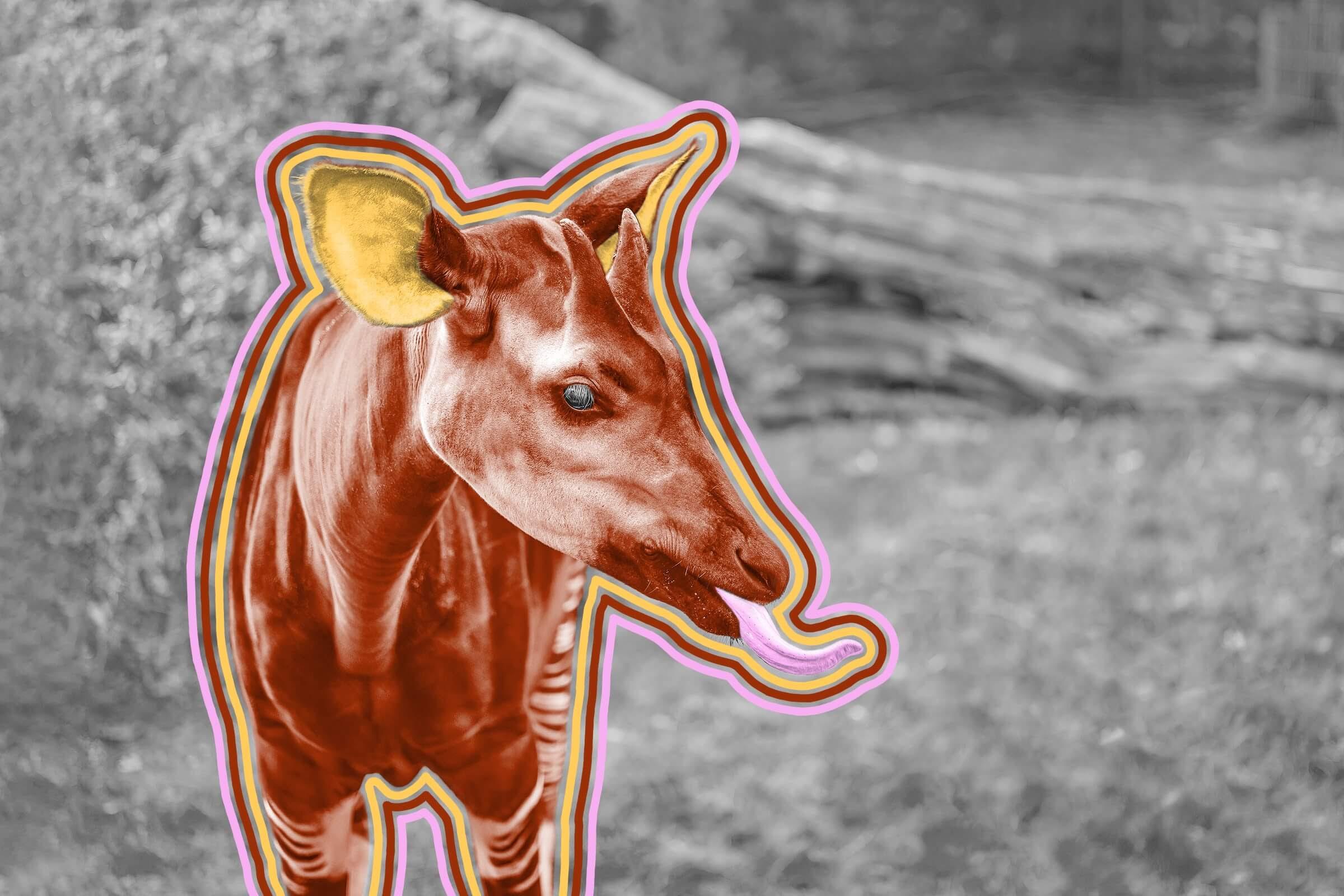
    Okapis have tongues long enough to wash their eyelids.
    The 6-foot-tall, roughly 500-pound, famously shy okapi (Okapia johnstoni) can only be found in the wild in the Ituri tropical rainforests of the Democratic Republic of Congo. Its biology features some amazing adaptations: A unique strip pattern on its rump helps the mammal blend in with shade cast by the rainforest canopy, and its fur is coated in a natural oil that repels moisture, something that rainforests obviously provide in abundance. What’s more, the okapi’s large ears can detect even the slightest disturbance, and okapi mothers communicate with their young in frequencies beyond human hearing. However, perhaps the okapi’s most useful evolutionary trait is its tongue. Stretching some 12 to 14 inches, it’s long enough to swat flies, clean the okapi’s ears, and even clean its eyelids. The tongue is also prehensile, meaning it can grasp and strip leaves from branches. This is immensely useful, as okapis can eat up to 60 pounds of food every day.

    Although okapis live an isolated existence and look like a cross between a zebra and a deer, their tongues give away their genetic lineage. Okapis are the only living relatives of the giraffe, which explains the animal’s nicknames, including forest giraffe, Congolese giraffe, and zebra giraffe. Like okapis, giraffes also sport blue-hued prehensile tongues, and scientists estimate that the two species shared a common ancestry some 11 million to 12 million years ago. Today, unfortunately, okapis live under threat from deforestation, mining, armed militant groups, and hunting. Thankfully, groups like the Okapi Conservation Project are hard at work preserving the habitat of this “Congolese unicorn” for generations to come.

    Rough length (in inches) of the average human tongue
    3 Inches.

    Weight (in pounds) of a blue whale’s tongue
    8,000

    Estimated number of okapis living in the Okapi Wildlife Reserve
    3,500

    Number of stomachs okapis have
    4


    Until 1901, Western scientists thought the okapi was a mythical creature.

    For a mammal that can weigh hundreds of pounds, the scientific discovery of the okapi seems startlingly late. Throughout the 18th and 19th centuries, Western scientists heard about an “African unicorn” that some Congolese Indigenous peoples called o’api. However, because okapis live in hard-to-reach rainforests and are famously shy, experts dismissed the animal as simply a myth, a cryptid similar to the yeti of the Himalayas or the Sasquatch of the Pacific Northwest. However, in 1900, British explorer Sir Harry Johnston sent the first hide samples to the Zoological Society of London, and the okapi “myth” transformed into reality. Although finally “found” (at least by Western scientists; local tribes likely knew of the animal for millennia), traces of the okapi’s once-mythical status can still be seen — the creature serves as a mascot of sorts for the International Society of Cryptozoology. Because if the “African unicorn” is real, what else might science turn up next?

    Have you heard of the “African unicorn”? Okapis have tongues long enough to wash their eyelids. The 6-foot-tall, roughly 500-pound, famously shy okapi (Okapia johnstoni) can only be found in the wild in the Ituri tropical rainforests of the Democratic Republic of Congo. Its biology features some amazing adaptations: A unique strip pattern on its rump helps the mammal blend in with shade cast by the rainforest canopy, and its fur is coated in a natural oil that repels moisture, something that rainforests obviously provide in abundance. What’s more, the okapi’s large ears can detect even the slightest disturbance, and okapi mothers communicate with their young in frequencies beyond human hearing. However, perhaps the okapi’s most useful evolutionary trait is its tongue. Stretching some 12 to 14 inches, it’s long enough to swat flies, clean the okapi’s ears, and even clean its eyelids. The tongue is also prehensile, meaning it can grasp and strip leaves from branches. This is immensely useful, as okapis can eat up to 60 pounds of food every day. Although okapis live an isolated existence and look like a cross between a zebra and a deer, their tongues give away their genetic lineage. Okapis are the only living relatives of the giraffe, which explains the animal’s nicknames, including forest giraffe, Congolese giraffe, and zebra giraffe. Like okapis, giraffes also sport blue-hued prehensile tongues, and scientists estimate that the two species shared a common ancestry some 11 million to 12 million years ago. Today, unfortunately, okapis live under threat from deforestation, mining, armed militant groups, and hunting. Thankfully, groups like the Okapi Conservation Project are hard at work preserving the habitat of this “Congolese unicorn” for generations to come. Rough length (in inches) of the average human tongue 3 Inches. Weight (in pounds) of a blue whale’s tongue 8,000 Estimated number of okapis living in the Okapi Wildlife Reserve 3,500 Number of stomachs okapis have 4 Until 1901, Western scientists thought the okapi was a mythical creature. For a mammal that can weigh hundreds of pounds, the scientific discovery of the okapi seems startlingly late. Throughout the 18th and 19th centuries, Western scientists heard about an “African unicorn” that some Congolese Indigenous peoples called o’api. However, because okapis live in hard-to-reach rainforests and are famously shy, experts dismissed the animal as simply a myth, a cryptid similar to the yeti of the Himalayas or the Sasquatch of the Pacific Northwest. However, in 1900, British explorer Sir Harry Johnston sent the first hide samples to the Zoological Society of London, and the okapi “myth” transformed into reality. Although finally “found” (at least by Western scientists; local tribes likely knew of the animal for millennia), traces of the okapi’s once-mythical status can still be seen — the creature serves as a mascot of sorts for the International Society of Cryptozoology. Because if the “African unicorn” is real, what else might science turn up next?

    0 Comentários 0 Compartilhamentos 14919 Visualizações
  • Killer whales sometimes hunt moose.
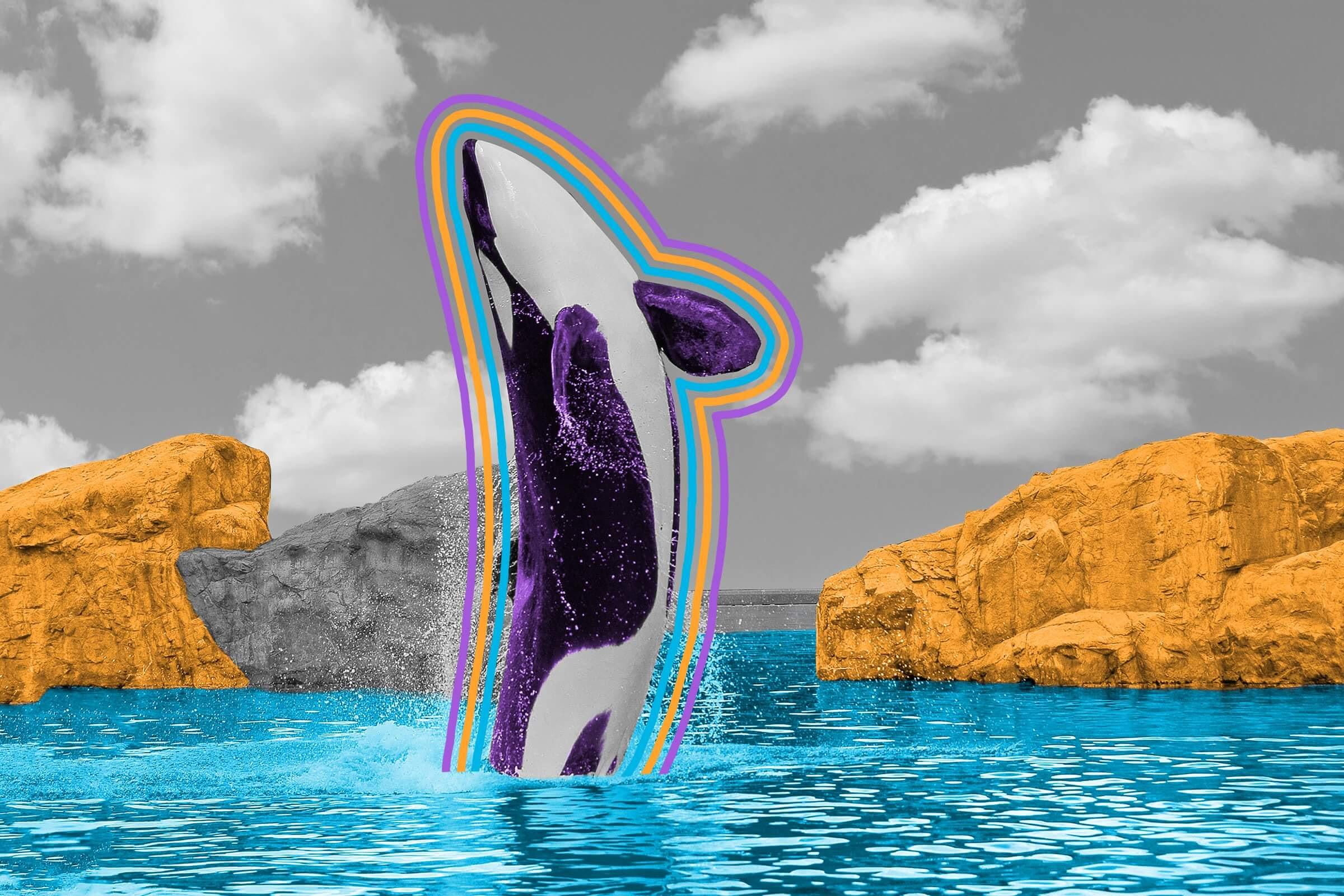
    There’s a reason orcas are better known as killer whales. They’re fierce predators, and they don’t always keep to the water in search of prey — in fact, they’ve even been known to hunt moose. This happens when a member of the largest deer species (yes, moose are deer) wades into the water, either in search of food or to elude land-based predators, and finds itself in the unfortunate position of being near an orca, which will eat pretty much anything. Such occurrences have been known to happen in the Pacific Northwest and Alaska, with one recorded incident resulting in the deaths of two moose.

    Orcas are thought to have received their nickname centuries ago, perhaps from a mistranslation. The theory posits that Basque fisherman observed them killing other whales and referred to them as “whale killers,” which became “killer whales” when translated to English. Their diet depends largely on where they live, but different ecotypes feed on everything from fish and seals to sharks and squid, with the occasional moose thrown in.


    No one knows why orcas keep attacking yachts.

    If you’ve read about killer whales in the last few years, it’s probably because they keep sinking yachts. There have been incidents in Cape Finisterre as well as the Strait of Gibraltar, with at least 500 orcas encountering boats since 2020. (Most of these go no further than the whales merely approaching the vessels, perhaps out of curiosity, but a number of them have resulted in sunken boats.) Scientists remain unsure about the whales’ motivations. Some think they’re merely having fun or even participating in a fad, which is apparently something killer whales do — for instance, one pod spent the summer of 1987 wearing dead salmon on their heads. Others believe it’s because they’ve had negative experiences with boats in the past, including losing members of their species to the vessels. Whatever the case, the creatures don’t seem to have personal beef with the humans onboard; there have been zero recorded cases of an orca killing a human in the wild.
    #Animals #KillerWhales
    Killer whales sometimes hunt moose. There’s a reason orcas are better known as killer whales. They’re fierce predators, and they don’t always keep to the water in search of prey — in fact, they’ve even been known to hunt moose. This happens when a member of the largest deer species (yes, moose are deer) wades into the water, either in search of food or to elude land-based predators, and finds itself in the unfortunate position of being near an orca, which will eat pretty much anything. Such occurrences have been known to happen in the Pacific Northwest and Alaska, with one recorded incident resulting in the deaths of two moose. Orcas are thought to have received their nickname centuries ago, perhaps from a mistranslation. The theory posits that Basque fisherman observed them killing other whales and referred to them as “whale killers,” which became “killer whales” when translated to English. Their diet depends largely on where they live, but different ecotypes feed on everything from fish and seals to sharks and squid, with the occasional moose thrown in. No one knows why orcas keep attacking yachts. If you’ve read about killer whales in the last few years, it’s probably because they keep sinking yachts. There have been incidents in Cape Finisterre as well as the Strait of Gibraltar, with at least 500 orcas encountering boats since 2020. (Most of these go no further than the whales merely approaching the vessels, perhaps out of curiosity, but a number of them have resulted in sunken boats.) Scientists remain unsure about the whales’ motivations. Some think they’re merely having fun or even participating in a fad, which is apparently something killer whales do — for instance, one pod spent the summer of 1987 wearing dead salmon on their heads. Others believe it’s because they’ve had negative experiences with boats in the past, including losing members of their species to the vessels. Whatever the case, the creatures don’t seem to have personal beef with the humans onboard; there have been zero recorded cases of an orca killing a human in the wild. #Animals #KillerWhales
    0 Comentários 0 Compartilhamentos 24923 Visualizações
Patrocinado

AI-powered Business Social

Join Kiosk Social and get your business seen, build links, grow relationships, and have fun.