


• 5 Tactics To Survive The Early Stages of Collapse - Add Yours Below!
    When society collapses, you don’t get a warning. No sirens. No alert on your phone. Just chaos.
    Here are 5 tactics to stay alive when everything falls apart.
    1. Lock Down and Secure Your Home Immediately The first wave of chaos brings looting, panic, and violence. Close and lock your windows and doors. Boarding up your windows will be even better. One really simple thing you can do is If you have a battery power driveway alarm, make sure its on.
    Arm your alarm system and check your cameras, they may still work for a little while and blackout curtains. Get your family inside and stay quiet. Don’t go outside unless it’s life or death.
    2. Don’t Say Anything Against the Police or Government
    In a collapse, tensions are high and governments may crack down hard on dissent. Avoid posting, texting, or talking about the police, military, or leadership—especially anything negative. You don’t know who’s listening, and in chaos, freedom of speech often disappears first. Stay silent and stay safe.
    3. Fill Water Containers Before the Tap Runs Dry The grid may still be barely functioning in the first few hours—use that time. Fill every clean container, bottle, tub, sink, pot, or bucket you can. You want at least 14 gallons per person, ideally more. Once water stops, it could stay off for weeks.
    4. Go Dark and Lay Low No lights, no fires, no noise. Stay out of sight, especially at night. People will be desperate and looking for homes to raid. Don’t advertise that you’re better prepared. Silence and invisibility are your greatest weapons in the first 24 hours.
    5. Arm Yourself and Stay Ready for Defense Keep a weapon within arm’s reach—firearm, blade, or improvised tool.

    5 Tactics To Survive The Early Stages of Collapse - Add Yours Below! When society collapses, you don’t get a warning. No sirens. No alert on your phone. Just chaos. Here are 5 tactics to stay alive when everything falls apart. 1. Lock Down and Secure Your Home Immediately The first wave of chaos brings looting, panic, and violence. Close and lock your windows and doors. Boarding up your windows will be even better. One really simple thing you can do is If you have a battery power driveway alarm, make sure its on. Arm your alarm system and check your cameras, they may still work for a little while and blackout curtains. Get your family inside and stay quiet. Don’t go outside unless it’s life or death. 2. Don’t Say Anything Against the Police or Government In a collapse, tensions are high and governments may crack down hard on dissent. Avoid posting, texting, or talking about the police, military, or leadership—especially anything negative. You don’t know who’s listening, and in chaos, freedom of speech often disappears first. Stay silent and stay safe. 3. Fill Water Containers Before the Tap Runs Dry The grid may still be barely functioning in the first few hours—use that time. Fill every clean container, bottle, tub, sink, pot, or bucket you can. You want at least 14 gallons per person, ideally more. Once water stops, it could stay off for weeks. 4. Go Dark and Lay Low No lights, no fires, no noise. Stay out of sight, especially at night. People will be desperate and looking for homes to raid. Don’t advertise that you’re better prepared. Silence and invisibility are your greatest weapons in the first 24 hours. 5. Arm Yourself and Stay Ready for Defense Keep a weapon within arm’s reach—firearm, blade, or improvised tool.

    Like
    1
    0 Kommentare 0 Anteile 1824 Ansichten
  • MINDSET AND SKILLS

    Preparedness is not only about gear and supplies. Your mindset and your skills decide how you respond under pressure. When people panic, they make bad decisions. When you stay calm, you think clearly and act with purpose. A strong mindset is one of the most powerful tools you can develop.

    Why Mindset Matters
    In every disaster, people who stay calm survive at higher rates. Panic shuts down your ability to plan. Fear makes small problems feel impossible. Preparedness gives you confidence because you already know what to do. When you understand the situation and your options, you do not freeze. You act.

    Learning One Skill At A Time
    Skills make life easier during any emergency. Fire making, navigation, basic cooking, simple repairs, first aid, and situational awareness all play a major role in survival. You do not need to become an expert overnight. Learn one new skill at a time. Pick something small and practice it until it feels natural. These skills stack. After a few months, you will be a completely different person.

    Fire Making
    Fire keeps you warm, cooks your food, boils your water, and signals for help. Practice with lighters, matches, and fire starters. Try making a fire in different weather conditions. Even a few attempts will teach you things you never knew you needed.

    Basic Cooking
    A lot of people do not know how to cook simple meals. In an emergency, this becomes a real problem. Learn how to cook rice, pasta, oats, and basic canned foods. These are the same foods you store, so cooking them well makes your life easier now and in a crisis.

    Navigation
    Most people rely on GPS. If your phone dies or the grid goes down, you need to know how to find your way. Learn how to read a basic map. Learn how to follow landmarks. These simple skills help you move confidently even when technology fails.

    Situational Awareness
    Awareness is noticing what others ignore. It protects you from danger before it gets close. When you walk into a building, pay attention to exits, crowds, and energy. When you walk outside, notice vehicles, noise, and movement. Situational awareness turns you from a target into someone who is alert and prepared.

    Confidence Through Preparedness
    The more skills you build, the more confident you become. Confidence lowers fear. When you know what to do and how to do it, emergencies feel smaller. You stop reacting emotionally and start responding logically. This is what separates real preppers from everyone else.

    Preparedness Is A Lifestyle
    Preparedness is not something you do once. It is a mindset you carry with you for life. You stay aware. You stay ready. You keep learning. You take responsibility for yourself and your family. That mindset helps you in every area of your life, not just emergencies.
    MINDSET AND SKILLS Preparedness is not only about gear and supplies. Your mindset and your skills decide how you respond under pressure. When people panic, they make bad decisions. When you stay calm, you think clearly and act with purpose. A strong mindset is one of the most powerful tools you can develop. Why Mindset Matters In every disaster, people who stay calm survive at higher rates. Panic shuts down your ability to plan. Fear makes small problems feel impossible. Preparedness gives you confidence because you already know what to do. When you understand the situation and your options, you do not freeze. You act. Learning One Skill At A Time Skills make life easier during any emergency. Fire making, navigation, basic cooking, simple repairs, first aid, and situational awareness all play a major role in survival. You do not need to become an expert overnight. Learn one new skill at a time. Pick something small and practice it until it feels natural. These skills stack. After a few months, you will be a completely different person. Fire Making Fire keeps you warm, cooks your food, boils your water, and signals for help. Practice with lighters, matches, and fire starters. Try making a fire in different weather conditions. Even a few attempts will teach you things you never knew you needed. Basic Cooking A lot of people do not know how to cook simple meals. In an emergency, this becomes a real problem. Learn how to cook rice, pasta, oats, and basic canned foods. These are the same foods you store, so cooking them well makes your life easier now and in a crisis. Navigation Most people rely on GPS. If your phone dies or the grid goes down, you need to know how to find your way. Learn how to read a basic map. Learn how to follow landmarks. These simple skills help you move confidently even when technology fails. Situational Awareness Awareness is noticing what others ignore. It protects you from danger before it gets close. When you walk into a building, pay attention to exits, crowds, and energy. When you walk outside, notice vehicles, noise, and movement. Situational awareness turns you from a target into someone who is alert and prepared. Confidence Through Preparedness The more skills you build, the more confident you become. Confidence lowers fear. When you know what to do and how to do it, emergencies feel smaller. You stop reacting emotionally and start responding logically. This is what separates real preppers from everyone else. Preparedness Is A Lifestyle Preparedness is not something you do once. It is a mindset you carry with you for life. You stay aware. You stay ready. You keep learning. You take responsibility for yourself and your family. That mindset helps you in every area of your life, not just emergencies.
    Love
    1
    0 Kommentare 0 Anteile 3498 Ansichten
  • HOME DEFENSE

    Your home is your base during any emergency. It is where you store your food, water, medical supplies, and your family’s security. When society gets stressed, crime rises. When people get desperate, they look for easy targets. Home defense is not about being aggressive. It is about protecting what is yours and making sure your house is never viewed as an easy opportunity.

    What Makes A Home A Target
    Criminals look for weakness. Dark yards. Unlocked doors. No cameras. No noise. No visible signs of activity. A house with poor lighting and no security measures looks like an easy win. During a crisis, this becomes even more true. People take more risks when they are hungry or scared. The goal is to make your home look harder to approach than the others.

    Securing Doors And Windows
    Most break ins happen through doors and windows. Strengthen your doors with good deadbolts, long screws in the hinges, and strong door frames. Window locks should be checked and working. If you live in a risky area or expect civil unrest, window security film adds another layer that makes glass harder to break. Small upgrades make a big difference.

    Lighting Your Yard
    A dark property is an invitation. Motion lights, solar lights, and porch lights remove hiding spots. When your yard is bright, people think twice before coming near it. Lighting is one of the cheapest but most effective home defense upgrades you can make.

    Dogs And Alarms
    A dog is one of the best early warning systems in the world. Even a small dog can make noise and alert you before someone gets close. If you cannot have a dog, a good alarm system and some basic sensors help a lot. The goal is awareness. You want to know if anyone is around your home before they get close.

    Basic Self Defense Tools
    You should have simple tools you can use if someone breaks in. This depends on your comfort and local laws, but every home should have at least something for defense. Even basic items like pepper spray, personal alarms, or a heavy flashlight can stop someone long enough for you to escape or call for help. Defense is not about fighting. It is about giving yourself a chance to survive.

    Making Your Home Look Occupied
    Criminals avoid homes that look active. Leave a light on at night. Use timers. Keep your yard clean. Do not let mail or packages build up. During a long emergency, make sure it always looks like people are awake and alert. Appearance alone can prevent trouble.

    Awareness Inside The Home
    Home defense is not only about the outside. Everyone in the house should know the plan. Where to gather if something happens. Which door to exit from. Where the phone is. Where the lights are. Who watches the cameras. A simple plan keeps panic under control.

    Home defense is about confidence and control. When your home is secure, every other part of preparedness becomes easier. You sleep better. You worry less. You focus on taking care of your family instead of reacting to danger.
    HOME DEFENSE Your home is your base during any emergency. It is where you store your food, water, medical supplies, and your family’s security. When society gets stressed, crime rises. When people get desperate, they look for easy targets. Home defense is not about being aggressive. It is about protecting what is yours and making sure your house is never viewed as an easy opportunity. What Makes A Home A Target Criminals look for weakness. Dark yards. Unlocked doors. No cameras. No noise. No visible signs of activity. A house with poor lighting and no security measures looks like an easy win. During a crisis, this becomes even more true. People take more risks when they are hungry or scared. The goal is to make your home look harder to approach than the others. Securing Doors And Windows Most break ins happen through doors and windows. Strengthen your doors with good deadbolts, long screws in the hinges, and strong door frames. Window locks should be checked and working. If you live in a risky area or expect civil unrest, window security film adds another layer that makes glass harder to break. Small upgrades make a big difference. Lighting Your Yard A dark property is an invitation. Motion lights, solar lights, and porch lights remove hiding spots. When your yard is bright, people think twice before coming near it. Lighting is one of the cheapest but most effective home defense upgrades you can make. Dogs And Alarms A dog is one of the best early warning systems in the world. Even a small dog can make noise and alert you before someone gets close. If you cannot have a dog, a good alarm system and some basic sensors help a lot. The goal is awareness. You want to know if anyone is around your home before they get close. Basic Self Defense Tools You should have simple tools you can use if someone breaks in. This depends on your comfort and local laws, but every home should have at least something for defense. Even basic items like pepper spray, personal alarms, or a heavy flashlight can stop someone long enough for you to escape or call for help. Defense is not about fighting. It is about giving yourself a chance to survive. Making Your Home Look Occupied Criminals avoid homes that look active. Leave a light on at night. Use timers. Keep your yard clean. Do not let mail or packages build up. During a long emergency, make sure it always looks like people are awake and alert. Appearance alone can prevent trouble. Awareness Inside The Home Home defense is not only about the outside. Everyone in the house should know the plan. Where to gather if something happens. Which door to exit from. Where the phone is. Where the lights are. Who watches the cameras. A simple plan keeps panic under control. Home defense is about confidence and control. When your home is secure, every other part of preparedness becomes easier. You sleep better. You worry less. You focus on taking care of your family instead of reacting to danger.
    Love
    1
    0 Kommentare 0 Anteile 4898 Ansichten
  • Easy 1x2 offers you
    • A virtual office where you can view your 1x2 Boards in real time ;
    • History of all your donations given and all your donations received ;
    • Lists and statistics on your team (your downline) including their progress
    through the Stages, starting from the people who join you ;
    • A personalized website to welcome your guests ;
    • Email alerts to notify you of new guest registrations and each time
    a new donation is on its way to you ;
    • A support service to answer your questions.
    All you have left to do :
    Tell people about us and confirm the donations you receive by a simple click !
    https://easyas1x2.com
    #Easyas1x2
    Easy 1x2 offers you • A virtual office where you can view your 1x2 Boards in real time ; • History of all your donations given and all your donations received ; • Lists and statistics on your team (your downline) including their progress through the Stages, starting from the people who join you ; • A personalized website to welcome your guests ; • Email alerts to notify you of new guest registrations and each time a new donation is on its way to you ; • A support service to answer your questions. All you have left to do : Tell people about us and confirm the donations you receive by a simple click ! https://easyas1x2.com #Easyas1x2
    0 Kommentare 0 Anteile 6796 Ansichten
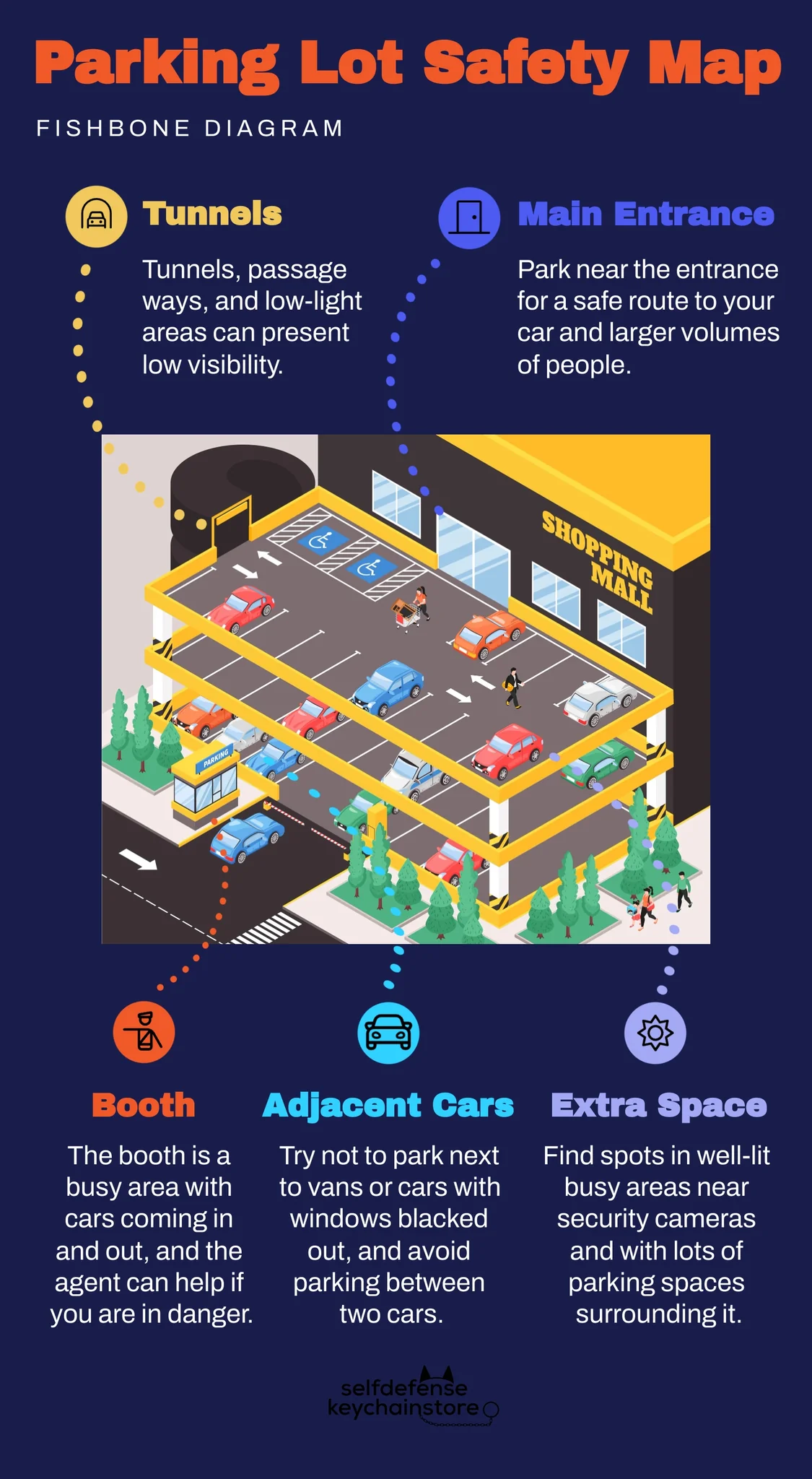
  • Parking Lot Safety Map
    1. Tunnels
    Tunnels, passageways, and low-lit areas can present low visibility and you should avoid parking next to them. They allow criminals and perpetrators to hide in the darkness while seeking a victim.

    2. Main Entrance
    Park near the main entrance for a safe and easy route to and from your car, and larger volumes of people. Spots close to the entrance are highly desired, so you may have to find the closest spot available to the entrance.

    3. Booth
    The booth is typically one of the safest areas of a parking lot. It is stationed by a booth agent, has the highest volume of entering and exiting cars, and is normally under security surveillance. Find the booth in the parking lot if you are in danger or need help from the agent.

    4. Adjacent Cars
    Try not to park next to adjacent cars or vans that have their windows blacked out, as this is a common method criminals use to abduct unsuspecting victims when they are entering or exiting their vehicles. Also try to avoid parking between two cars, as you can get boxed in by a third car and robbed.

    5. Extra Space
    Find spots in well-lit busy areas near security cameras and with lots of empty parking spaces surrounding them. Open space, illuminated areas, and security cameras are deterrents for criminals.

    Other Parking Lot Safety Tips
    Stay alert when exiting and entering your car by keeping your head on a swivel.
    Lock your doors immediately upon entering your car so anyone following you won't be able to catch you off guard.
    Arm and ready yourself with accessible self defense weapons like kubatons, cat ears, or pepper spray so you can defend yourself in the face of immediate danger.
    Plan your approach and departure by knowing where your car is, having your keys ready, and not lingering in the parking lot.
    Trust your instincts. If someone or a situation feels weird, trust your gut and don't continue. You can call law enforcement or ask the store's security personnel if they can accompany you to your car.
    #armyourself
    Parking Lot Safety Map 1. Tunnels Tunnels, passageways, and low-lit areas can present low visibility and you should avoid parking next to them. They allow criminals and perpetrators to hide in the darkness while seeking a victim. 2. Main Entrance Park near the main entrance for a safe and easy route to and from your car, and larger volumes of people. Spots close to the entrance are highly desired, so you may have to find the closest spot available to the entrance. 3. Booth The booth is typically one of the safest areas of a parking lot. It is stationed by a booth agent, has the highest volume of entering and exiting cars, and is normally under security surveillance. Find the booth in the parking lot if you are in danger or need help from the agent. 4. Adjacent Cars Try not to park next to adjacent cars or vans that have their windows blacked out, as this is a common method criminals use to abduct unsuspecting victims when they are entering or exiting their vehicles. Also try to avoid parking between two cars, as you can get boxed in by a third car and robbed. 5. Extra Space Find spots in well-lit busy areas near security cameras and with lots of empty parking spaces surrounding them. Open space, illuminated areas, and security cameras are deterrents for criminals. Other Parking Lot Safety Tips Stay alert when exiting and entering your car by keeping your head on a swivel. Lock your doors immediately upon entering your car so anyone following you won't be able to catch you off guard. Arm and ready yourself with accessible self defense weapons like kubatons, cat ears, or pepper spray so you can defend yourself in the face of immediate danger. Plan your approach and departure by knowing where your car is, having your keys ready, and not lingering in the parking lot. Trust your instincts. If someone or a situation feels weird, trust your gut and don't continue. You can call law enforcement or ask the store's security personnel if they can accompany you to your car. #armyourself
    0 Kommentare 0 Anteile 17759 Ansichten
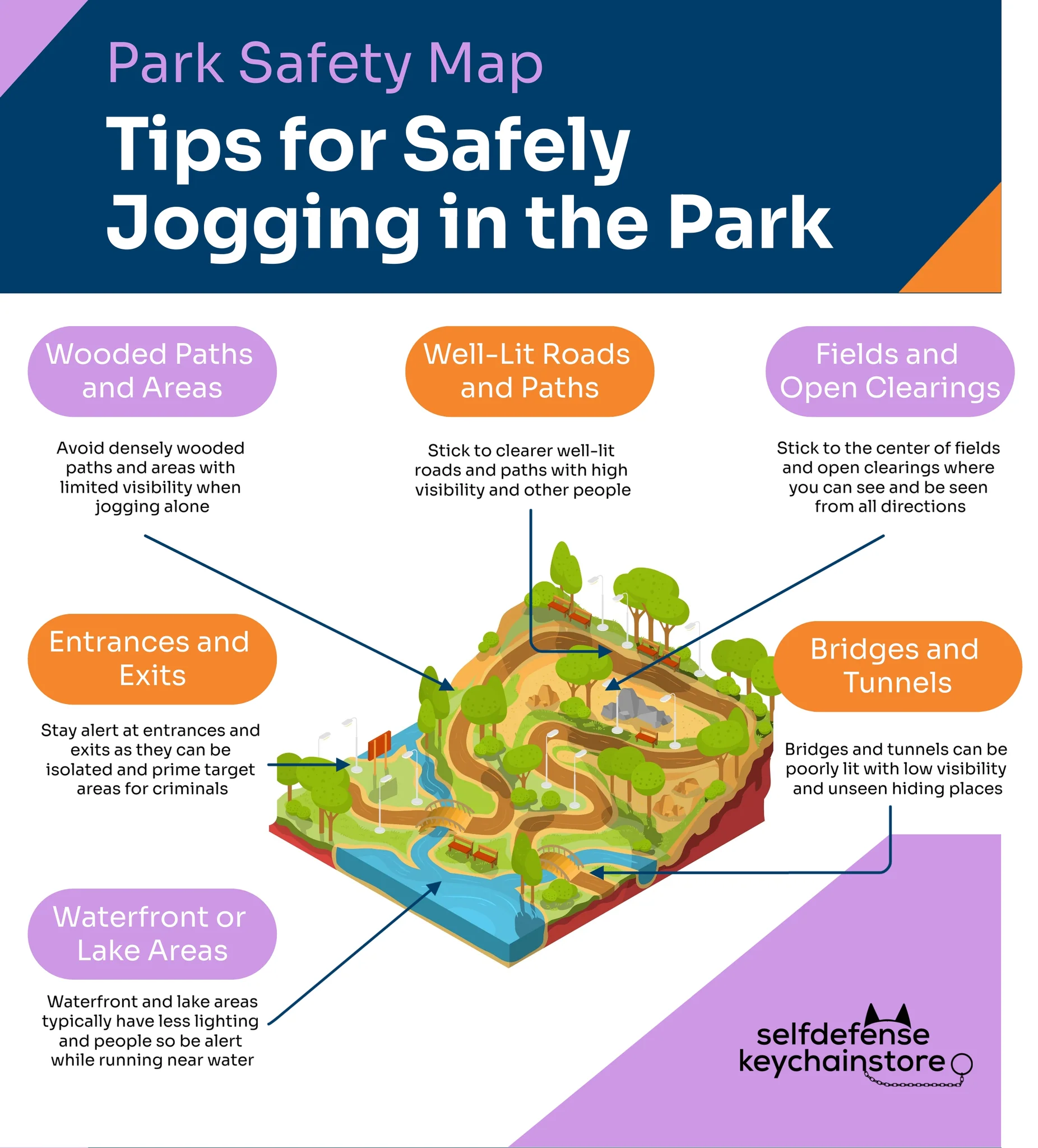
  • Park Safety Map for Joggers & Runners
    Use this park safety map to learn about the different areas of the park and their safety considerations.

    This is a general park safety map and all parks and outdoor environments may be different.

    Wooded Paths and Areas
    Wooded paths and dense areas of a park should generally be avoided if you're jogging because they possess natural seclusion and limited visibility.

    There is normally heavy tree cover, bushes and undergrowth, and winding trails which all lead to obscure sightlines and difficulty in using situational awareness and observing strangers from a distance.

    Due to their limited sunlight and rugged terrain, they are also often sparely populated which leads to less bystanders that can intervene if necessary.

    And the lack of lighting and quieter atmosphere provides cover for predators with bad intentions.

    Lastly, the uneven terrain and hidden roots or branches can be dangerous, making it harder to react quickly or change direction if you sense danger.

    Entrances and Exits
    Park entrances and exits can be dangerous for runners because they often involve transitioning through less populated isolated areas like parking lots or side streets.

    These "transition areas" are typically quieter, especially in the early morning or evening, making it easier for predators to stalk their victims. The lack of foot traffic and normal poor lighting also increases the risk of being targeted in these areas.

    Since people often let their guard down when arriving or leaving, runners may become more vulnerable in these areas. Staying alert, having your self-defense products ready, and avoiding lingering near entrances or exits can help reduce these risks.

    Waterfront or Lake Areas
    Waterfronts and lake areas can pose dangerous conditions for runners due to how desolate they can get and their natural terrain that's advantageous for predators.

    Running paths along lakes and waterways are often very desolate and contain few exit points since one whole side of the path is bordered by water. The other side is often bordered by dense woods or forest terrain which make running paths closed off with limited visibility.

    The variable terrain leading down from the normal ground to the water allows for favorable hiding spots for predators.

    The water's natural sounds and noises can also provide coverage for a predator.

    Well-Lit Roads & Paths
    Well-lit roads and paths are the best options for runners and joggers in parks at any hour of the day since they are normally the most populated and provide greater visibility even in darker settings.

    These well-lit areas are typically popular running routes and therefore discourage criminals from loitering in those areas. If something were to happen, there are normally bystanders or other runners in the area to call for help or personally intervene.

    Fields and Open Clearings
    Fields and open clearings are typically populated by families, children, and groups of adults, which make them great for running or jogging. The presence of recreational activities and gathering points increases the likelihood of bystanders and decreases the likelihood of violent crime.

    Open areas also provide a clear line of sight and greater visibility with less obstructions, which makes it easier to observe people from far away and evaluate their risk level.

    There's also more space to maneuver if someone were to present a risk, and you'd be provided with several different escape routes if necessary.

    Bridges and Tunnels
    Bridges and tunnels can be a potential area of concern for joggers due to their enclosed nature and limited visibility. A bridge or tunnel typically only has two ends and therefore only two escape routes if someone were to attack you.

    Bridges and tunnels also normally don't have much lighting or very poor lighting which hinders visibility. As mentioned earlier, the water's natural sounds provide coverage for a predator and added elements that can throw off a jogger.
    #armyourself
    Park Safety Map for Joggers & Runners Use this park safety map to learn about the different areas of the park and their safety considerations. This is a general park safety map and all parks and outdoor environments may be different. Wooded Paths and Areas Wooded paths and dense areas of a park should generally be avoided if you're jogging because they possess natural seclusion and limited visibility. There is normally heavy tree cover, bushes and undergrowth, and winding trails which all lead to obscure sightlines and difficulty in using situational awareness and observing strangers from a distance. Due to their limited sunlight and rugged terrain, they are also often sparely populated which leads to less bystanders that can intervene if necessary. And the lack of lighting and quieter atmosphere provides cover for predators with bad intentions. Lastly, the uneven terrain and hidden roots or branches can be dangerous, making it harder to react quickly or change direction if you sense danger. Entrances and Exits Park entrances and exits can be dangerous for runners because they often involve transitioning through less populated isolated areas like parking lots or side streets. These "transition areas" are typically quieter, especially in the early morning or evening, making it easier for predators to stalk their victims. The lack of foot traffic and normal poor lighting also increases the risk of being targeted in these areas. Since people often let their guard down when arriving or leaving, runners may become more vulnerable in these areas. Staying alert, having your self-defense products ready, and avoiding lingering near entrances or exits can help reduce these risks. Waterfront or Lake Areas Waterfronts and lake areas can pose dangerous conditions for runners due to how desolate they can get and their natural terrain that's advantageous for predators. Running paths along lakes and waterways are often very desolate and contain few exit points since one whole side of the path is bordered by water. The other side is often bordered by dense woods or forest terrain which make running paths closed off with limited visibility. The variable terrain leading down from the normal ground to the water allows for favorable hiding spots for predators. The water's natural sounds and noises can also provide coverage for a predator. Well-Lit Roads & Paths Well-lit roads and paths are the best options for runners and joggers in parks at any hour of the day since they are normally the most populated and provide greater visibility even in darker settings. These well-lit areas are typically popular running routes and therefore discourage criminals from loitering in those areas. If something were to happen, there are normally bystanders or other runners in the area to call for help or personally intervene. Fields and Open Clearings Fields and open clearings are typically populated by families, children, and groups of adults, which make them great for running or jogging. The presence of recreational activities and gathering points increases the likelihood of bystanders and decreases the likelihood of violent crime. Open areas also provide a clear line of sight and greater visibility with less obstructions, which makes it easier to observe people from far away and evaluate their risk level. There's also more space to maneuver if someone were to present a risk, and you'd be provided with several different escape routes if necessary. Bridges and Tunnels Bridges and tunnels can be a potential area of concern for joggers due to their enclosed nature and limited visibility. A bridge or tunnel typically only has two ends and therefore only two escape routes if someone were to attack you. Bridges and tunnels also normally don't have much lighting or very poor lighting which hinders visibility. As mentioned earlier, the water's natural sounds provide coverage for a predator and added elements that can throw off a jogger. #armyourself
    0 Kommentare 0 Anteile 24826 Ansichten
Gesponsert

Buy Me A Coffee.

If You Would Like To Support Social Follow, Please Go To Buy Me A Coffee, Thank You. https://www.buymeacoffee.com/socialfollowme