• Assessing A Safe Property After The Collapse
    Alright listen. If you want to survive a real collapse, you need to understand one thing: your terrain can save your life or get you killed.
    And the people who survive are the ones who know how to read the terrain and ground. That's where OCOKA comes in.
    OCOKA is an acronym. It stands for Observation, Cover and Concealment, Obstacles, Key Terrain, and Avenues of Approach. you can use it to evaluate any environment before you move. And preppers can use it the exact same way for home defense, bug out locations, or choosing a safe shelter in a post collapse world.
    First, O is for Observation. This means what you can see and what others can see of you. If you're defending your home or evaluating a building, ask yourself: can you spot threats early, or are you blind until they’re right on you? The more visibility you have, the more reaction time you have.
    Second, C is for Cover and Concealment. Cover protects you from bullets. Concealment only hides you. You need both. Look at your house, your cabin, or any structure you're checking. Where can you take real cover that actually stops rounds? And where can you stay hidden without exposing yourself?
    Third, O is for Obstacles. These are anything that slows movement. Fences, debris, locked doors, terrain features. Good obstacles slow down attackers but don't slow you down. If you enter a building and everything is wide open with no chokepoints, that's a bad defensive position.
    Fourth, K is for Key Terrain. This is ground that gives you a major advantage if you control it. High ground. Narrow entrances. A structure with only one staircase. A cabin overlooking a valley. If you're choosing a bug out spot or evaluating a random shelter, always choose the one that gives you a natural tactical advantage.
    Last, A is for Avenues of Approach. These are the routes someone can take to reach you. Roads, hallways, alleys, staircases, trails. You need to identify every single one. Which paths attackers would use, which ones give them speed, which force them into bottlenecks, and which route is your safest exit if things go bad.
    OCOKA turns any location into a tactical map. Your home. Your bug out location. A random building you find after a collapse. Once you understand the acronym and apply it automatically, you stop looking at terrain like a normal person and start seeing threats, advantages, and weaknesses instantly.
    Assessing A Safe Property After The Collapse Alright listen. If you want to survive a real collapse, you need to understand one thing: your terrain can save your life or get you killed. And the people who survive are the ones who know how to read the terrain and ground. That's where OCOKA comes in. OCOKA is an acronym. It stands for Observation, Cover and Concealment, Obstacles, Key Terrain, and Avenues of Approach. you can use it to evaluate any environment before you move. And preppers can use it the exact same way for home defense, bug out locations, or choosing a safe shelter in a post collapse world. First, O is for Observation. This means what you can see and what others can see of you. If you're defending your home or evaluating a building, ask yourself: can you spot threats early, or are you blind until they’re right on you? The more visibility you have, the more reaction time you have. Second, C is for Cover and Concealment. Cover protects you from bullets. Concealment only hides you. You need both. Look at your house, your cabin, or any structure you're checking. Where can you take real cover that actually stops rounds? And where can you stay hidden without exposing yourself? Third, O is for Obstacles. These are anything that slows movement. Fences, debris, locked doors, terrain features. Good obstacles slow down attackers but don't slow you down. If you enter a building and everything is wide open with no chokepoints, that's a bad defensive position. Fourth, K is for Key Terrain. This is ground that gives you a major advantage if you control it. High ground. Narrow entrances. A structure with only one staircase. A cabin overlooking a valley. If you're choosing a bug out spot or evaluating a random shelter, always choose the one that gives you a natural tactical advantage. Last, A is for Avenues of Approach. These are the routes someone can take to reach you. Roads, hallways, alleys, staircases, trails. You need to identify every single one. Which paths attackers would use, which ones give them speed, which force them into bottlenecks, and which route is your safest exit if things go bad. OCOKA turns any location into a tactical map. Your home. Your bug out location. A random building you find after a collapse. Once you understand the acronym and apply it automatically, you stop looking at terrain like a normal person and start seeing threats, advantages, and weaknesses instantly.
    0 Comments 0 Shares 1567 Views
  • Drones Will Be Used Against You After The Collapse, Here's How To Fight Back!.
    -----------
    When society collapses, whether through war, economic destruction, civil unrest, or some other large-scale disaster, most people imagine chaos in the streets, empty grocery stores, and people fighting over basic resources. But there’s another threat you need to be prepared for. One that flies silently overhead and could strike you before you even know you’re being watched. I’m talking about drones.
    As someone who’s been researching prepping, reading articles, studying books, and creating survival content, I see a lot of talk about the same cookie-cutter topics. Water filtration, food storage, home invasions, and civil unrest. But I rarely see anyone talking about drones, or even asking me about them, and that’s a mistake. Drones are already a massive part of our world. They are used by hobbyists, by militaries, by law enforcement, and even by cartels. After a collapse, I truly believe drones will become a major concern, and not many people are thinking about it now, but they should be.
    To see for myself how accessible this tech is, I even ordered a couple drones off of AliExpress. They were cheap, around thirty dollars each. And they worked. I also saw higher-end models being sold with full HD cameras, 50 times zoom, and flight times of twenty-two to thirty minutes, all for under two hundred dollars. You can get much better ones from companies like DJI. This kind of technology is available to anyone. After the collapse, criminals will absolutely use it the wrong way. Let’s break it down.
    How Criminals Will Use Drones After the Collapse
    If the power grid fails, the economy crashes, or civil war breaks out, drones will quickly become a critical tool for attackers. They are cheap, quiet, and extremely effective. And they will be used to scout, surveil, and attack.
    The first and most obvious use will be reconnaissance. Criminals or roaming gangs will launch drones to fly over neighborhoods, countryside roads, and forested areas to look for signs of human activity. They will be scanning for solar panels on rooftops, vegetable gardens in your backyard, rainwater catchment barrels, smoke coming from chimneys, or even livestock.
    If you’ve bugged out to a remote camp, don’t think you’re automatically safe. Drones can cover miles of wilderness and pick up trails, tracks, or even heat signatures from above. That camo tarp you set up may look hidden from the ground, but from the air, it might stand out like a billboard.
    Some drones will have thermal imaging, which means they do not need daylight to find you. They can detect your body heat, the warmth of a running generator, or even a campfire. If you're cooking outside, they’ll see the heat plume. If you're walking in the dark, they’ll see your body glowing in infrared. Unless you actively work to hide that heat, you’re vulnerable. And they won’t just use these drones to watch. Some will use them to strike.
    Drones Will Be Weaponized
    In war zones like Ukraine, we’re already seeing what’s possible. Commercial drones are being modified to drop improvised explosives on enemy positions. You can find footage of drones dropping grenades through sunroofs or into trenches. The same thing can happen to you.
    Post-collapse, criminals will use drones to drop pipe bombs, Molotov cocktails, smoke bombs, or homemade incendiaries onto homes, vehicles, or camps. A single road flare dropped into dry brush could start a wildfire. A smoke bomb tossed into your backyard could confuse you long enough for them to rush your property. Some may drop rocks or debris through skylights to distract you before a ground attack. This is asymmetric warfare adapted for the collapse.
    If you’ve made enemies, or if you’re guarding something valuable, drones will be part of their toolkit. They will scout, test your defenses, and possibly attack from above.
    Do Not Advertise What You Have
    One of the biggest mistakes people make in a collapse is showing what they have. If you own something that desperate people might want, keep it covered or bring it inside when it's not in use. That includes your generator, solar panels, rain barrels, even buckets and gardening tools. A drone flying overhead for two minutes can take a dozen high-resolution photos of your property. They’ll know what you have, what time you’re active, and whether you’re worth robbing.
    You don’t need to live in fear, but you do need to live smart. If you’ve got gear, hide it. If you’re growing food, put it behind fencing or netting that breaks up the visual pattern from above. If your generator is running, place it in a shed or behind a sandbag wall. Muffle the noise and block the heat. Noise attracts people. Heat attracts drones. You cannot afford to make yourself a target.
    How to Defend Yourself from Drones
    You are not helpless. You can fight back. Start by limiting your visibility and heat signature. If you’re moving during the day in open areas, you’re easy to spot. Travel at night. Stay close to trees and shaded terrain. Forest canopies interfere with a drone’s line of sight and break up your outline.
    To protect yourself from thermal drones, use mylar emergency blankets. These shiny blankets reflect heat and can distort your infrared signature. Wrap your shelter. Line the inside of your tarp. Cover stored gear. They won’t make you invisible, but they may throw off the drone’s thermal sensor just enough to protect you.
    Now let’s talk about how to bring them down.
    Shotguns. In Ukraine, soldiers and mercenaries have confirmed that 12-gauge shotguns with birdshot are highly effective against drones. One operator said he uses a Mossberg 500 and has downed multiple drones with ease. Birdshot gives you a wide spread, so you don’t need perfect aim. Just the right timing and angle.
    Slingshots. If you want a quieter option, a high-powered slingshot is a great tool. Loaded with steel balls, marbles, or rocks, it can take down drones silently and without giving away your location. Slingshots are legal in most places and don’t require ammo you can’t find or make. They are light, reusable, and surprisingly powerful.
    Anti-drone guns. These are more advanced tools that jam a drone’s signal using radio frequencies, causing it to crash or return home. They are expensive, starting around four thousand dollars, but if you are defending a large property, a group, or critical resources, they may be worth it.
    Sandbags. Don’t underestimate them. Stack sandbags around your rooftop, generator, garden, or fuel stores. They block line of sight and absorb damage from explosives. Even a small sandbag wall around your gear could be the reason a drone fails to hit its mark.
    Fire is a Weapon. Prepare for It
    If drones are dropping flares or incendiaries, fire is going to be one of your biggest threats. You must be ready.
    Every household should have at least two to four fire extinguishers rated for Class A, B, and C fires. That means fires caused by solids, flammable liquids, and electrical sources. Keep one near your back door, one in the kitchen, one in your garage, and one near your generator or tools. If you live on a homestead or larger property, have extras near fuel, outbuildings, and sheds.
    Fires can spread fast, and in a collapse, there’s no fire department coming to save you. Your only option is to put it out yourself or watch everything you’ve built burn.
    Expect Injuries. Build a Trauma Kit
    Drones dropping explosives or sharp objects will cause injuries. And if you’re hit, you need more than a box of bandages.
    You need a trauma kit. A real one.
    Here’s what every prepper household should have:
    Tourniquets like CAT or SOFTT-W
    Pressure dressings such as Israeli bandages
    Compressed gauze for wound packing
    Hemostatic agents like QuikClot or Celox
    Chest seals for puncture wounds
    Nitrile gloves
    Trauma shears
    A nasopharyngeal airway with lube
    Burn dressings or sterile burn sheets
    Antiseptic wipes or iodine swabs
    Eye shield and eyewash solution
    SAM splint for fractures
    Permanent marker to note tourniquet times
    Emergency blanket
    Basic trauma instructions in case someone else has to treat you
    Train your group to use these tools. Don’t just own the kit. Know the kit. At the very least, if you don’t want to take an in person course, watch youtube videos from experts to see how you can use each item. Remember that when the collapse hits, you are your own medic.
    My Final Warning
    Drones are not just military tech. After the collapse, they will be used by gangs, looters, and anyone with bad intentions and access to basic tech. They do not need the power grid. They can be charged using solar panels, car batteries, or scavenged power stations. They’re quiet, fast, and deadly.
    They will be used to scout your property, track your movements, cause chaos, start fires, and even kill. And they will be used by people in your own community, not just by organized forces or governments.
    Hide your gear. Conceal your heat. Fortify your home. Train your eyes to the sky. Be ready to defend not just against what’s coming through the door, but what’s flying over it.
    Keep prepping!

    Drones Will Be Used Against You After The Collapse, Here's How To Fight Back!. ----------- When society collapses, whether through war, economic destruction, civil unrest, or some other large-scale disaster, most people imagine chaos in the streets, empty grocery stores, and people fighting over basic resources. But there’s another threat you need to be prepared for. One that flies silently overhead and could strike you before you even know you’re being watched. I’m talking about drones. As someone who’s been researching prepping, reading articles, studying books, and creating survival content, I see a lot of talk about the same cookie-cutter topics. Water filtration, food storage, home invasions, and civil unrest. But I rarely see anyone talking about drones, or even asking me about them, and that’s a mistake. Drones are already a massive part of our world. They are used by hobbyists, by militaries, by law enforcement, and even by cartels. After a collapse, I truly believe drones will become a major concern, and not many people are thinking about it now, but they should be. To see for myself how accessible this tech is, I even ordered a couple drones off of AliExpress. They were cheap, around thirty dollars each. And they worked. I also saw higher-end models being sold with full HD cameras, 50 times zoom, and flight times of twenty-two to thirty minutes, all for under two hundred dollars. You can get much better ones from companies like DJI. This kind of technology is available to anyone. After the collapse, criminals will absolutely use it the wrong way. Let’s break it down. How Criminals Will Use Drones After the Collapse If the power grid fails, the economy crashes, or civil war breaks out, drones will quickly become a critical tool for attackers. They are cheap, quiet, and extremely effective. And they will be used to scout, surveil, and attack. The first and most obvious use will be reconnaissance. Criminals or roaming gangs will launch drones to fly over neighborhoods, countryside roads, and forested areas to look for signs of human activity. They will be scanning for solar panels on rooftops, vegetable gardens in your backyard, rainwater catchment barrels, smoke coming from chimneys, or even livestock. If you’ve bugged out to a remote camp, don’t think you’re automatically safe. Drones can cover miles of wilderness and pick up trails, tracks, or even heat signatures from above. That camo tarp you set up may look hidden from the ground, but from the air, it might stand out like a billboard. Some drones will have thermal imaging, which means they do not need daylight to find you. They can detect your body heat, the warmth of a running generator, or even a campfire. If you're cooking outside, they’ll see the heat plume. If you're walking in the dark, they’ll see your body glowing in infrared. Unless you actively work to hide that heat, you’re vulnerable. And they won’t just use these drones to watch. Some will use them to strike. Drones Will Be Weaponized In war zones like Ukraine, we’re already seeing what’s possible. Commercial drones are being modified to drop improvised explosives on enemy positions. You can find footage of drones dropping grenades through sunroofs or into trenches. The same thing can happen to you. Post-collapse, criminals will use drones to drop pipe bombs, Molotov cocktails, smoke bombs, or homemade incendiaries onto homes, vehicles, or camps. A single road flare dropped into dry brush could start a wildfire. A smoke bomb tossed into your backyard could confuse you long enough for them to rush your property. Some may drop rocks or debris through skylights to distract you before a ground attack. This is asymmetric warfare adapted for the collapse. If you’ve made enemies, or if you’re guarding something valuable, drones will be part of their toolkit. They will scout, test your defenses, and possibly attack from above. Do Not Advertise What You Have One of the biggest mistakes people make in a collapse is showing what they have. If you own something that desperate people might want, keep it covered or bring it inside when it's not in use. That includes your generator, solar panels, rain barrels, even buckets and gardening tools. A drone flying overhead for two minutes can take a dozen high-resolution photos of your property. They’ll know what you have, what time you’re active, and whether you’re worth robbing. You don’t need to live in fear, but you do need to live smart. If you’ve got gear, hide it. If you’re growing food, put it behind fencing or netting that breaks up the visual pattern from above. If your generator is running, place it in a shed or behind a sandbag wall. Muffle the noise and block the heat. Noise attracts people. Heat attracts drones. You cannot afford to make yourself a target. How to Defend Yourself from Drones You are not helpless. You can fight back. Start by limiting your visibility and heat signature. If you’re moving during the day in open areas, you’re easy to spot. Travel at night. Stay close to trees and shaded terrain. Forest canopies interfere with a drone’s line of sight and break up your outline. To protect yourself from thermal drones, use mylar emergency blankets. These shiny blankets reflect heat and can distort your infrared signature. Wrap your shelter. Line the inside of your tarp. Cover stored gear. They won’t make you invisible, but they may throw off the drone’s thermal sensor just enough to protect you. Now let’s talk about how to bring them down. Shotguns. In Ukraine, soldiers and mercenaries have confirmed that 12-gauge shotguns with birdshot are highly effective against drones. One operator said he uses a Mossberg 500 and has downed multiple drones with ease. Birdshot gives you a wide spread, so you don’t need perfect aim. Just the right timing and angle. Slingshots. If you want a quieter option, a high-powered slingshot is a great tool. Loaded with steel balls, marbles, or rocks, it can take down drones silently and without giving away your location. Slingshots are legal in most places and don’t require ammo you can’t find or make. They are light, reusable, and surprisingly powerful. Anti-drone guns. These are more advanced tools that jam a drone’s signal using radio frequencies, causing it to crash or return home. They are expensive, starting around four thousand dollars, but if you are defending a large property, a group, or critical resources, they may be worth it. Sandbags. Don’t underestimate them. Stack sandbags around your rooftop, generator, garden, or fuel stores. They block line of sight and absorb damage from explosives. Even a small sandbag wall around your gear could be the reason a drone fails to hit its mark. Fire is a Weapon. Prepare for It If drones are dropping flares or incendiaries, fire is going to be one of your biggest threats. You must be ready. Every household should have at least two to four fire extinguishers rated for Class A, B, and C fires. That means fires caused by solids, flammable liquids, and electrical sources. Keep one near your back door, one in the kitchen, one in your garage, and one near your generator or tools. If you live on a homestead or larger property, have extras near fuel, outbuildings, and sheds. Fires can spread fast, and in a collapse, there’s no fire department coming to save you. Your only option is to put it out yourself or watch everything you’ve built burn. Expect Injuries. Build a Trauma Kit Drones dropping explosives or sharp objects will cause injuries. And if you’re hit, you need more than a box of bandages. You need a trauma kit. A real one. Here’s what every prepper household should have: Tourniquets like CAT or SOFTT-W Pressure dressings such as Israeli bandages Compressed gauze for wound packing Hemostatic agents like QuikClot or Celox Chest seals for puncture wounds Nitrile gloves Trauma shears A nasopharyngeal airway with lube Burn dressings or sterile burn sheets Antiseptic wipes or iodine swabs Eye shield and eyewash solution SAM splint for fractures Permanent marker to note tourniquet times Emergency blanket Basic trauma instructions in case someone else has to treat you Train your group to use these tools. Don’t just own the kit. Know the kit. At the very least, if you don’t want to take an in person course, watch youtube videos from experts to see how you can use each item. Remember that when the collapse hits, you are your own medic. My Final Warning Drones are not just military tech. After the collapse, they will be used by gangs, looters, and anyone with bad intentions and access to basic tech. They do not need the power grid. They can be charged using solar panels, car batteries, or scavenged power stations. They’re quiet, fast, and deadly. They will be used to scout your property, track your movements, cause chaos, start fires, and even kill. And they will be used by people in your own community, not just by organized forces or governments. Hide your gear. Conceal your heat. Fortify your home. Train your eyes to the sky. Be ready to defend not just against what’s coming through the door, but what’s flying over it. Keep prepping!

    0 Comments 0 Shares 2398 Views
  • THIS NEW AI BUSINESS IS ON FIRE!
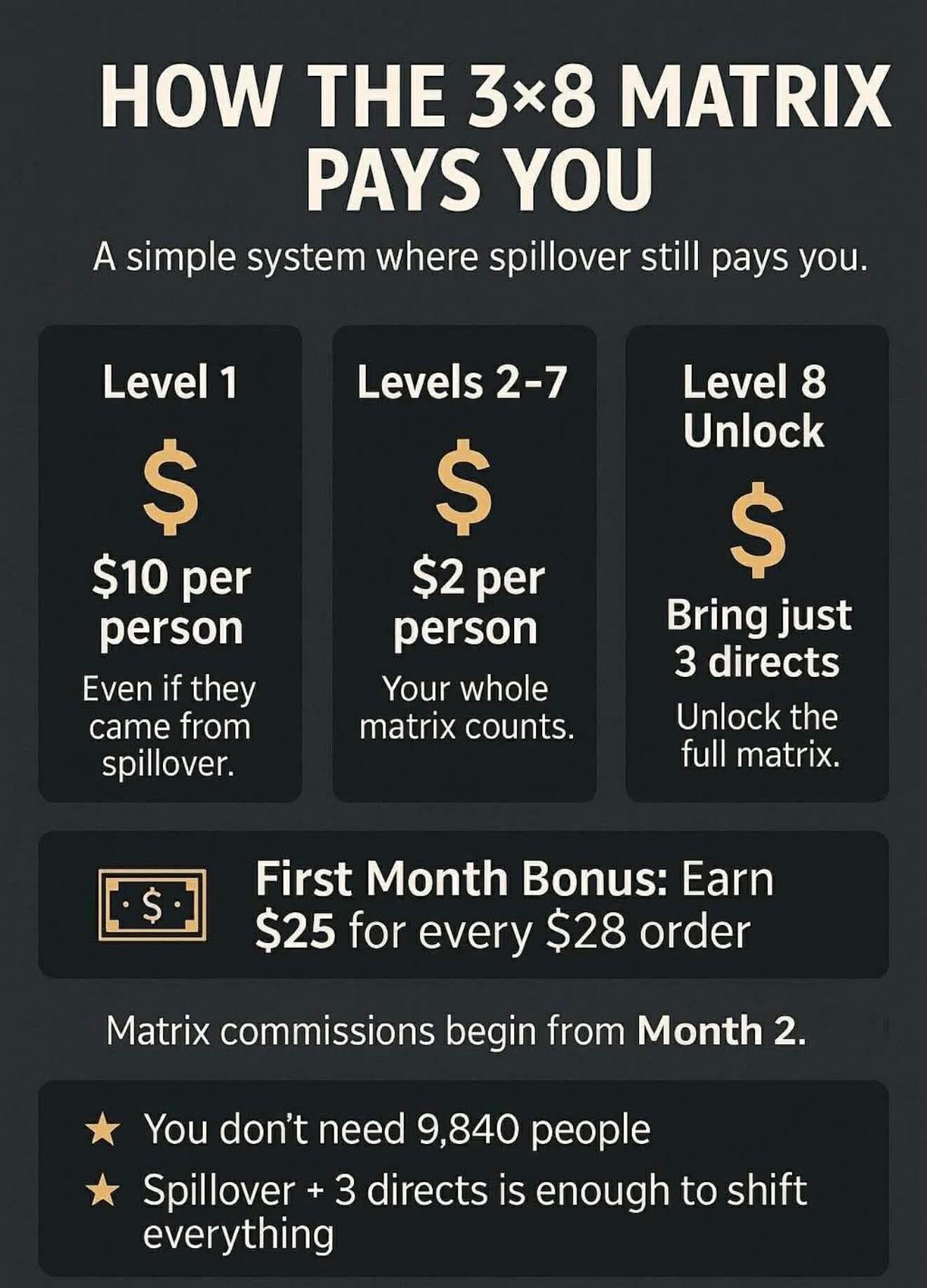
    This system is a total game-changer:
    Creates and posts your content for you
    Follows up with your leads automatically
    Helps close your sales
    Works with ANY business or program
    PLUS the perks are crazy…
    $25 Fast Start Bonuses
    3x8 Forced Matrix
    Your AI bot literally does the heavy lifting for you
    Watch this short video:
    https://youtu.be/UMHHqJrFr-Q?si=qttgrgu_kDtfsuOn
    Don’t wait — early spots are disappearing fast!
    Drop in now
    👉🏻 My referral link:
    https://aiviraldownline.com/sales.php?id=javrie
    🎉 THIS NEW AI BUSINESS IS ON FIRE! 😜🔥 This system is a total game-changer: ✨ Creates and posts your content for you ✨ Follows up with your leads automatically ✨ Helps close your sales ✨ Works with ANY business or program PLUS the perks are crazy… 🔥 $25 Fast Start Bonuses 🔥 3x8 Forced Matrix 🔥 Your AI bot literally does the heavy lifting for you Watch this short video: https://youtu.be/UMHHqJrFr-Q?si=qttgrgu_kDtfsuOn Don’t wait — early spots are disappearing fast! Drop in now 👇🙂 👉🏻 My referral link: https://aiviraldownline.com/sales.php?id=javrie
    0 Comments 0 Shares 1330 Views
  • Getting Home in A Crisis or Emergency Scenario.

    Most people never think about this, but if something happens while you are at work, you might have to walk home. The average person lives more than twenty miles away from their job. If the roads are blocked or there is gridlock, your car is useless.
    Your feet are what get you home.
    So take care of them. Keep a pair of broken in boots in your vehicle. Keep extra wool socks, moleskin, foot powder, and electrical tape. Change your socks when they get sweaty. The moment you feel a hot spot, stop and fix it. One blister can ruin your entire walk.
    Next is water. You cannot walk twenty miles without staying hydrated. And water alone is not enough. You lose minerals when you sweat. Keep electrolyte packets in your vehicle. Liquid IV, LMNT, or basic sports powders. Keep one to five gallons of water in your car at all times and rotate it monthly. And have a way to carry water if you abandon your vehicle. A simple filtered bottle works.
    Your vehicle should also have a small bag with basic gear. Flashlights, extra batteries, a blanket, a first aid kit, and a power bank to charge your phone or any device. None of this is expensive and it can save you in a real emergency.
    You also need conditioning. You do not rise to the occasion. You fall to your level of preparation. If you cannot walk long distances now, you will not suddenly do it during a crisis. Go for a walk with a backpack every other week. Run once a week. Just enough to build the ability to move.
    Know your routes. Do you actually know how to get home without your phone. Do you know back roads, side paths, and areas to avoid. Keep a physical map of your area and learn how to read it.
    Backup transportation helps. A folding bike, electric bike, or even an electric longboard can save miles on your feet. If you need to ditch it, ditch it and keep walking.
    Keep simple food in your vehicle. Jerky, granola bars, peanut butter, tortillas, nuts, pop tarts. Stuff you can eat while moving.
    And if you have kids or heavy gear, a folding handcart can save your back. They collapse flat, fit in any trunk, and carry hundreds of pounds.
    Getting home during an emergency comes down to preparation. If you set this up now, you will not panic later.
    Getting Home in A Crisis or Emergency Scenario. Most people never think about this, but if something happens while you are at work, you might have to walk home. The average person lives more than twenty miles away from their job. If the roads are blocked or there is gridlock, your car is useless. Your feet are what get you home. So take care of them. Keep a pair of broken in boots in your vehicle. Keep extra wool socks, moleskin, foot powder, and electrical tape. Change your socks when they get sweaty. The moment you feel a hot spot, stop and fix it. One blister can ruin your entire walk. Next is water. You cannot walk twenty miles without staying hydrated. And water alone is not enough. You lose minerals when you sweat. Keep electrolyte packets in your vehicle. Liquid IV, LMNT, or basic sports powders. Keep one to five gallons of water in your car at all times and rotate it monthly. And have a way to carry water if you abandon your vehicle. A simple filtered bottle works. Your vehicle should also have a small bag with basic gear. Flashlights, extra batteries, a blanket, a first aid kit, and a power bank to charge your phone or any device. None of this is expensive and it can save you in a real emergency. You also need conditioning. You do not rise to the occasion. You fall to your level of preparation. If you cannot walk long distances now, you will not suddenly do it during a crisis. Go for a walk with a backpack every other week. Run once a week. Just enough to build the ability to move. Know your routes. Do you actually know how to get home without your phone. Do you know back roads, side paths, and areas to avoid. Keep a physical map of your area and learn how to read it. Backup transportation helps. A folding bike, electric bike, or even an electric longboard can save miles on your feet. If you need to ditch it, ditch it and keep walking. Keep simple food in your vehicle. Jerky, granola bars, peanut butter, tortillas, nuts, pop tarts. Stuff you can eat while moving. And if you have kids or heavy gear, a folding handcart can save your back. They collapse flat, fit in any trunk, and carry hundreds of pounds. Getting home during an emergency comes down to preparation. If you set this up now, you will not panic later.
    Love
    1
    0 Comments 0 Shares 2187 Views
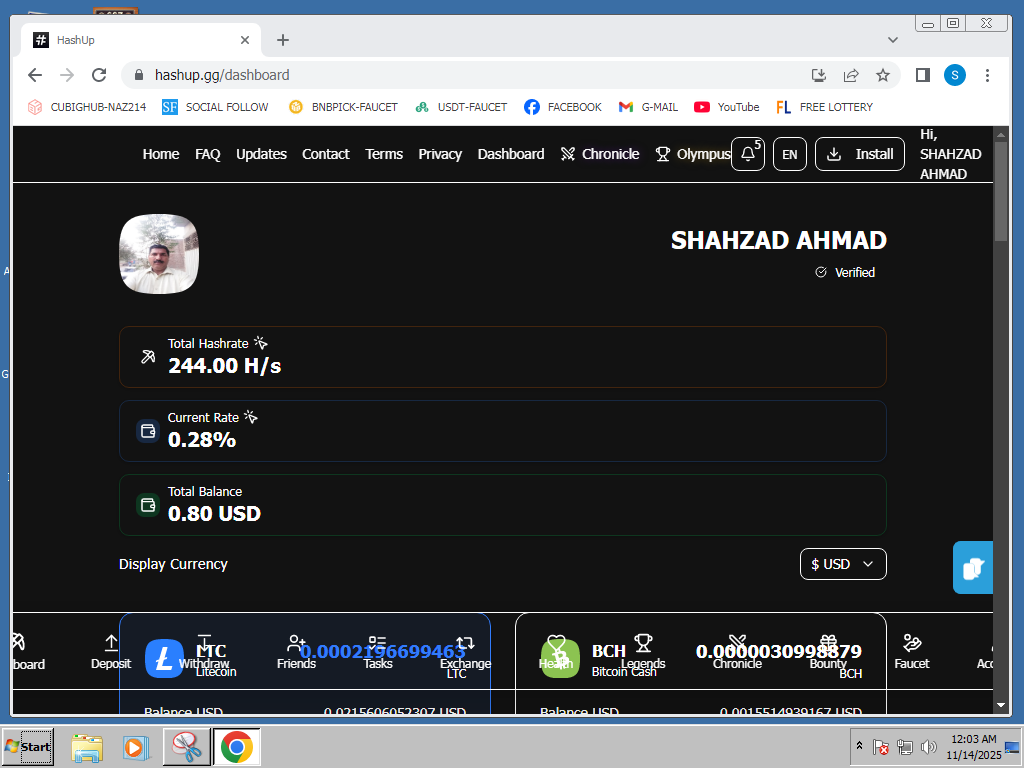
  • Claim free hash-rate every 3 hours. get between 1-20 H/s randomly. Perfect 7-day streak gives higher chance for bonus rewards up to 20 H/s!

    Watch ads and earn HUT rewards.

    Referral Program: 2% from deposits (4% Premium), 0.5% from Level 2 deposits (2% Premium), plus 75% faucet H/s from Level 1, 25% faucet H/s from Level 2 (streak 7+ required). Grow your network!

    Withdraw your earned funds to your cryptocurrency wallet safely and quickly.

    Click here to join: https://hashup.gg/?ref=136633

    #SHAHZADAHMAD
    Claim free hash-rate every 3 hours. get between 1-20 H/s randomly. Perfect 7-day streak gives higher chance for bonus rewards up to 20 H/s! Watch ads and earn HUT rewards. Referral Program: 2% from deposits (4% Premium), 0.5% from Level 2 deposits (2% Premium), plus 75% faucet H/s from Level 1, 25% faucet H/s from Level 2 (streak 7+ required). Grow your network! Withdraw your earned funds to your cryptocurrency wallet safely and quickly. Click here to join: https://hashup.gg/?ref=136633 #SHAHZADAHMAD
    Love
    Haha
    2
    0 Comments 0 Shares 2142 Views
  • WHY PREPAREDNESS MATTERS

    Before you start collecting gear and stacking food, you need to understand why preparedness matters. Most people wait until things fall apart. They wait until the shelves are empty, the power is gone, or the government announces an emergency. By then it is already too late. Preparedness is built slowly. It is built before the crisis. That is what separates survivors from victims.

    Emergencies do not schedule themselves. They do not warn you. They do not give you time to get ready. A crisis hits and whatever you have in your home at that moment is what you are working with. That is why prepping is not fear. It is responsibility.

    What Emergencies You Should Prepare For
    Some people think prepping only means preparing for world war or total collapse. The truth is that most emergencies are smaller and more common. Power outages. Storms. Cyberattacks. Water contamination. Supply chain shortages. Job loss. Medical emergencies. All of these situations can hit a family with zero warning. When you take preparedness seriously, you stop depending on luck. You control your situation no matter what happens.

    How Fast Things Collapse
    People assume society collapses slowly. It usually collapses fast. One announcement can empty every grocery store in your city in a few hours. Panic spreads. People rush for food, water, and fuel. Security breaks down. You have seen this during pandemics, storms, earthquakes, and even one bad news headline. Preparedness gives you a buffer. While everyone else is scrambling, you are calm because you already have what you need.

    Your First Priorities
    When you begin prepping, focus on food, water, and medical supplies. These are your foundation. If you get these three areas right, you can handle ninety percent of emergencies. Food keeps you alive. Water keeps your body functioning and allows you to cook and clean. Medical supplies prevent small injuries from turning into infections or emergencies.

    Momentum Even If You Feel Behind
    A lot of people feel like they started too late. They think everyone else is more prepared. That is not true. Most people have nothing. If you start today and stay consistent, you will pass ninety percent of society in a few weeks. Add a little food and water every week. Learn one new skill every few days. Fix one weakness at a time. Preparedness is built with small steps. If you keep moving forward, you will be ready when it matters.

    Preparedness is not about living in fear. It is about taking care of your family when the world around you becomes unpredictable. This is the foundation. Everything else in this course builds on what you learned here.
    WHY PREPAREDNESS MATTERS Before you start collecting gear and stacking food, you need to understand why preparedness matters. Most people wait until things fall apart. They wait until the shelves are empty, the power is gone, or the government announces an emergency. By then it is already too late. Preparedness is built slowly. It is built before the crisis. That is what separates survivors from victims. Emergencies do not schedule themselves. They do not warn you. They do not give you time to get ready. A crisis hits and whatever you have in your home at that moment is what you are working with. That is why prepping is not fear. It is responsibility. What Emergencies You Should Prepare For Some people think prepping only means preparing for world war or total collapse. The truth is that most emergencies are smaller and more common. Power outages. Storms. Cyberattacks. Water contamination. Supply chain shortages. Job loss. Medical emergencies. All of these situations can hit a family with zero warning. When you take preparedness seriously, you stop depending on luck. You control your situation no matter what happens. How Fast Things Collapse People assume society collapses slowly. It usually collapses fast. One announcement can empty every grocery store in your city in a few hours. Panic spreads. People rush for food, water, and fuel. Security breaks down. You have seen this during pandemics, storms, earthquakes, and even one bad news headline. Preparedness gives you a buffer. While everyone else is scrambling, you are calm because you already have what you need. Your First Priorities When you begin prepping, focus on food, water, and medical supplies. These are your foundation. If you get these three areas right, you can handle ninety percent of emergencies. Food keeps you alive. Water keeps your body functioning and allows you to cook and clean. Medical supplies prevent small injuries from turning into infections or emergencies. Momentum Even If You Feel Behind A lot of people feel like they started too late. They think everyone else is more prepared. That is not true. Most people have nothing. If you start today and stay consistent, you will pass ninety percent of society in a few weeks. Add a little food and water every week. Learn one new skill every few days. Fix one weakness at a time. Preparedness is built with small steps. If you keep moving forward, you will be ready when it matters. Preparedness is not about living in fear. It is about taking care of your family when the world around you becomes unpredictable. This is the foundation. Everything else in this course builds on what you learned here.
    0 Comments 0 Shares 1991 Views
  • Claim free hash-rate every 3 hours. get between 1-20 H/s randomly. Perfect 7-day streak gives higher chance for bonus rewards up to 20 H/s!

    Watch ads and earn HUT rewards.

    Referral Program: 2% from deposits (4% Premium), 0.5% from Level 2 deposits (2% Premium), plus 75% faucet H/s from Level 1, 25% faucet H/s from Level 2 (streak 7+ required). Grow your network!

    Withdraw your earned funds to your cryptocurrency wallet safely and quickly.

    Click here to join: https://hashup.gg/?ref=136633

    #SHAHZADAHMAD
    Claim free hash-rate every 3 hours. get between 1-20 H/s randomly. Perfect 7-day streak gives higher chance for bonus rewards up to 20 H/s! Watch ads and earn HUT rewards. Referral Program: 2% from deposits (4% Premium), 0.5% from Level 2 deposits (2% Premium), plus 75% faucet H/s from Level 1, 25% faucet H/s from Level 2 (streak 7+ required). Grow your network! Withdraw your earned funds to your cryptocurrency wallet safely and quickly. Click here to join: https://hashup.gg/?ref=136633 #SHAHZADAHMAD
    Like
    1
    0 Comments 0 Shares 1984 Views
  • Claim free hash-rate every 3 hours. get between 1-20 H/s randomly. Perfect 7-day streak gives higher chance for bonus rewards up to 20 H/s!

    Watch ads and earn HUT rewards.

    Referral Program: 2% from deposits (4% Premium), 0.5% from Level 2 deposits (2% Premium), plus 75% faucet H/s from Level 1, 25% faucet H/s from Level 2 (streak 7+ required). Grow your network!

    Withdraw your earned funds to your cryptocurrency wallet safely and quickly.

    Click here to join: https://hashup.gg/?ref=136633

    #shahzadahmad
    Claim free hash-rate every 3 hours. get between 1-20 H/s randomly. Perfect 7-day streak gives higher chance for bonus rewards up to 20 H/s! Watch ads and earn HUT rewards. Referral Program: 2% from deposits (4% Premium), 0.5% from Level 2 deposits (2% Premium), plus 75% faucet H/s from Level 1, 25% faucet H/s from Level 2 (streak 7+ required). Grow your network! Withdraw your earned funds to your cryptocurrency wallet safely and quickly. Click here to join: https://hashup.gg/?ref=136633 #shahzadahmad
    0 Comments 0 Shares 2710 Views
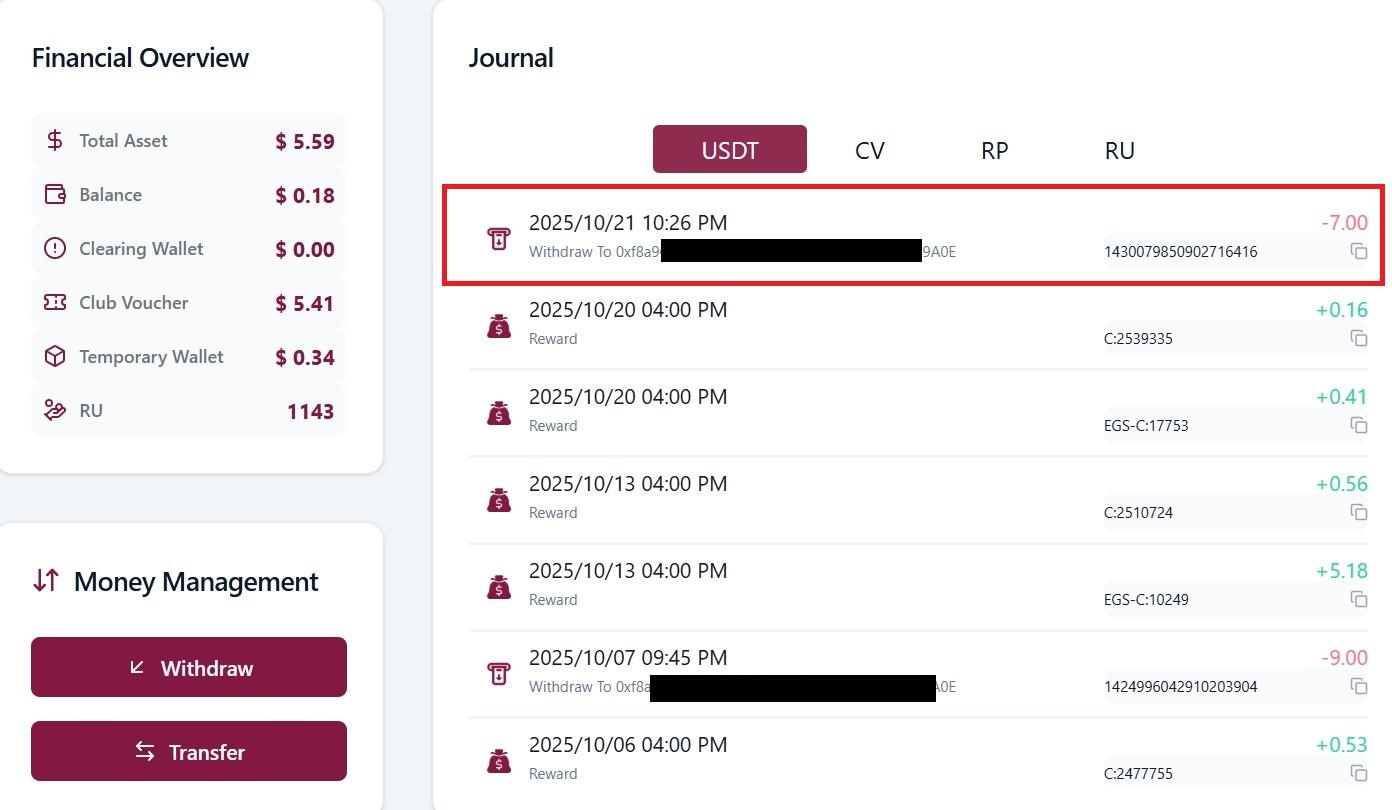
  • I earned $12.76 USDT (temporary wallet is 0.72) in Cubig. Just for watching daily Google Ads on the site. You can do this too. Check all info on my site: Signup here: https://www.cubigclub.com/register?dt=73703d6e617a323134

    #Shahzadahmad
    I earned $12.76 USDT (temporary wallet is 0.72) in Cubig. Just for watching daily Google Ads on the site. You can do this too. Check all info on my site: Signup here: https://www.cubigclub.com/register?dt=73703d6e617a323134 #Shahzadahmad
    Love
    1
    1 Comments 0 Shares 3380 Views
  • And again I received $7 for watching articles and ads on Cubig. Simple work what everybody can do. You only have to be consequent and work daily. More info: https://lllpg.com/s6kxmkvk/socialfollow
    And again I received $7 for watching articles and ads on Cubig. Simple work what everybody can do. You only have to be consequent and work daily. More info: https://lllpg.com/s6kxmkvk/socialfollow
    2 Comments 0 Shares 2688 Views
More Results
Sponsored

AI-powered Business Social

Join Kiosk Social and get your business seen, build links, grow relationships, and have fun.