


• PREPAREDNESS TEST
    1. Has your family rehearsed fire escape routes from your home? YES - NO
    2. Does your family know what to do before, during, and after an earthquake or YES - NO
    other emergency situation?
    3. Do you have heavy objects hanging over beds that can fall during an earthquake? YES - NO
    4. Do you have access to an operational flashlight in every occupied bedroom?
    (use of candles is not recommended unless you are sure there is no leaking gas) YES - NO
    5. Do you keep shoes near your bed to protect your feet against broken glass? YES - NO
    6. If a water line was ruptured during an earthquake, do you know how to shut off the
    main water line to your house? YES - NO
    7. Can this water valve be turned off by hand without the use of a tool?
    Do you have a tool if one is needed? YES - NO
    8. Do you know where the main gas shut-off valve to your house is located? YES - NO
    9. If you smell gas, do you know how and would you be able to shut off this valve? YES - NO
    10. Gas valves usually cannot be turned off by hand. Is there a tool near your valve? YES - NO
    11. Would you be able to safely restart your furnace when gas is safely available? YES - NO
    12. Do you have working smoke alarms in the proper places to warn you of fi re? YES - NO
    13. In case of a minor fi re, do you have a fi re extinguisher that you know how to use? YES - NO
    14. Do you have duplicate keys and copies of important insurance and other papers
    stored outside your home? YES - No
    15. Do you have a functional emergency radio to receive emergency information? YES - NO
    16. If your family had to evacuate your home, have you identified a meeting place? YES - NO

    IF AN EMERGENCY LASTED FOR THREE DAYS ( 72 HOURS) BEFORE HELP WAS AVAILABLE
    TO YOU AND YOUR FAMILY......................................

    17. Would you have sufficient food? YES - NO
    18. Would you have the means to cook food without gas and electricity? YES - NO
    19. Would you have sufficient water for drinking, cooking, and sanitary needs? YES - NO
    20. Do you have access to a 72 hour evacuation kit? YES - NO
    21. Would you be able to carry or transport these kits? YES - NO
    22. Have you established an out-of-state contact? YES - NO
    23. Do you have a first aid kit in your home and in each car? YES - NO
    24. Do you have work gloves and some tools for minor rescue and clean up? YES - NO
    25. Do you have emergency cash on hand? (During emergencies banks and ATMs are closed) YES - NO
    26. Without electricity and gas do you have a way to heat at least part of your house? YES - NO
    27. If you need medications, do you have a month’s supply on hand? YES - NO
    28. Do you have a plan for toilet facilities if there is an extended water shortage? YES - NO
    29. Do you have a supply of food, clothing, and fuel where appropriate:
    For 6 months? For a year? YES - NO
    These are all questions that need answers if you are to be safe in an emergency.
    If you answered ‘No’ to any of them, its now time to work on getting those items done.

    PREPAREDNESS TEST 1. Has your family rehearsed fire escape routes from your home? YES - NO 2. Does your family know what to do before, during, and after an earthquake or YES - NO other emergency situation? 3. Do you have heavy objects hanging over beds that can fall during an earthquake? YES - NO 4. Do you have access to an operational flashlight in every occupied bedroom? (use of candles is not recommended unless you are sure there is no leaking gas) YES - NO 5. Do you keep shoes near your bed to protect your feet against broken glass? YES - NO 6. If a water line was ruptured during an earthquake, do you know how to shut off the main water line to your house? YES - NO 7. Can this water valve be turned off by hand without the use of a tool? Do you have a tool if one is needed? YES - NO 8. Do you know where the main gas shut-off valve to your house is located? YES - NO 9. If you smell gas, do you know how and would you be able to shut off this valve? YES - NO 10. Gas valves usually cannot be turned off by hand. Is there a tool near your valve? YES - NO 11. Would you be able to safely restart your furnace when gas is safely available? YES - NO 12. Do you have working smoke alarms in the proper places to warn you of fi re? YES - NO 13. In case of a minor fi re, do you have a fi re extinguisher that you know how to use? YES - NO 14. Do you have duplicate keys and copies of important insurance and other papers stored outside your home? YES - No 15. Do you have a functional emergency radio to receive emergency information? YES - NO 16. If your family had to evacuate your home, have you identified a meeting place? YES - NO IF AN EMERGENCY LASTED FOR THREE DAYS ( 72 HOURS) BEFORE HELP WAS AVAILABLE TO YOU AND YOUR FAMILY...................................... 17. Would you have sufficient food? YES - NO 18. Would you have the means to cook food without gas and electricity? YES - NO 19. Would you have sufficient water for drinking, cooking, and sanitary needs? YES - NO 20. Do you have access to a 72 hour evacuation kit? YES - NO 21. Would you be able to carry or transport these kits? YES - NO 22. Have you established an out-of-state contact? YES - NO 23. Do you have a first aid kit in your home and in each car? YES - NO 24. Do you have work gloves and some tools for minor rescue and clean up? YES - NO 25. Do you have emergency cash on hand? (During emergencies banks and ATMs are closed) YES - NO 26. Without electricity and gas do you have a way to heat at least part of your house? YES - NO 27. If you need medications, do you have a month’s supply on hand? YES - NO 28. Do you have a plan for toilet facilities if there is an extended water shortage? YES - NO 29. Do you have a supply of food, clothing, and fuel where appropriate: For 6 months? For a year? YES - NO These are all questions that need answers if you are to be safe in an emergency. If you answered ‘No’ to any of them, its now time to work on getting those items done.

    Like
    1
    0 Comments 0 Shares 2060 Views
  • Treating 3rd Degree Burns in a Post Collapse Scenario - No Doctors & No Hospitals.

    How do you treat a 3rd degree burn if there are no hospitals or doctors available, like after a major crisis. This is a question that came up a lot yesterday so we’re gonna go over it but Before we start, I’m not a doctor and this is not medical advice.
    First, get them away from the source immediately. Fire, electricity, chemicals, whatever caused the burn, remove it. And don’t waste time checking for pain, because sometimes there wont be any.
    Second, cool the area around the burn, not directly on the charred tissue. Use clean, cool water for a few minutes. Never use ice. Never soak the burn. You’re just trying to pull heat away from the surrounding tissue so the damage doesn’t spread.
    Third, remove clothing around the burn by cutting it off, but don’t pull anything that’s stuck. You only cut the loose parts. Anything melted to the skin stays, or you’ll rip more tissue off.
    Fourth, cover it immediately. Air exposure makes everything worse. Use sterile gauze if you have it. If not, use the cleanest, non fluffy cloth you can find. A clean piece of food grade plastic wrap works in emergencies. You’re not wrapping it tight, you’re just covering it to protect it.
    Now treat them for shock, because this is what kills burn victims in survival situations. Lay them flat, elevate the legs slightly, keep them warm, and give small sips of clean water if they’re awake. Keep talking to them, keep them calm. Shock is silent and deadly.
    Next, pain control. Even though the center of the burn might be numb, the edges are going to hurt a lot. Use ibuprofen or acetaminophen. Avoid aspirin because it can make bleeding worse.
    Now infection. This is the real enemy. A third degree burn is an open doorway for bacteria. Keep the burn covered. Change the dressing once or twice a day. Wash your hands every single time. Don’t peel off tissue. Don’t pop any blisters around the burn. If you have antibiotic ointment, put a thin layer around the edges only, not across the whole burn. And if the person has fever, chills, confusion, red streaks, pus, or the wound smells bad, you need to start oral antibiotics immediately if you have them.
    Hydration is the next priority. Burn victims lose fluids through their skin nonstop. Give them clean water regularly. If you have oral rehydration salts, use them. If not, make your own with one liter of water, a pinch of salt, and a spoon of sugar.
    Now long term care. Third degree burns can take weeks or even months to heal in a collapse. You need to protect the wound, keep flies away, keep the bandage clean, and keep the person fed with as much protein as you can. Eggs, beans, fish, meat, peanut butter. Their body needs huge calories to rebuild tissue.
    Treating 3rd Degree Burns in a Post Collapse Scenario - No Doctors & No Hospitals. How do you treat a 3rd degree burn if there are no hospitals or doctors available, like after a major crisis. This is a question that came up a lot yesterday so we’re gonna go over it but Before we start, I’m not a doctor and this is not medical advice. First, get them away from the source immediately. Fire, electricity, chemicals, whatever caused the burn, remove it. And don’t waste time checking for pain, because sometimes there wont be any. Second, cool the area around the burn, not directly on the charred tissue. Use clean, cool water for a few minutes. Never use ice. Never soak the burn. You’re just trying to pull heat away from the surrounding tissue so the damage doesn’t spread. Third, remove clothing around the burn by cutting it off, but don’t pull anything that’s stuck. You only cut the loose parts. Anything melted to the skin stays, or you’ll rip more tissue off. Fourth, cover it immediately. Air exposure makes everything worse. Use sterile gauze if you have it. If not, use the cleanest, non fluffy cloth you can find. A clean piece of food grade plastic wrap works in emergencies. You’re not wrapping it tight, you’re just covering it to protect it. Now treat them for shock, because this is what kills burn victims in survival situations. Lay them flat, elevate the legs slightly, keep them warm, and give small sips of clean water if they’re awake. Keep talking to them, keep them calm. Shock is silent and deadly. Next, pain control. Even though the center of the burn might be numb, the edges are going to hurt a lot. Use ibuprofen or acetaminophen. Avoid aspirin because it can make bleeding worse. Now infection. This is the real enemy. A third degree burn is an open doorway for bacteria. Keep the burn covered. Change the dressing once or twice a day. Wash your hands every single time. Don’t peel off tissue. Don’t pop any blisters around the burn. If you have antibiotic ointment, put a thin layer around the edges only, not across the whole burn. And if the person has fever, chills, confusion, red streaks, pus, or the wound smells bad, you need to start oral antibiotics immediately if you have them. Hydration is the next priority. Burn victims lose fluids through their skin nonstop. Give them clean water regularly. If you have oral rehydration salts, use them. If not, make your own with one liter of water, a pinch of salt, and a spoon of sugar. Now long term care. Third degree burns can take weeks or even months to heal in a collapse. You need to protect the wound, keep flies away, keep the bandage clean, and keep the person fed with as much protein as you can. Eggs, beans, fish, meat, peanut butter. Their body needs huge calories to rebuild tissue.
    0 Comments 0 Shares 1746 Views
  • 5 items every prepper should consider for emergencies
    Alright guys, today I want to give you five items every prepper should have, and these are not the typical rice and beans or the flashlight everyone talks about. These are real tools that give you an advantage in a crisis.
    First is a gas siphon pump. Most people forget how fast gas stations run out during any disaster. If the power is down, the pumps are dead. A siphon pump lets you pull fuel from abandoned equipment, cars,, lawnmowers, generators, anything that has fuel in it. You stay mobile, you keep your generator running, and you are not stuck hoping a gas station magically opens back up.
    Next is a bulletproof jacket. Yes, they make these. Level 3A jackets that look like normal clothing. I talked about this inside Prepper Academy. You get quiet protection without drawing attention. In a real crisis you do not want to look tactical. You want to blend in and still be protected from handgun threats. These jackets are perfect for that.
    Third is sandbags. Preppers forget about these. Sandbags give you an instant barrier around doors, windows, and weak areas of your house if things get dangerous. They slow down incoming fire and give you a fighting position if the neighborhood goes bad. And they are also useful for floods. If a water main breaks or a storm hits, sandbags keep water out of your home. They even help with embers and small debris during a fire. They are cheap, easy to store flat, and you can fill them in minutes.
    Fourth is a good countertop water filter. Not a basic kitchen filter, I mean a real gravity fed system that can take outdoor water, lake water, rainwater, and make it safe to drink. The one I use filters the equivalent of sixty eight thousand plastic water bottles. In a crisis, clean water is everything. If you can filter your own, you have a massive advantage over everyone else standing in line for bottled water.
    For the fifth item, Get a handheld thermal camera or binoculars. This is one of the most underrated tools in prepping. You can detect people or animals in the dark, see heat signatures through smoke, locate intruders hiding behind bushes, and even check your house for heat loss in winter. In a post crisis environment, being able to see what others cannot is a huge edge. Maybe you guys don't agree with me but I think for tactical purposes at night, its so valuable.
    These five items might not be on every prepper checklist, but they give you mobility, protection, water security, and home defense, That is the level you want to be operating at.
    #SafetyProducts
    5 items every prepper should consider for emergencies Alright guys, today I want to give you five items every prepper should have, and these are not the typical rice and beans or the flashlight everyone talks about. These are real tools that give you an advantage in a crisis. First is a gas siphon pump. Most people forget how fast gas stations run out during any disaster. If the power is down, the pumps are dead. A siphon pump lets you pull fuel from abandoned equipment, cars,, lawnmowers, generators, anything that has fuel in it. You stay mobile, you keep your generator running, and you are not stuck hoping a gas station magically opens back up. Next is a bulletproof jacket. Yes, they make these. Level 3A jackets that look like normal clothing. I talked about this inside Prepper Academy. You get quiet protection without drawing attention. In a real crisis you do not want to look tactical. You want to blend in and still be protected from handgun threats. These jackets are perfect for that. Third is sandbags. Preppers forget about these. Sandbags give you an instant barrier around doors, windows, and weak areas of your house if things get dangerous. They slow down incoming fire and give you a fighting position if the neighborhood goes bad. And they are also useful for floods. If a water main breaks or a storm hits, sandbags keep water out of your home. They even help with embers and small debris during a fire. They are cheap, easy to store flat, and you can fill them in minutes. Fourth is a good countertop water filter. Not a basic kitchen filter, I mean a real gravity fed system that can take outdoor water, lake water, rainwater, and make it safe to drink. The one I use filters the equivalent of sixty eight thousand plastic water bottles. In a crisis, clean water is everything. If you can filter your own, you have a massive advantage over everyone else standing in line for bottled water. For the fifth item, Get a handheld thermal camera or binoculars. This is one of the most underrated tools in prepping. You can detect people or animals in the dark, see heat signatures through smoke, locate intruders hiding behind bushes, and even check your house for heat loss in winter. In a post crisis environment, being able to see what others cannot is a huge edge. Maybe you guys don't agree with me but I think for tactical purposes at night, its so valuable. These five items might not be on every prepper checklist, but they give you mobility, protection, water security, and home defense, That is the level you want to be operating at. #SafetyProducts
    0 Comments 0 Shares 3784 Views
  • BUG OUT BAGS

    A bug out bag is your emergency lifeline. It is the one bag you grab when you need to leave your home fast. Fires, chemical spills, civil unrest, floods, gas leaks, and sudden evacuations all happen with zero warning. When you have a proper bag ready, you can leave instantly without scrambling to find your essentials.

    What A Real Bug Out Bag Should Do
    A bug out bag should keep you alive for at least seventy two hours. That means food, water, shelter, clothing, tools, and medical supplies. It should be packed in a way that you can carry comfortably. It should not be overloaded. A heavy bag slows you down and becomes a liability.

    Food
    You do not need gourmet meals in a bug out bag. Focus on simple and lightweight food. Energy bars, nuts, jerky, tuna packets, instant oatmeal, and freeze dried meals. Choose food that gives you calories without taking up too much space. Pack at least one full day of easy to eat food and two days of backup items.

    Water
    Always keep one or two small water bottles in your bag. Then add a compact water filter. This gives you a way to refill from rivers, ponds, or taps that might not be safe. Water is heavy so you rely on the filter more than the bottles. You need both.

    Shelter
    Your shelter items should protect you from cold, rain, and wind. Pack a lightweight tarp or emergency bivy, a survival blanket, and some cordage. These items keep you warm and dry and take up very little room. Weather is one of the biggest killers in emergencies. Do not skip shelter gear.

    Clothing
    Pack a spare pair of socks, a spare shirt, and a warm layer. Wet clothes drain your body heat fast. Dry socks alone can keep you moving. Choose clothing that dries quickly and can handle rough conditions.

    Medical Supplies
    Include a small but serious kit. Bandages, gauze, antiseptic wipes, pain relievers, blister care, and a tourniquet if you know how to use it. Even basic items can save your life when you are far from help. A bug out bag without medical supplies is incomplete.

    Tools
    A few simple tools make everything easier. A good knife, a lighter, waterproof matches, a small flashlight, extra batteries, a power bank, and some paracord. These tools help you build shelter, light your path, cook, and communicate. Choose reliable gear that you trust.

    Navigation
    Your phone is helpful but it can lose signal or battery. Add a simple map of your area and a basic compass. Even if you never used a compass before, it can still guide you in the right direction when everything else fails.

    Packing Smart
    Heavy items go at the bottom and close to your back. Light items go on top. Keep the things you use often near the front so you can grab them quickly. Test your bag by walking around with it. If it hurts your shoulders or feels awkward, adjust it before an emergency happens.

    Where To Store It
    Keep your bag in the same place at all times. A closet near the front door is perfect. Make sure every family member knows where it is and knows not to move it. During a real evacuation, seconds matter.

    Common Mistakes
    Some people pack too much gear. Others pack almost nothing. Some forget water entirely. Some buy cheap bags that rip. The biggest mistake is letting your bug out bag sit for years without updating it. Check it every few months. Replace expired food. Charge the power bank. Make sure everything is still working.

    A bug out bag gives you mobility and freedom. When you have one ready, you never feel trapped. You know you can leave your home safely and survive long enough to find shelter, family, or help.
    BUG OUT BAGS A bug out bag is your emergency lifeline. It is the one bag you grab when you need to leave your home fast. Fires, chemical spills, civil unrest, floods, gas leaks, and sudden evacuations all happen with zero warning. When you have a proper bag ready, you can leave instantly without scrambling to find your essentials. What A Real Bug Out Bag Should Do A bug out bag should keep you alive for at least seventy two hours. That means food, water, shelter, clothing, tools, and medical supplies. It should be packed in a way that you can carry comfortably. It should not be overloaded. A heavy bag slows you down and becomes a liability. Food You do not need gourmet meals in a bug out bag. Focus on simple and lightweight food. Energy bars, nuts, jerky, tuna packets, instant oatmeal, and freeze dried meals. Choose food that gives you calories without taking up too much space. Pack at least one full day of easy to eat food and two days of backup items. Water Always keep one or two small water bottles in your bag. Then add a compact water filter. This gives you a way to refill from rivers, ponds, or taps that might not be safe. Water is heavy so you rely on the filter more than the bottles. You need both. Shelter Your shelter items should protect you from cold, rain, and wind. Pack a lightweight tarp or emergency bivy, a survival blanket, and some cordage. These items keep you warm and dry and take up very little room. Weather is one of the biggest killers in emergencies. Do not skip shelter gear. Clothing Pack a spare pair of socks, a spare shirt, and a warm layer. Wet clothes drain your body heat fast. Dry socks alone can keep you moving. Choose clothing that dries quickly and can handle rough conditions. Medical Supplies Include a small but serious kit. Bandages, gauze, antiseptic wipes, pain relievers, blister care, and a tourniquet if you know how to use it. Even basic items can save your life when you are far from help. A bug out bag without medical supplies is incomplete. Tools A few simple tools make everything easier. A good knife, a lighter, waterproof matches, a small flashlight, extra batteries, a power bank, and some paracord. These tools help you build shelter, light your path, cook, and communicate. Choose reliable gear that you trust. Navigation Your phone is helpful but it can lose signal or battery. Add a simple map of your area and a basic compass. Even if you never used a compass before, it can still guide you in the right direction when everything else fails. Packing Smart Heavy items go at the bottom and close to your back. Light items go on top. Keep the things you use often near the front so you can grab them quickly. Test your bag by walking around with it. If it hurts your shoulders or feels awkward, adjust it before an emergency happens. Where To Store It Keep your bag in the same place at all times. A closet near the front door is perfect. Make sure every family member knows where it is and knows not to move it. During a real evacuation, seconds matter. Common Mistakes Some people pack too much gear. Others pack almost nothing. Some forget water entirely. Some buy cheap bags that rip. The biggest mistake is letting your bug out bag sit for years without updating it. Check it every few months. Replace expired food. Charge the power bank. Make sure everything is still working. A bug out bag gives you mobility and freedom. When you have one ready, you never feel trapped. You know you can leave your home safely and survive long enough to find shelter, family, or help.
    Love
    1
    0 Comments 0 Shares 4668 Views
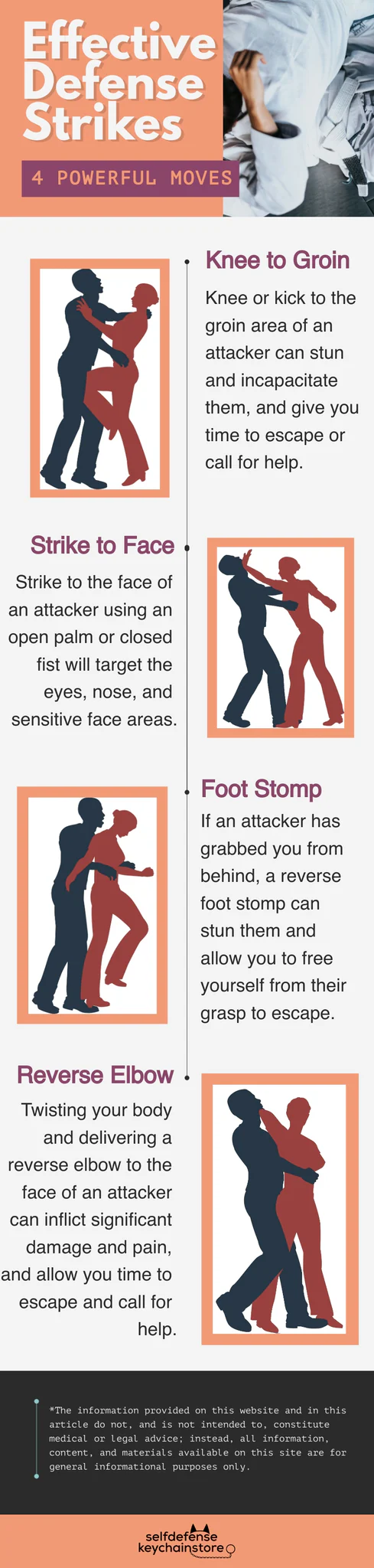
  • 4 Effective Self Defense Strikes
    There are many different punches, kicks, strikes and moves that someone can use to defend themselves against an attacker.

    However, are they all created equal, and will they all be effective at self-defense?

    The answer is no.

    Some self-defense strikes and moves are intended to inflict significant damage and therefore require lots of windup and power, which may be ineffective if you are trying to stun the attacker and flee.

    Similarly, some strikes and moves are intended to target certain body parts, hold the other person down, or submit the opponent, and may not be effective in a practical real life situation where you're not trying to wrestle with your attacker on the street.

    Here are 4 effective self defense strikes that can be used in an everyday dangerous situation to fight off your attacker and flee the scene.

    1. Knee or Kick to Groin
    Kneeing or kicking a male attacker in the groin area can stun and incapacitate him, and give you time to escape the situation.

    The groin area of a male attacker is a very vulnerable and sensitive area that can cause a lot of pain, shock and loss of balance.

    The groin area is also reasonably within reach of your leg or foot and more accessible, making the strike easier to unleash and deliver with great force or speed.

    2. Strike to Face
    Striking an attacker in the face with a closed fist or open palm is very effective as it targets the eyes, nose, mouth, throat, and general face, which are all very sensitive areas on the human body.

    This strike can disorient the attacker by disrupting their vision, focus, and sensory organs, which will give you time to flee the scene.

    The eyes, nose and mouth are also very rarely covered by clothing or other objects, so they are completely exposed and hence more vulnerable and susceptible to damage.

    Lastly, an attacker's face is normally right in your line of sight, which increases the accuracy and precision of your strike.

    3. Reverse Foot Stomp
    The reverse foot stomp is a powerful self-defense strike performed when an attacker is holding you from behind.

    This move is effective because in these instances, your arms, hands and front of your body are normally subdued by the attacker, but your legs and feet are not.

    The best way to perform this move is to push back submit your body into the hold of the attacker so you can get closer to him, look down at their feet, and stomp as hard as you can on the center and toes of their foot.

    Ideally this should stun the attacker by causing a wave of pain which will loosen their grip and allow you time to escape.

    4. Reverse Elbow
    The reverse elbow is another self-defense move that can be performed if a predator has grabbed you from behind.

    While this move can be difficult to execute, if you are able to execute it properly, it can cause significant damage to the perpetrator and give you time to escape.

    The first reason why this move is effective is because you're again targeting the face which contains the eyes, nose, mouth, throat, and other sensitive facial areas. Any strike to this area can cause significant pain and disorientation.

    Secondly, the twisting motion of the reverse elbow can be very powerful and fast, even for someone not very strong, due to the torquing motion of the body.

    The reverse elbow is a great move if an attacker has grabbed you from behind and there's enough space between your body and their body to twist your elbow into their face.
    #armyourself
    4 Effective Self Defense Strikes There are many different punches, kicks, strikes and moves that someone can use to defend themselves against an attacker. However, are they all created equal, and will they all be effective at self-defense? The answer is no. Some self-defense strikes and moves are intended to inflict significant damage and therefore require lots of windup and power, which may be ineffective if you are trying to stun the attacker and flee. Similarly, some strikes and moves are intended to target certain body parts, hold the other person down, or submit the opponent, and may not be effective in a practical real life situation where you're not trying to wrestle with your attacker on the street. Here are 4 effective self defense strikes that can be used in an everyday dangerous situation to fight off your attacker and flee the scene. 1. Knee or Kick to Groin Kneeing or kicking a male attacker in the groin area can stun and incapacitate him, and give you time to escape the situation. The groin area of a male attacker is a very vulnerable and sensitive area that can cause a lot of pain, shock and loss of balance. The groin area is also reasonably within reach of your leg or foot and more accessible, making the strike easier to unleash and deliver with great force or speed. 2. Strike to Face Striking an attacker in the face with a closed fist or open palm is very effective as it targets the eyes, nose, mouth, throat, and general face, which are all very sensitive areas on the human body. This strike can disorient the attacker by disrupting their vision, focus, and sensory organs, which will give you time to flee the scene. The eyes, nose and mouth are also very rarely covered by clothing or other objects, so they are completely exposed and hence more vulnerable and susceptible to damage. Lastly, an attacker's face is normally right in your line of sight, which increases the accuracy and precision of your strike. 3. Reverse Foot Stomp The reverse foot stomp is a powerful self-defense strike performed when an attacker is holding you from behind. This move is effective because in these instances, your arms, hands and front of your body are normally subdued by the attacker, but your legs and feet are not. The best way to perform this move is to push back submit your body into the hold of the attacker so you can get closer to him, look down at their feet, and stomp as hard as you can on the center and toes of their foot. Ideally this should stun the attacker by causing a wave of pain which will loosen their grip and allow you time to escape. 4. Reverse Elbow The reverse elbow is another self-defense move that can be performed if a predator has grabbed you from behind. While this move can be difficult to execute, if you are able to execute it properly, it can cause significant damage to the perpetrator and give you time to escape. The first reason why this move is effective is because you're again targeting the face which contains the eyes, nose, mouth, throat, and other sensitive facial areas. Any strike to this area can cause significant pain and disorientation. Secondly, the twisting motion of the reverse elbow can be very powerful and fast, even for someone not very strong, due to the torquing motion of the body. The reverse elbow is a great move if an attacker has grabbed you from behind and there's enough space between your body and their body to twist your elbow into their face. #armyourself
    0 Comments 0 Shares 14810 Views
Sponsored

Buy Me A Coffee.

If You Would Like To Support Social Follow, Please Go To Buy Me A Coffee, Thank You. https://www.buymeacoffee.com/socialfollowme