• The Mace Canine Repellent is your powerful yet humane defense against threatening dogs and your ideal companion for outdoor activities. This OC pepper spray EPA-approved formula provides an intense burning sensation to any skin it touches, impaired vision and respiratory distress and coughing.

    This pepper spray made for dogs so it contains a lower concentration of OC compared sprays made for humans, as dogs' tear ducts work differently than those of humans and will prevent any unnecessary harm. It is not recommended to use on anything else other than dogs.

    With a flip-top safety cap and finger-grip dispenser you'll be safe while delivering this effective stream of heat with 20 bursts that reach up to 10 feet!

    The adjustable hand strap ensures a secure and comfortable fit and the built in keychain means you can keep this spray close when walking at night or out on your morning jog.

    Made in the USA

    Product Features:
    - Weight: 18 grams / 0.63oz
    - Flip-top safety cap for easy access.
    - Finger grip dispenser provides steady long streams of mace for added accuracy.
    - Velcro Wrist Strap for easy holding.
    - Adjustable hand strap provides secure, comfortable fit.
    - Built in Keychain enables easy carrying on person or bike/purse etc.
    - Made with OC formula here in the USA for maximum effectiveness.
    - EPA Registered
    - Provides 20 bursts up to 10 feet away from attacker/dog with an intense burning sensation to the skin causing respiratory issues and limited vision.

    https://buy.stripe.com/00g7sV0FP5ne95C005
    The Mace Canine Repellent is your powerful yet humane defense against threatening dogs and your ideal companion for outdoor activities. This OC pepper spray EPA-approved formula provides an intense burning sensation to any skin it touches, impaired vision and respiratory distress and coughing. This pepper spray made for dogs so it contains a lower concentration of OC compared sprays made for humans, as dogs' tear ducts work differently than those of humans and will prevent any unnecessary harm. It is not recommended to use on anything else other than dogs. With a flip-top safety cap and finger-grip dispenser you'll be safe while delivering this effective stream of heat with 20 bursts that reach up to 10 feet! The adjustable hand strap ensures a secure and comfortable fit and the built in keychain means you can keep this spray close when walking at night or out on your morning jog. Made in the USA Product Features: - Weight: 18 grams / 0.63oz - Flip-top safety cap for easy access. - Finger grip dispenser provides steady long streams of mace for added accuracy. - Velcro Wrist Strap for easy holding. - Adjustable hand strap provides secure, comfortable fit. - Built in Keychain enables easy carrying on person or bike/purse etc. - Made with OC formula here in the USA for maximum effectiveness. - EPA Registered - Provides 20 bursts up to 10 feet away from attacker/dog with an intense burning sensation to the skin causing respiratory issues and limited vision. https://buy.stripe.com/00g7sV0FP5ne95C005
    0 Σχόλια 0 Μοιράστηκε 876 Views
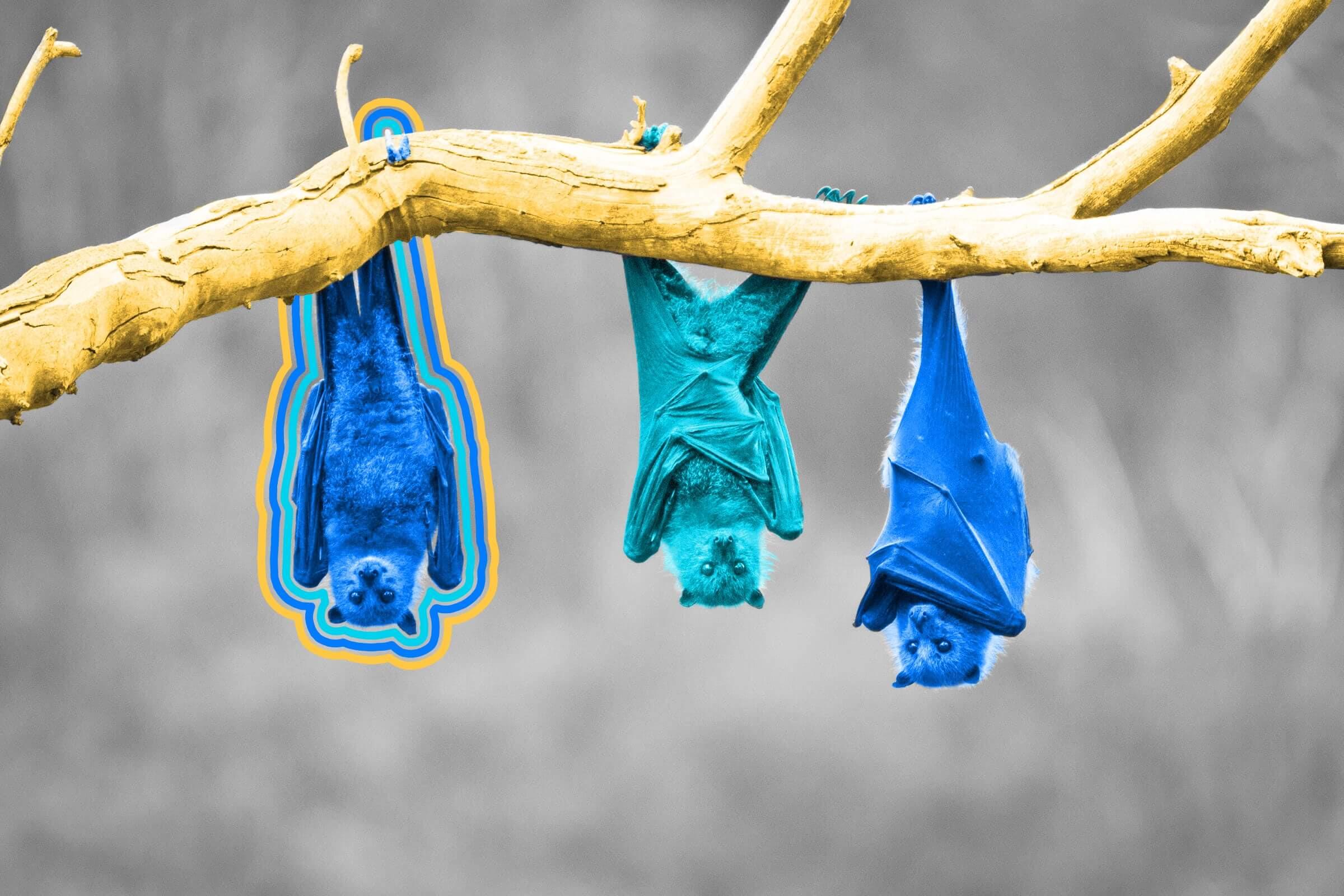
  • Bat species make up 21% of all mammals.

    Earth is home to a staggering number of creatures: By one estimate, more than 8.7 million species of plants and animals live on its lands and in its waters. Mammals, however, make up a small fraction of that number — just 6,495 species. If you’re wondering which warm-blooded animals are most numerous, glance to the night sky. That’s where you’ll probably find bats, which account for 21% of all the mammals in the world.

    The bat family boasts amazing diversity. The tiny bumblebee bat (only about an inch big) is the world’s smallest mammal, while the flying fox bat has a 5-foot wingspan. Scientists classify these mostly nocturnal creatures into two categories: microbats and megabats. Microbats are generally smaller, nighttime flyers that rely on echolocation to hunt insects, whereas megabats are often much larger, and some of them hunt in the daytime. Megabats primarily live in the tropics, where they use their larger eyes and better olfactory senses in place of echolocation to locate fruit for their meals.

    Bats have been around for more than 50 million years, which helps explain why they’re such a fine-tuned part of our ecosystem. Nectar-eating bats are master pollinators of more than 500 plant species (including cacao for chocolate and agave for tequila), thanks to their ability to fly and transport pollen further than bees. They’re also nature’s bug zappers, keeping mosquito, moth, and beetle populations in check. The flying insect hunters are so effective — eating half their body weight in bugs each night — that scientists credit them with saving U.S. farmers $1 billion in pesticides and crop damage each year. Bats even help combat deforestation by dropping seeds over barren areas: Bat-dropped seeds can account for up to 95% of regrowth in cleared forests in tropical areas, a huge accomplishment for such small creatures.


    Vampire bats create close friendships.
    Vampire bats are at best feared and at worst maligned as sinister predators, but chiropterologists (scientists who study bats) believe Desmodus rotundus are actually incredibly social animals that survive thanks to their selective, long-term friendships. Vampire bats, which live in Mexico, Central America, and South America, have genetic mutations that separate them from their fruit- and bug-eating brethren, affecting how they taste and digest their food. They only survive on blood (usually from livestock and birds), and consume nearly 1.4 times their body weight per meal to get the nutrients they need. But blood isn’t always readily available, which puts vampire bats at risk of starvation, especially since they must eat every 48 hours or so. Researchers think this could be why these flying mammals have learned to share food with family members, regurgitating the substance in a manner similar to how birds feed their young. But vampire bats will also help roost-mates they have close, nonfamilial relationships with — and those bats remember and return the favor, creating a long-term bond that increases both animals’ odds of survival. Researchers say watching these high-flying friendships develop can help us better understand how other social species (like humans) bond, too.

    Bat species make up 21% of all mammals. Earth is home to a staggering number of creatures: By one estimate, more than 8.7 million species of plants and animals live on its lands and in its waters. Mammals, however, make up a small fraction of that number — just 6,495 species. If you’re wondering which warm-blooded animals are most numerous, glance to the night sky. That’s where you’ll probably find bats, which account for 21% of all the mammals in the world. The bat family boasts amazing diversity. The tiny bumblebee bat (only about an inch big) is the world’s smallest mammal, while the flying fox bat has a 5-foot wingspan. Scientists classify these mostly nocturnal creatures into two categories: microbats and megabats. Microbats are generally smaller, nighttime flyers that rely on echolocation to hunt insects, whereas megabats are often much larger, and some of them hunt in the daytime. Megabats primarily live in the tropics, where they use their larger eyes and better olfactory senses in place of echolocation to locate fruit for their meals. Bats have been around for more than 50 million years, which helps explain why they’re such a fine-tuned part of our ecosystem. Nectar-eating bats are master pollinators of more than 500 plant species (including cacao for chocolate and agave for tequila), thanks to their ability to fly and transport pollen further than bees. They’re also nature’s bug zappers, keeping mosquito, moth, and beetle populations in check. The flying insect hunters are so effective — eating half their body weight in bugs each night — that scientists credit them with saving U.S. farmers $1 billion in pesticides and crop damage each year. Bats even help combat deforestation by dropping seeds over barren areas: Bat-dropped seeds can account for up to 95% of regrowth in cleared forests in tropical areas, a huge accomplishment for such small creatures. Vampire bats create close friendships. Vampire bats are at best feared and at worst maligned as sinister predators, but chiropterologists (scientists who study bats) believe Desmodus rotundus are actually incredibly social animals that survive thanks to their selective, long-term friendships. Vampire bats, which live in Mexico, Central America, and South America, have genetic mutations that separate them from their fruit- and bug-eating brethren, affecting how they taste and digest their food. They only survive on blood (usually from livestock and birds), and consume nearly 1.4 times their body weight per meal to get the nutrients they need. But blood isn’t always readily available, which puts vampire bats at risk of starvation, especially since they must eat every 48 hours or so. Researchers think this could be why these flying mammals have learned to share food with family members, regurgitating the substance in a manner similar to how birds feed their young. But vampire bats will also help roost-mates they have close, nonfamilial relationships with — and those bats remember and return the favor, creating a long-term bond that increases both animals’ odds of survival. Researchers say watching these high-flying friendships develop can help us better understand how other social species (like humans) bond, too.

    0 Σχόλια 0 Μοιράστηκε 6708 Views
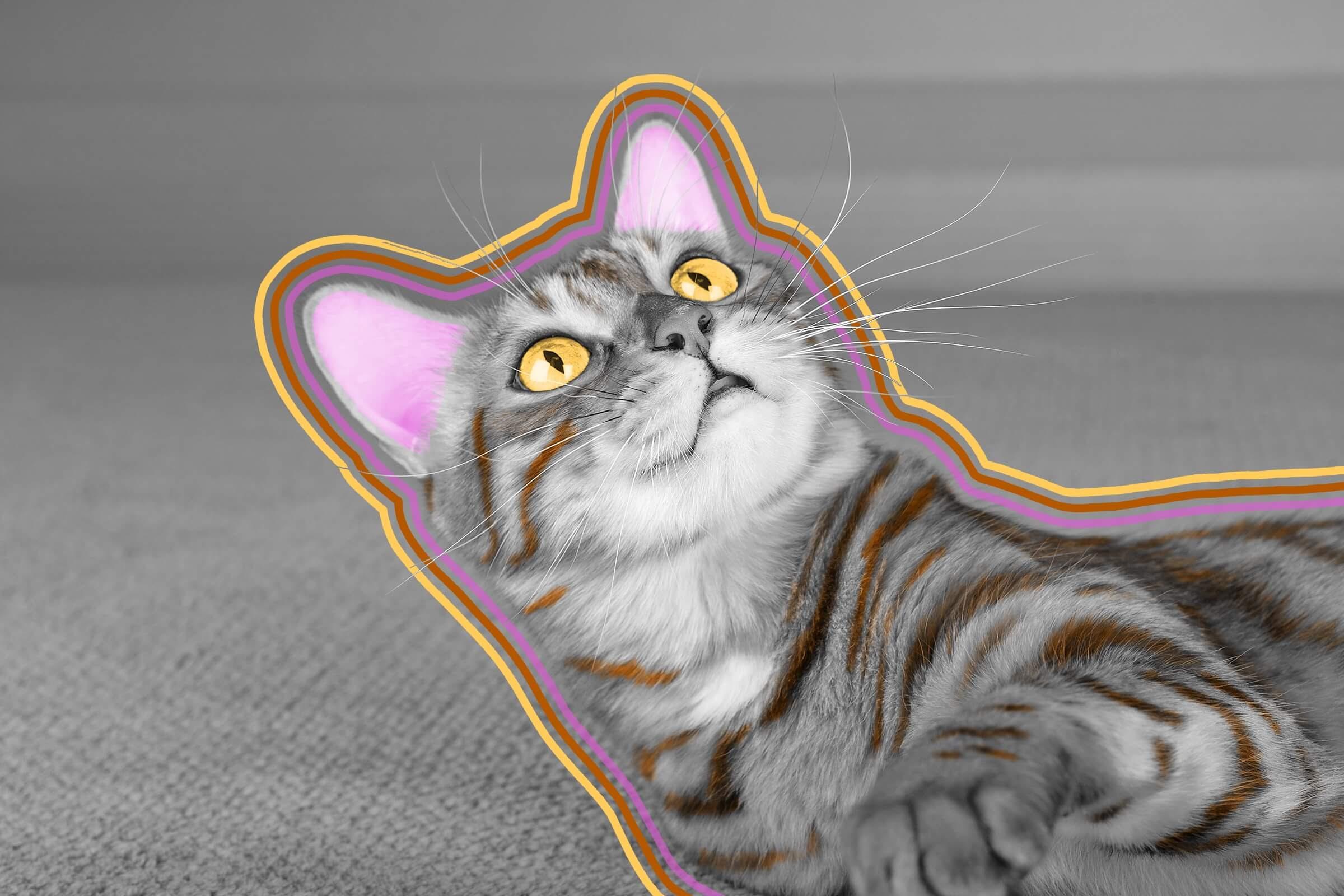
  • What can cats see that humans can't?

    Cats can see UV light, which is invisible to humans.
    Cats can do a lot of things their human friends can’t: They can purr, sleep all day without consequence, and jump up to six times their own height in a single leap. But perhaps most impressive of all is their ability to see ultraviolet light thanks to UV-transparent lenses in their eyes that allow UV light to reach their retinas. This will come as little surprise to anyone who’s ever noticed their cat staring at seemingly nothing for minutes at a time, but it’s a fascinating insight into how our feline friends view the world all the same. In fact, their UV vision actually allows them to see their prey’s urine trail while hunting and distinguish between their prey and a similarly colored background.

    This ability may not help your housecat in any practical ways on a daily basis, as being fed from a can doesn’t require much in the way of hunting, but it’s still a cool evolutionary trick. And cats aren’t the only animals with this ability. Bees, birds, reindeer, and mice have this enhanced vision as well, though for some of them it comes with the trade-off of not being able to see the color red.


    Humans have kept cats as pets for at least 9,500 years.

    When we think of cats in the ancient world, Egypt tends to come to mind first. Egyptians considered felines sacred and some even mummified their pets, but they weren’t the first to hold cats in such high regard. There’s evidence to suggest they were beaten to the punch by at least 4,000 years: A grave in Cyprus dating back some 9,500 years contained the remains of a human and cat alongside decorative objects such as seashells and polished stones. Cats aren’t native to the island, meaning they must have been brought there by humans — perhaps “on a kind of Noah’s ark,” as archaeologist Melinda Zeder told National Geographic, theorizing that a number of non-native animals were transported to Cyprus.
    #Animals #Cats
    What can cats see that humans can't? 🐱 Cats can see UV light, which is invisible to humans. Cats can do a lot of things their human friends can’t: They can purr, sleep all day without consequence, and jump up to six times their own height in a single leap. But perhaps most impressive of all is their ability to see ultraviolet light thanks to UV-transparent lenses in their eyes that allow UV light to reach their retinas. This will come as little surprise to anyone who’s ever noticed their cat staring at seemingly nothing for minutes at a time, but it’s a fascinating insight into how our feline friends view the world all the same. In fact, their UV vision actually allows them to see their prey’s urine trail while hunting and distinguish between their prey and a similarly colored background. This ability may not help your housecat in any practical ways on a daily basis, as being fed from a can doesn’t require much in the way of hunting, but it’s still a cool evolutionary trick. And cats aren’t the only animals with this ability. Bees, birds, reindeer, and mice have this enhanced vision as well, though for some of them it comes with the trade-off of not being able to see the color red. Humans have kept cats as pets for at least 9,500 years. When we think of cats in the ancient world, Egypt tends to come to mind first. Egyptians considered felines sacred and some even mummified their pets, but they weren’t the first to hold cats in such high regard. There’s evidence to suggest they were beaten to the punch by at least 4,000 years: A grave in Cyprus dating back some 9,500 years contained the remains of a human and cat alongside decorative objects such as seashells and polished stones. Cats aren’t native to the island, meaning they must have been brought there by humans — perhaps “on a kind of Noah’s ark,” as archaeologist Melinda Zeder told National Geographic, theorizing that a number of non-native animals were transported to Cyprus. #Animals #Cats
    0 Σχόλια 0 Μοιράστηκε 14725 Views
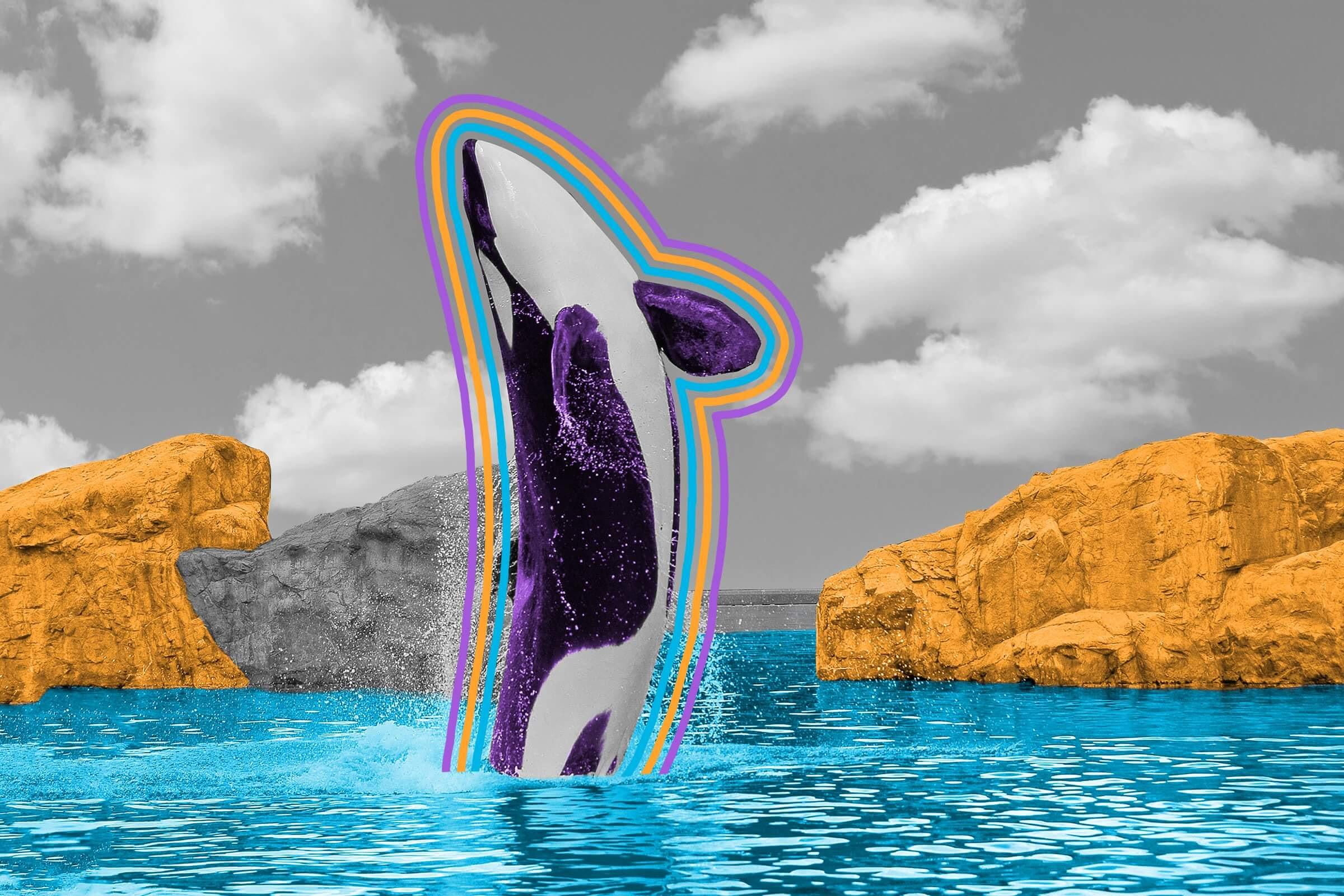
  • Killer whales sometimes hunt moose.
    There’s a reason orcas are better known as killer whales. They’re fierce predators, and they don’t always keep to the water in search of prey — in fact, they’ve even been known to hunt moose. This happens when a member of the largest deer species (yes, moose are deer) wades into the water, either in search of food or to elude land-based predators, and finds itself in the unfortunate position of being near an orca, which will eat pretty much anything. Such occurrences have been known to happen in the Pacific Northwest and Alaska, with one recorded incident resulting in the deaths of two moose.

    Orcas are thought to have received their nickname centuries ago, perhaps from a mistranslation. The theory posits that Basque fisherman observed them killing other whales and referred to them as “whale killers,” which became “killer whales” when translated to English. Their diet depends largely on where they live, but different ecotypes feed on everything from fish and seals to sharks and squid, with the occasional moose thrown in.


    No one knows why orcas keep attacking yachts.

    If you’ve read about killer whales in the last few years, it’s probably because they keep sinking yachts. There have been incidents in Cape Finisterre as well as the Strait of Gibraltar, with at least 500 orcas encountering boats since 2020. (Most of these go no further than the whales merely approaching the vessels, perhaps out of curiosity, but a number of them have resulted in sunken boats.) Scientists remain unsure about the whales’ motivations. Some think they’re merely having fun or even participating in a fad, which is apparently something killer whales do — for instance, one pod spent the summer of 1987 wearing dead salmon on their heads. Others believe it’s because they’ve had negative experiences with boats in the past, including losing members of their species to the vessels. Whatever the case, the creatures don’t seem to have personal beef with the humans onboard; there have been zero recorded cases of an orca killing a human in the wild.
    #Animals #KillerWhales
    Killer whales sometimes hunt moose. There’s a reason orcas are better known as killer whales. They’re fierce predators, and they don’t always keep to the water in search of prey — in fact, they’ve even been known to hunt moose. This happens when a member of the largest deer species (yes, moose are deer) wades into the water, either in search of food or to elude land-based predators, and finds itself in the unfortunate position of being near an orca, which will eat pretty much anything. Such occurrences have been known to happen in the Pacific Northwest and Alaska, with one recorded incident resulting in the deaths of two moose. Orcas are thought to have received their nickname centuries ago, perhaps from a mistranslation. The theory posits that Basque fisherman observed them killing other whales and referred to them as “whale killers,” which became “killer whales” when translated to English. Their diet depends largely on where they live, but different ecotypes feed on everything from fish and seals to sharks and squid, with the occasional moose thrown in. No one knows why orcas keep attacking yachts. If you’ve read about killer whales in the last few years, it’s probably because they keep sinking yachts. There have been incidents in Cape Finisterre as well as the Strait of Gibraltar, with at least 500 orcas encountering boats since 2020. (Most of these go no further than the whales merely approaching the vessels, perhaps out of curiosity, but a number of them have resulted in sunken boats.) Scientists remain unsure about the whales’ motivations. Some think they’re merely having fun or even participating in a fad, which is apparently something killer whales do — for instance, one pod spent the summer of 1987 wearing dead salmon on their heads. Others believe it’s because they’ve had negative experiences with boats in the past, including losing members of their species to the vessels. Whatever the case, the creatures don’t seem to have personal beef with the humans onboard; there have been zero recorded cases of an orca killing a human in the wild. #Animals #KillerWhales
    0 Σχόλια 0 Μοιράστηκε 24966 Views
Προωθημένο

AI-powered Business Social

Join Kiosk Social and get your business seen, build links, grow relationships, and have fun.